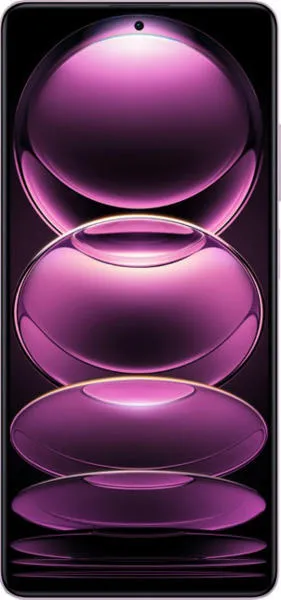
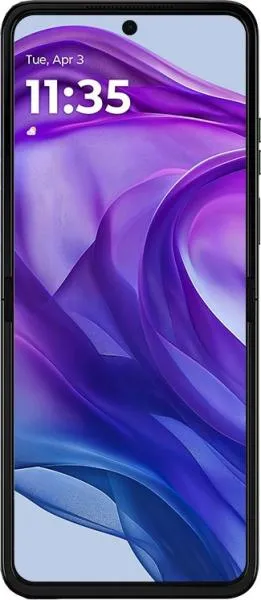
Let's dive into a comparative analysis of the Xiaomi Redmi Note 12 Pro and the Motorola Razr 50 Ultra, dissecting their technical specifications and translating them into real-world implications for you.
1. Specifications Breakdown
| Feature | Xiaomi Redmi Note 12 Pro | Motorola Razr 50 Ultra | Real-World Implications |
|---|---|---|---|
| Design | |||
| Dimensions (mm) | 163 x 76 x 8 | 171.4 x 74 x 7.1 | Razr 50 Ultra is taller and slightly narrower when unfolded, significantly more compact when folded. |
| Weight (g) | 187 | 189 | Negligible weight difference. |
| Foldable | No | Yes | Razr's foldable design offers unique portability and a "wow" factor. |
| Display | |||
| Size (inches) | 6.67 | 6.9 | Razr offers a slightly larger main screen. |
| Resolution (px) | 1080 x 2400 | 1080 x 2640 | Razr has a slightly taller aspect ratio and higher pixel density. |
| Refresh Rate (Hz) | 120 | 165 | Razr's higher refresh rate delivers smoother animations and scrolling. |
| Display Type | AMOLED | Foldable LTPO AMOLED | Razr uses a more advanced LTPO panel for potential power savings. |
| Performance | |||
| Chipset | Mediatek Dimensity 1080 | Snapdragon 8s Gen 3 | Razr boasts a significantly more powerful processor, leading to superior performance. |
| CPU | Octa-core (2.6 GHz) | Octa-core (3.0 GHz) | Razr's CPU offers faster clock speeds and improved architecture for smoother multitasking. |
| RAM (GB) | 6/8/12 | 12 | Razr comes with more RAM, enhancing multitasking and app loading speeds. |
| Camera | |||
| Main Camera (MP) | 50 | 50 | Comparable main camera resolution; real-world performance depends on sensor and software. |
| Selfie Camera (MP) | 16 | 32 | Razr has a much higher resolution selfie camera. |
| Battery Life | |||
| Capacity (mAh) | 5000 | 4000 | Redmi Note 12 Pro has a significantly larger battery, likely resulting in longer battery life. |
2. Key Insights
The Redmi Note 12 Pro offers excellent value with a solid display, good performance for everyday tasks, and impressive battery life. Its strength lies in its affordability and long-lasting power.
The Razr 50 Ultra, on the other hand, is a flagship foldable phone prioritizing cutting-edge technology and design. Its superior processor, high refresh rate display, and innovative form factor cater to users seeking a premium experience. However, its smaller battery capacity might be a trade-off for the slim foldable design.
3. User Profiles and Recommendations
Redmi Note 12 Pro: Ideal for budget-conscious users, students, or anyone prioritizing battery life and solid performance for everyday tasks like social media, browsing, and casual gaming. It's a practical choice for those who value functionality over flashy features.
Razr 50 Ultra: Best suited for tech enthusiasts, early adopters, and those who value a unique, stylish device. The foldable design and powerful hardware make it a great choice for demanding users who prioritize performance and portability. Excellent for content creation and on-the-go productivity.
4. Buying Decision Framework
Questions to Consider:
- Budget: Are you looking for the best value for your money or willing to pay a premium for a flagship experience?
- Form Factor: Do you prioritize portability and a unique design, or prefer a traditional smartphone form factor with a larger battery?
- Performance Needs: Do you need top-tier processing power for demanding tasks or is solid performance for everyday use sufficient?
My Choice
If I were choosing between these two, I'd opt for the Motorola Razr 50 Ultra. While the Redmi Note 12 Pro offers incredible value, I'm drawn to the Razr's innovative foldable design and the significant performance leap provided by the Snapdragon 8s Gen 3. The higher refresh rate display is also a major plus for me, as I appreciate smooth and responsive user interfaces. I'm willing to accept the slightly smaller battery capacity for the unique form factor and powerful hardware. The Razr 50 Ultra, for me, represents the future of mobile technology, offering a blend of style, portability, and top-tier performance that aligns with my personal preferences. While I acknowledge the price premium, I believe the experience justifies the cost.
