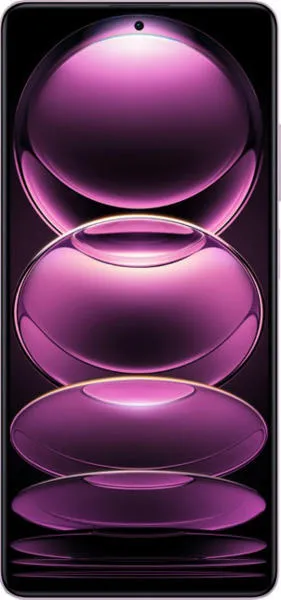
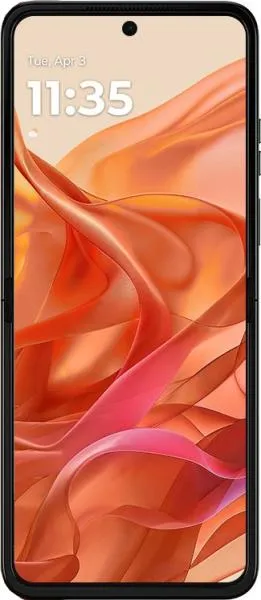
Xiaomi Redmi Note 12 Pro vs. Motorola Razr 50: A Deep Dive
Let's dissect the Xiaomi Redmi Note 12 Pro and the Motorola Razr 50, two compelling mid-range smartphones with distinct personalities. We'll go beyond the spec sheet to understand how these devices perform in the real world.
1. Specifications Breakdown
| Feature | Xiaomi Redmi Note 12 Pro | Motorola Razr 50 | Real-World Implications |
|---|---|---|---|
| Design | |||
| Form Factor | Candybar | Foldable | Razr 50 offers pocket portability and a unique form factor, while the Redmi Note 12 Pro is a traditional slab design. |
| Dimensions (mm) | 163 x 76 x 8 | 171.3 x 74 x 7.3 | Razr 50 is taller when unfolded but significantly more compact when folded. Redmi Note 12 Pro is thinner. |
| Weight (g) | 187 | 188.4 | Negligible weight difference. |
| Display | |||
| Size (inches) | 6.67 | 6.9 | Razr 50 offers a slightly larger main screen. |
| Resolution (px) | 1080 x 2400 | 1080 x 2640 | Both offer sharp FHD+ resolution; Razr 50 is slightly taller. |
| Type | AMOLED | Foldable pOLED | Razr 50's foldable pOLED introduces a crease but enables unique functionalities. |
| Refresh Rate (Hz) | 120 | 120 | Both offer smooth scrolling and animations. |
| Performance | |||
| Chipset | Mediatek Dimensity 1080 | Mediatek Dimensity 7300X | Razr 50 boasts a newer, more power-efficient 4nm chipset, likely resulting in better performance and battery life. |
| CPU | Octa-core (2x2.6 GHz A78 & 6x2.0 GHz A55) | Octa-core (4x2.5 GHz A78 & 4x2.0 GHz A55) | Razr 50's CPU configuration suggests improved multi-core performance. |
| RAM (GB) | 6/8/12 | 8/12 | Both offer ample RAM for multitasking; Razr 50 starts at 8GB. |
| Storage (GB) | 128/256 | 256/512 | Razr 50 offers more base storage. |
| Camera | |||
| Main Camera (MP) | 50 (Sony IMX766) | 50 | Redmi Note 12 Pro's known Sony sensor suggests potentially better image quality. |
| Selfie Camera (MP) | 16 | 32 | Razr 50 has a significantly higher resolution selfie camera. |
| Battery Life | |||
| Capacity (mAh) | 5000 | 4200 | Redmi Note 12 Pro has a larger battery, potentially offering longer usage time. |
2. Key Insights
- Performance: The Razr 50's newer Dimensity 7300X processor built on a 4nm process should deliver a noticeable performance boost over the Redmi Note 12 Pro's Dimensity 1080. This translates to faster app loading, smoother gaming, and better overall responsiveness.
- Form Factor: The Razr 50's foldable design is its defining feature. While the crease might be a concern for some, the compact folded size offers unparalleled portability. The Redmi Note 12 Pro represents a more traditional smartphone experience.
- Camera: While megapixel counts don't tell the whole story, the Redmi Note 12 Pro's use of the Sony IMX766 sensor is a strong indicator of good image quality. The Razr 50's camera system, while seemingly less impressive on paper, could still be quite capable. Real-world testing is needed for a definitive comparison. The Razr's external display allows for unique selfie opportunities with the main camera.
- Battery Life: The Redmi Note 12 Pro's larger 5000mAh battery likely provides longer endurance. However, the Razr 50's more efficient processor could offset this advantage to some degree.
3. User Profiles and Recommendations
- Redmi Note 12 Pro: Best for users seeking a well-rounded, affordable smartphone with a great camera and long battery life. Ideal for multimedia consumption, gaming, and everyday tasks.
- Razr 50: Best for users who prioritize portability and style above all else. The foldable design is a conversation starter and offers a unique user experience. Good for those constantly on the move who value a compact device.
4. Buying Decision Framework
- Is portability your top priority? If yes, the Razr 50's foldable design is hard to beat.
- Are you a power user or gamer? The Razr 50's superior processor will provide a better experience for demanding tasks.
- What's your budget? The Redmi Note 12 Pro generally offers better value in terms of raw specifications for the price.
My Choice:
Personally, I would choose the Motorola Razr 50. While the Redmi Note 12 Pro offers a compelling package of features, the Razr 50's innovative foldable design and more powerful processor are too enticing. I value portability and cutting-edge technology, and the Razr 50 delivers on both fronts. The unique form factor, coupled with the performance boost from the Dimensity 7300X, makes it a more compelling device for my needs, even with the smaller battery. I'm willing to accept the potential trade-offs for the sake of experiencing the future of smartphone design.
