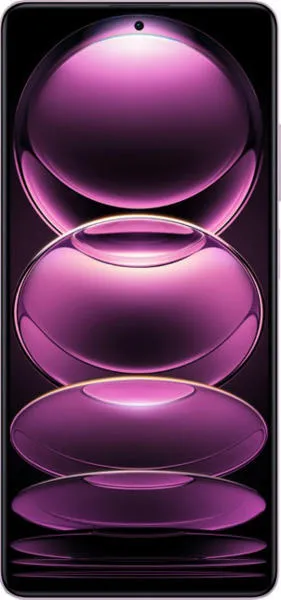
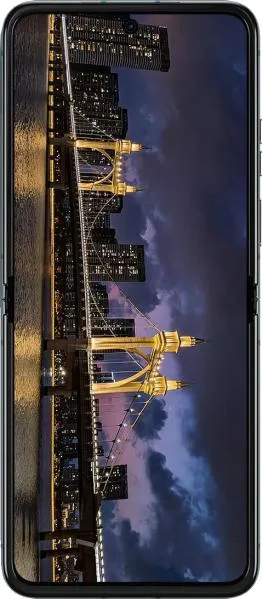
Xiaomi Redmi Note 12 Pro vs. Motorola Razr 40 Ultra: A Deep Dive
The smartphone landscape is brimming with options, and choosing the right device can feel overwhelming. Today, we'll dissect two intriguing contenders: the Xiaomi Redmi Note 12 Pro and the Motorola Razr 40 Ultra. We'll go beyond the spec sheet, translating technical jargon into practical insights to help you decide which phone fits your needs.
1. Specifications Breakdown
| Feature | Xiaomi Redmi Note 12 Pro | Motorola Razr 40 Ultra | Real-World Implications |
|---|---|---|---|
| Design | |||
| Form Factor | Standard | Foldable | Razr offers portability and a unique "wow" factor; Redmi provides a larger canvas. |
| Dimensions (mm) | 163 x 76 x 8 | 170.8 x 74 x 7 | Razr is slightly taller when unfolded, significantly more compact when folded. |
| Weight (g) | 187 | 184.5 | Negligible weight difference. |
| Display | |||
| Display Type | AMOLED, 120Hz | pOLED, 165Hz | Razr's higher refresh rate delivers smoother animations and scrolling. |
| Size (inches) | 6.67 | 6.9 | Razr boasts a slightly larger main screen. |
| Resolution (px) | 1080 x 2400 | 1080 x 2640 | Both offer sharp visuals; Razr is slightly taller. |
| Peak Brightness | 900 nits | 1400 nits | Razr's screen is significantly brighter for better outdoor visibility. |
| Performance | |||
| Chipset | Dimensity 1080 (6nm) | Snapdragon 8+ Gen 1 (4nm) | Razr has a significantly more powerful processor, leading to faster performance. |
| CPU | Octa-core | Octa-core | Razr's CPU architecture is more modern and efficient. |
| GPU | Mali-G68 MC4 | Adreno 730 | Razr offers superior graphics performance for demanding games and applications. |
| RAM | 6/8/12GB | 8/12GB | Both offer ample RAM for multitasking; Razr's configurations start higher. |
| Camera | |||
| Main Camera | 50MP, Sony IMX766 | 12MP | Redmi boasts higher resolution; real-world image quality depends on processing. |
| Selfie Camera | 16MP | 32MP | Razr has a much higher resolution selfie camera. |
| Battery Life | |||
| Capacity (mAh) | 5000 | 3800 | Redmi offers significantly larger battery capacity, potentially longer battery life. |
2. Key Insights
- Performance: The Razr 40 Ultra, with its Snapdragon 8+ Gen 1, significantly outperforms the Redmi Note 12 Pro in processing power and graphics capabilities. This translates to smoother gameplay, faster app loading, and a more responsive overall experience.
- Display: While both phones have excellent displays, the Razr's 165Hz refresh rate and higher peak brightness provide a noticeable advantage in fluidity and outdoor visibility. The foldable design is a key differentiator, offering unique portability.
- Camera: The Redmi Note 12 Pro boasts a higher resolution main sensor, but megapixels don't tell the whole story. Image processing plays a crucial role, and real-world performance needs further testing. The Razr's higher-resolution selfie camera caters to the selfie-centric user.
- Battery Life: The Redmi Note 12 Pro's larger battery likely translates to longer usage time. However, the Razr's more efficient processor might offset this difference somewhat. Real-world battery life depends heavily on usage patterns. The Razr has a smaller battery, potentially impacted by powering the external display.
3. User Profiles and Recommendations
- Redmi Note 12 Pro: Best suited for users seeking a solid all-around phone with a focus on battery life and affordability. It's a great choice for media consumption, everyday tasks, and casual gaming.
- Razr 40 Ultra: Ideal for users who prioritize cutting-edge technology, a unique design, and top-tier performance. The foldable form factor is a major draw for portability and style. The external display enables unique interactions.
4. Buying Decision Framework
- Is a foldable design a priority? If yes, the Razr is the clear choice. If not, consider other factors.
- What's your budget? The Razr is generally more expensive. If price is a major concern, the Redmi offers excellent value.
- What are your primary use cases? For demanding tasks and gaming, the Razr's superior performance shines. For extended battery life and media consumption, the Redmi is a strong contender.
My Choice: Motorola Razr 40 Ultra
While the Redmi Note 12 Pro is a compelling device offering excellent value, I would choose the Motorola Razr 40 Ultra. The innovative foldable design, coupled with the blazing-fast performance of the Snapdragon 8+ Gen 1 and the stunning external display, truly sets it apart. I value having the latest technology and appreciate the unique form factor. The slightly smaller battery is a trade-off I'm willing to make for the significant gains in performance, portability, and overall user experience. The Razr 40 Ultra feels like a glimpse into the future of smartphones, and I'm excited to be a part of that journey.
