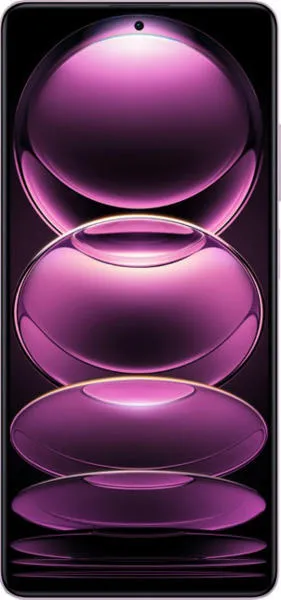
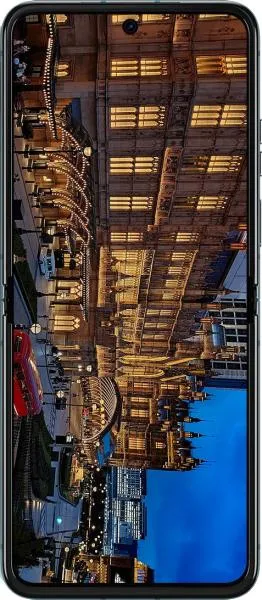
Xiaomi Redmi Note 12 Pro vs. Motorola Razr 40: A Deep Dive for the Discerning User
The mid-range smartphone market is fiercely competitive, with devices vying for your attention with compelling features and attractive price points. Today, we dissect two contenders: the Xiaomi Redmi Note 12 Pro and the Motorola Razr 40. We'll go beyond the spec sheet, translating technical jargon into practical insights to help you decide which phone best fits your needs.
1. Specifications Breakdown
| Feature | Xiaomi Redmi Note 12 Pro | Motorola Razr 40 | Real-World Implications |
|---|---|---|---|
| Design | |||
| Dimensions (mm) | 163 x 76 x 8 | 170.8 x 74 x 7.4 | Razr 40 is significantly more compact when folded, enhancing portability. |
| Weight (g) | 187 | 188.6 | Negligible weight difference; both feel comfortable in hand. Razr 40's foldability is key here. |
| Foldable | No | Yes | Razr 40's foldable design offers unique portability and a smaller footprint when closed. |
| Display | |||
| Size (inches) | 6.67 | 6.9 | Razr 40 boasts a slightly larger main screen. |
| Resolution (px) | 1080 x 2400 | 1080 x 2640 | Both offer sharp visuals; Razr 40 is slightly taller due to aspect ratio. |
| Refresh Rate (Hz) | 120 | 144 | Razr 40's higher refresh rate results in smoother scrolling and animations. |
| Panel Type | AMOLED | pOLED | Expect vibrant colors and deep blacks from both. pOLED potentially offers power efficiency benefits. |
| Performance | |||
| Chipset | Dimensity 1080 (6nm) | Snapdragon 7 Gen 1 (4nm) | Snapdragon 7 Gen 1 generally offers better performance and power efficiency. |
| CPU | Octa-core | Octa-core | Both have capable CPUs, but architectural differences favor the Snapdragon for demanding tasks. |
| RAM (GB) | 6/8/12 | 8 | More RAM options on the Redmi Note 12 Pro cater to varying needs and budgets. |
| Camera | |||
| Main Camera (MP) | 50 | 64 | Higher resolution on Razr 40 suggests potentially more detailed photos. |
| Selfie Camera (MP) | 16 | 32 | Razr 40's higher resolution selfie camera caters to video calls and self-portraits. |
| Battery Life | |||
| Capacity (mAh) | 5000 | 4200 | Redmi Note 12 Pro has a significantly larger battery, likely translating to longer usage time. |
2. Key Insights
The Redmi Note 12 Pro focuses on delivering a well-rounded experience with a strong emphasis on battery life. Its large battery, coupled with a power-efficient AMOLED display, should easily last a full day of heavy usage. The Dimensity 1080 offers respectable performance for everyday tasks, gaming, and content consumption.
The Motorola Razr 40, on the other hand, prioritizes innovation and portability with its foldable design. The sleek form factor allows for pocket-friendly convenience without sacrificing screen real estate. The Snapdragon 7 Gen 1 delivers a performance boost over the Redmi, and the higher refresh rate display enhances the user experience. However, the smaller battery capacity might be a concern for power users.
3. User Profiles and Recommendations
Redmi Note 12 Pro: Ideal for users who prioritize battery life, value a large screen for media consumption, and seek a reliable, budget-friendly device. Students, professionals, and anyone who spends extended periods away from a charger would appreciate its endurance.
Motorola Razr 40: Perfect for trendsetters and users who value portability and style above all else. The compact folded size is a game-changer for those constantly on the move. The powerful chipset and smooth display make it a capable multimedia device, but battery life might be a trade-off.
4. Buying Decision Framework
- Is pocketability a top priority? If so, the Razr 40's foldable design is unmatched.
- How important is all-day battery life? The Redmi Note 12 Pro's larger battery provides a clear advantage.
- Are you willing to pay a premium for a foldable phone? The Razr 40 typically commands a higher price.
My Choice: The Redmi Note 12 Pro
While the Razr 40's foldable design is undeniably cool, as a power user, the Redmi Note 12 Pro's superior battery life is a deciding factor for me. I prioritize a phone that can keep up with my demanding workflow and extensive media consumption without constantly searching for a charger. The Redmi's larger display is also better suited to my productivity needs. While I appreciate the Razr's innovation, the combination of performance, battery life, and a larger screen in the Redmi Note 12 Pro aligns more closely with my personal requirements and usage patterns. The price difference also makes the Redmi Note 12 Pro a more compelling value proposition in my view.
