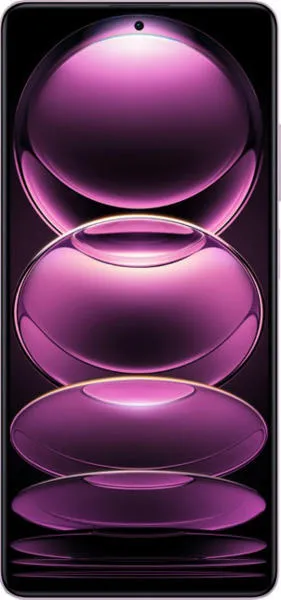
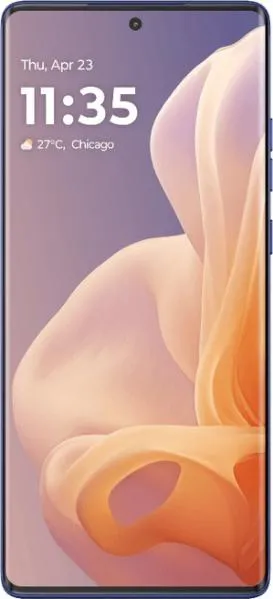
Xiaomi Redmi Note 12 Pro vs. Motorola Moto G85: A Comparative Analysis
Let's dive into a detailed comparison of the Xiaomi Redmi Note 12 Pro and the Motorola Moto G85, dissecting their specifications and uncovering what they truly offer users in the real world.
1. Specifications Breakdown
| Feature | Xiaomi Redmi Note 12 Pro | Motorola Moto G85 | Real-World Implications |
|---|---|---|---|
| Design | |||
| Dimensions (mm) | 163 x 76 x 8 | 161.9 x 73.1 x 7.6 | Redmi slightly taller and wider; both slim and pocketable. |
| Weight (g) | 187 | 171 | Moto G85 noticeably lighter for comfortable one-handed use. |
| Fingerprint Sensor | Side-mounted | Under-display | Preference-based; under-display feels more modern, side offers quicker unlock for some. |
| Display | |||
| Type | AMOLED | P-OLED | Both offer vibrant colors and deep blacks; AMOLED generally considered superior in terms of brightness and clarity |
| Size (inches) | 6.67 | 6.67 | Identical screen real estate. |
| Resolution | 1080 x 2400 | 1080 x 2400 | Same sharpness; crisp visuals for both. |
| Refresh Rate (Hz) | 120 | 120 | Smooth scrolling and animations on both. |
| HDR | Dolby Vision, HDR10+ | None | Redmi offers significantly better HDR video playback quality. |
| Peak Brightness (nits) | 900 (HBM) | 1600 (peak) | Moto G85 potentially brighter in direct sunlight; Redmi has 900 nits at High Brightness Mode |
| Performance | |||
| Chipset | Dimensity 1080 (6nm) | Snapdragon 6s Gen 3 (6nm) | Comparable performance; Snapdragon potentially slightly more efficient |
| CPU | Octa-core (2x2.6 GHz A78 & 6x2.0 GHz A55) | Octa-core (2x2.3 GHz A78 & 6x2.0 GHz A55) | Negligible real-world difference in CPU tasks for average users. |
| GPU | Mali-G68 MC4 | Adreno 619 | Comparable GPU performance; Adreno 619 might offer a bit better gaming performance |
| RAM | 6/8/12GB | 8/12GB | Both offer ample RAM for multitasking; 12GB provides future-proofing. |
| Camera | |||
| Main Camera | 50MP (Sony IMX766) | 50MP (Sony LYT-600) | Both have high-resolution sensors; image quality depends on processing. |
| Ultrawide | 8MP | 8MP | Similar ultrawide capabilities. |
| Macro | 2MP | None | Redmi has a dedicated macro lens, but 2MP resolution is limited. |
| Selfie | 16MP | 32MP | Moto G85 boasts a higher resolution selfie camera. |
| Video | 4K@30fps, 1080p@120fps | 1080p@60fps | Redmi supports higher resolution and frame rate video recording. |
| DxOMark Score | 102 | 88 | Redmi has been tested by DxOMark to have a significantly better camera. |
| Battery Life | |||
| Capacity (mAh) | 5000 | 5000 | Identical battery capacities; actual battery life varies with usage. |
2. Key Insights
- Display: While both phones have 120Hz AMOLED displays, the Redmi Note 12 Pro's support for Dolby Vision and HDR10+ makes a significant difference in video playback quality.
- Performance: Both chipsets offer similar performance for everyday tasks. Gaming performance might be slightly better on the Moto G85. RAM configurations are generous on both devices.
- Camera: While megapixel counts are similar, the actual image quality depends heavily on software processing. Redmi's IMX766 sensor is generally well-regarded. The Moto G85 has a higher resolution selfie camera. Video recording capabilities are more robust on the Redmi.
- Software: The Moto G85 ships with a newer version of Android (14), which might mean longer software support compared to the Redmi Note 12 Pro (Android 12).
3. User Profiles and Recommendations
- Redmi Note 12 Pro: Best for users who prioritize display quality for media consumption, versatile camera features (including 4K video recording), and a slightly more affordable price point.
- Moto G85: Ideal for users who prefer a clean Android experience with potentially longer software updates, a lighter phone, a higher-resolution selfie camera, and potentially a bit better gaming performance.
4. Buying Decision Framework
- Is HDR video playback a priority? If yes, the Redmi Note 12 Pro is the clear winner.
- How important is software update longevity? If this is crucial, the Moto G85's Android 14 gives it an edge.
- What's your budget? Compare prices for similar storage configurations to determine the best value.
My Choice: Xiaomi Redmi Note 12 Pro
While the Motorola Moto G85 has its merits (newer Android version, lighter weight), the Xiaomi Redmi Note 12 Pro edges out as my preferred choice due to its superior display quality with HDR support, more versatile camera system with 4K video recording and optical image stabilization, and a potentially more affordable price. The significantly higher DxOMark score also gives me more confidence in the Redmi's camera performance. While software updates are important, the Redmi Note 12 Pro's current feature set, particularly the display and camera, outweighs the benefit of a slightly newer Android version for my personal needs.
