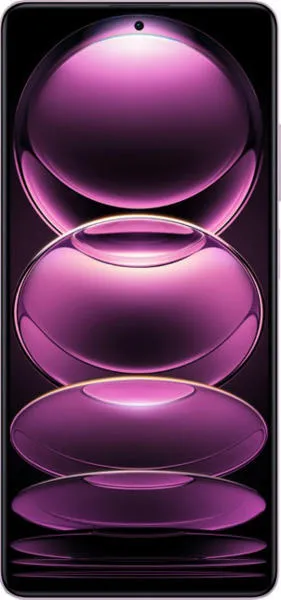
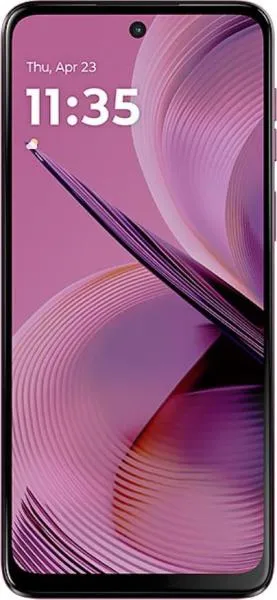
Xiaomi Redmi Note 12 Pro vs. Motorola Moto G55: A Detailed Comparison
Let's dive into a head-to-head comparison of the Xiaomi Redmi Note 12 Pro and the Motorola Moto G55, dissecting their specs and uncovering what they mean for you, the user.
1. Specifications Breakdown
| Feature | Xiaomi Redmi Note 12 Pro | Motorola Moto G55 | Real-World Implications |
|---|---|---|---|
| Design | |||
| Dimensions (mm) | 163 x 76 x 8 | 161.6 x 73.8 x 8.1 | Redmi is slightly taller and wider; Moto G55 is negligibly thicker. Minimal difference in hand feel. |
| Weight (g) | 187 | 179 | Redmi is slightly heavier but likely imperceptible in daily use. |
| Display | |||
| Type | AMOLED | IPS LCD | Redmi offers richer blacks, vibrant colors, and better outdoor visibility. |
| Size (inches) | 6.67 | 6.49 | Redmi has a slightly larger screen for more immersive content consumption. |
| Resolution | 1080 x 2400 | 1080 x 2400 | Both offer sharp visuals suitable for everyday use. |
| Refresh Rate (Hz) | 120 | 120 | Both provide smooth scrolling and animations for a fluid user experience. |
| HDR | HDR10+, Dolby Vision | None | Redmi supports HDR for enhanced video streaming quality with compatible content. |
| Performance | |||
| Chipset | Dimensity 1080 (6nm) | Dimensity 7025 (6nm) | Redmi's Dimensity 1080 likely offers a slight edge in raw processing power. |
| CPU | Octa-core (2x2.6 GHz A78 & 6x2.0 GHz A55) | Octa-core (2x2.5 GHz A78 & 6x2.0 GHz A55) | Comparable CPU configurations, though Redmi might have slightly higher clock speeds on performance cores. |
| GPU | Mali-G68 MC4 | IMG BXM-8-256 | Redmi's GPU likely provides better gaming performance. |
| RAM (GB) | 6, 8, 12 | 8 | Redmi offers more RAM options for smoother multitasking, particularly the 12GB variant. |
| Camera | |||
| Main Camera (MP) | 50 (Sony IMX766) | 50 | Both have high-resolution main sensors, but Redmi's IMX766 sensor generally produces superior image quality. |
| Ultrawide (MP) | 8 | 8 | Comparable ultrawide cameras. |
| Macro (MP) | 2 | N/A | Redmi has a dedicated macro lens for close-up shots. |
| Video | 4K@30fps | 1080p@60fps | Redmi offers higher resolution video recording. |
| Battery Life | |||
| Capacity (mAh) | 5000 | 5000 | Both have large batteries promising all-day endurance. Real-world usage will vary. |
2. Key Insights
- Display: The Redmi Note 12 Pro's AMOLED display is a clear winner, delivering vibrant visuals and deeper blacks compared to the Moto G55's IPS LCD. This difference is noticeable in everyday use, especially when watching videos or playing games.
- Performance: While both phones use a 6nm Dimensity chipset, the 1080 in the Redmi is likely more powerful, translating to smoother gaming and faster app loading. Coupled with higher RAM options, the Redmi is better equipped for demanding tasks and multitasking.
- Camera: The Redmi pulls ahead again with its superior main camera sensor (Sony IMX766), likely resulting in better low-light performance and overall image quality. The dedicated macro lens offers additional versatility. The Moto G55's camera system, while capable, lacks the same level of hardware prowess.
- Software and Updates: The Moto G55 ships with Android 14, offering a more modern software experience and potentially longer software support compared to the Redmi's Android 12. However, Xiaomi's MIUI offers a feature-rich, albeit sometimes polarizing, user interface.
3. User Profiles and Recommendations
- Redmi Note 12 Pro: Best for users who prioritize multimedia consumption, mobile gaming, and photography. The AMOLED display, powerful processor, and capable camera system make it a well-rounded entertainment device.
- Moto G55: Suitable for users who prefer a clean Android experience with potentially longer software updates. It's a solid choice for everyday tasks, but less ideal for demanding gaming or photography enthusiasts.
4. Buying Decision Framework
- Is display quality a top priority? If yes, the Redmi's AMOLED screen is the clear winner.
- Do you need peak performance for gaming or heavy multitasking? If so, the Redmi's Dimensity 1080 and higher RAM options are advantageous.
- How important is camera quality? The Redmi's Sony IMX766 sensor and dedicated macro lens provide a significant edge.
My Choice: Xiaomi Redmi Note 12 Pro
If I were choosing between these two, I'd go for the Redmi Note 12 Pro. While the Moto G55 offers a clean Android experience and potentially longer software updates, the Redmi's superior display, performance, and camera system are more compelling to me. The difference in display technology alone makes a significant impact on daily use, and the added performance headroom ensures a smoother experience over the long term. As someone who values visual quality and enjoys mobile gaming, these factors outweigh the benefits of the Moto G55. The slightly higher price of the Redmi Note 12 Pro is justified by the noticeable upgrade in key areas.
