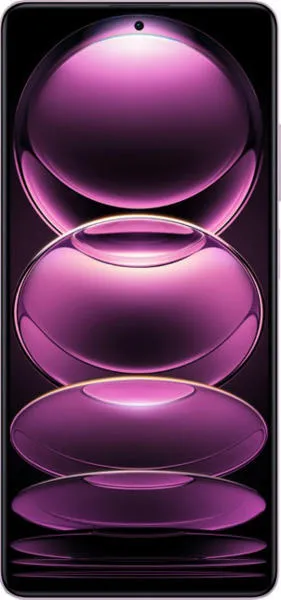
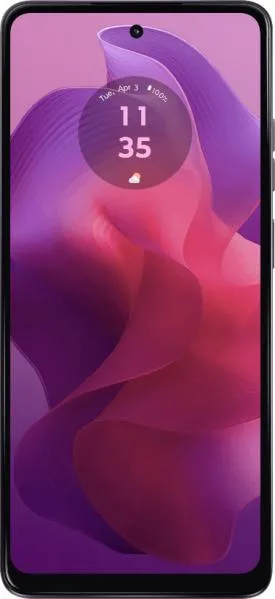
Xiaomi Redmi Note 12 Pro vs. Motorola Moto G24: A Comparative Analysis
Let's dive deep into a comparative analysis of the Xiaomi Redmi Note 12 Pro and the Motorola Moto G24, dissecting their specifications and uncovering what they truly offer in terms of real-world performance.
1. Specifications Breakdown
| Feature | Xiaomi Redmi Note 12 Pro | Motorola Moto G24 | Real-World Implications |
|---|---|---|---|
| Design | |||
| Dimensions (mm) | 163 x 76 x 8 | 163.5 x 74.5 x 8 | Redmi Note 12 Pro is slightly narrower. Negligible difference in overall hand feel. |
| Weight (g) | 187 | 181 | Both phones are lightweight, but the Moto G24 is slightly lighter. |
| Display | |||
| Type | AMOLED | IPS LCD | Redmi's AMOLED offers richer colors, deeper blacks, and better power efficiency. |
| Size (inches) | 6.67 | 6.56 | Negligible difference in screen real estate. |
| Resolution | 1080 x 2400 | 720 x 1612 | Redmi Note 12 Pro boasts significantly sharper visuals due to higher resolution. |
| Refresh Rate (Hz) | 120 | 90 | Smoother scrolling and animations on the Redmi Note 12 Pro, especially noticeable in gaming. |
| Performance | |||
| Chipset | Dimensity 1080 (6nm) | Helio G85 (12nm) | Redmi Note 12 Pro's 6nm chipset offers superior performance and power efficiency. |
| CPU | Octa-core (2x2.6 GHz A78 & 6x2.0 GHz A55) | Octa-core (2x2.0 GHz A75 & 6x1.7 GHz A55) | Redmi Note 12 Pro has faster clock speeds, leading to noticeably better performance in demanding tasks. |
| GPU | Mali-G68 MC4 | Mali-G52 MC2 | Redmi Note 12 Pro provides a significantly better gaming and graphics-intensive experience. |
| RAM | 6/8/12GB | 4/8GB | More RAM options available on Redmi, enabling better multitasking. |
| Camera | |||
| Main Camera (MP) | 50 (Sony IMX766) | 50 | Both have 50MP main sensors, but the Redmi uses a superior Sony sensor, potentially offering better image quality. |
| Video Recording | 4K@30fps | 1080p@30fps | Redmi Note 12 Pro allows for higher resolution video recording. |
| Battery Life | |||
| Capacity (mAh) | 5000 | 5000 | Same battery capacity, but Redmi's more efficient chipset likely translates to longer battery life. |
2. Key Insights
The Redmi Note 12 Pro clearly outperforms the Moto G24 in almost every aspect. Its superior AMOLED display, faster processor, better GPU, and higher resolution camera sensor make it a significantly more powerful and feature-rich device. The Moto G24's main advantages lie in its slightly lighter weight and more affordable price. However, the performance gap is substantial. The Redmi Note 12 Pro delivers a premium user experience with its smooth 120Hz display, responsive performance, and capable camera system. The Moto G24, while functional, provides a more basic experience, particularly noticeable in its lower resolution display and less powerful processor.
3. User Profiles and Recommendations
Redmi Note 12 Pro: Ideal for users who prioritize performance, a vibrant display, mobile gaming, and high-quality photography/videography. Power users, content creators, and mobile gamers will appreciate its capabilities.
Moto G24: Best suited for budget-conscious users who primarily use their phones for basic tasks like calling, texting, web browsing, and social media. It’s a decent option for light users who prioritize affordability over cutting-edge performance.
4. Buying Decision Framework
- What is your budget? If price is a major constraint, the Moto G24 is the more affordable option.
- What are your primary use cases? For demanding tasks and multimedia consumption, the Redmi Note 12 Pro is a far better choice.
- How important is display quality and performance? If you value a vibrant, sharp display and smooth performance, the Redmi Note 12 Pro is the clear winner.
My Choice: Xiaomi Redmi Note 12 Pro
If I were choosing between these two phones, I'd go with the Xiaomi Redmi Note 12 Pro. The superior AMOLED display, the significantly more powerful Dimensity 1080 processor (crucial for long-term performance and a lag-free experience), the higher resolution, and the better camera system make it a far more compelling device. While the Moto G24 offers a lower price point, the compromises in performance and display quality are too significant for me. I value a smooth, responsive user experience and a high-quality display, and the Redmi Note 12 Pro delivers on both fronts. The price difference is justified by the substantial upgrade in overall quality and longevity. As a tech journalist with an engineering background, I appreciate the tangible benefits the Redmi Note 12 Pro offers in terms of daily usability and future-proofing.
