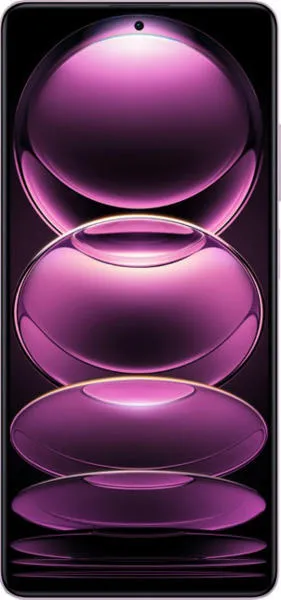
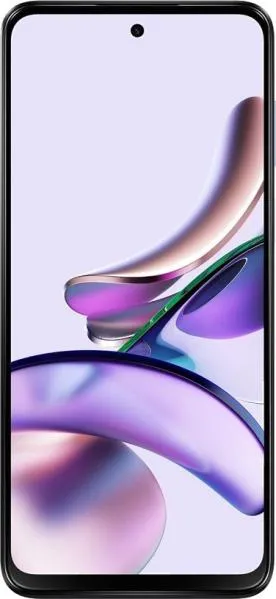
Xiaomi Redmi Note 12 Pro vs. Motorola Moto G23: A Deep Dive
Let's dissect the Xiaomi Redmi Note 12 Pro and the Motorola Moto G23, two mid-range contenders vying for your attention. We'll go beyond the spec sheets to uncover what these numbers really mean for your daily life.
1. Specifications Breakdown
| Feature | Xiaomi Redmi Note 12 Pro | Motorola Moto G23 | Real-World Implications |
|---|---|---|---|
| Design | |||
| Dimensions (mm) | 163 x 76 x 8 | 162.7 x 74.7 x 8.2 | Redmi Note 12 Pro is slightly larger and thinner. Negligible difference in hand feel for most users. |
| Weight (g) | 187 | 184.3 | Virtually identical weight; both feel comfortable in hand. |
| Display | |||
| Type | AMOLED | IPS LCD | Redmi's AMOLED offers richer blacks, vibrant colors, and better power efficiency in dark mode. |
| Size (inches) | 6.67 | 6.5 | Redmi provides a slightly larger screen for more immersive content consumption. |
| Resolution | 1080 x 2400 | 720 x 1600 | Sharper visuals and text on the Redmi due to significantly higher pixel density (395 vs. 270 ppi). |
| Refresh Rate (Hz) | 120 | 90 | Smoother scrolling and animations on the Redmi, especially noticeable in games and UI navigation. |
| Performance | |||
| Chipset | Dimensity 1080 (6nm) | Helio G85 (12nm) | Redmi boasts a more powerful and efficient processor, leading to faster app loading and multitasking. |
| CPU | Octa-core (2x2.6 GHz A78 & 6x2.0 GHz A55) | Octa-core (2x2.0 GHz A75 & 6x1.8 GHz A55) | Redmi's CPU architecture provides a performance edge in demanding tasks. |
| GPU | Mali-G68 MC4 | Mali-G52 MC2 | Redmi's GPU handles graphics-intensive applications and games more smoothly. |
| RAM (GB) | 6/8/12 | 4/8 | More RAM options on the Redmi, allowing for smoother multitasking with multiple open apps. |
| Camera | |||
| Main Camera (MP) | 50 (Sony IMX766) | 50 | Redmi uses a larger Sony sensor known for excellent image quality, potentially better low-light performance. |
| Video | 4K@30fps | 1080p@30fps | Redmi offers higher resolution video recording capabilities. |
| Battery Life | |||
| Capacity (mAh) | 5000 | 5000 | Similar battery capacity; real-world battery life will depend on usage patterns and software optimization. |
2. Key Insights
- Display Dominance: The Redmi Note 12 Pro's AMOLED display with a 120Hz refresh rate is a clear winner. The higher resolution delivers crisp visuals, while the faster refresh rate ensures a buttery smooth user experience. The Moto G23's IPS LCD is respectable but simply can't match the vibrancy and responsiveness of the Redmi.
- Performance Prowess: The Dimensity 1080 chipset in the Redmi significantly outperforms the Helio G85 in the Moto G23. This translates to faster app loading, smoother multitasking, and a better gaming experience.
- Camera Considerations: While both phones feature a 50MP main camera, the Redmi's utilization of the Sony IMX766 sensor likely results in superior image quality, particularly in challenging lighting conditions. The Redmi's ability to record 4K video also provides greater flexibility for content creators.
- Battery Life Balancing Act: Both phones have 5000mAh batteries. However, the Redmi's more efficient AMOLED display and 6nm processor might give it an edge in real-world usage.
3. User Profiles and Recommendations
- Redmi Note 12 Pro: Ideal for users who prioritize a premium display, smooth performance, and capable cameras. Gamers, content consumers, and multitaskers will appreciate its power and responsiveness.
- Moto G23: Suited for budget-conscious users who primarily use their phones for basic tasks like calling, texting, browsing, and social media. It's a reliable option for those who don't demand top-tier performance or cutting-edge features.
4. Buying Decision Framework
- What is your budget? The Moto G23 generally comes at a lower price point.
- What are your primary phone usage patterns? For demanding tasks, the Redmi is the clear choice. For basic usage, the Moto G23 is sufficient.
- How important is display quality to you? If a vibrant and responsive screen is a priority, the Redmi's AMOLED display is a must-have.
My Choice: Xiaomi Redmi Note 12 Pro
If I were choosing between these two, I'd go with the Xiaomi Redmi Note 12 Pro. As a tech enthusiast and someone who appreciates a fluid user experience, the superior display, significantly better performance, and potentially improved camera of the Redmi are compelling. While the Moto G23 offers good value for its price, the Redmi's advantages in key areas like display and performance are worth the potential price difference for me. The smoother refresh rate, sharper resolution, and faster processor would make a noticeable difference in my daily usage. I often multitask, consume media, and occasionally game on my phone, making the Redmi's performance advantage crucial. Finally, while I appreciate good battery life, I prioritize a responsive and enjoyable user experience, and the Redmi delivers on that front.
