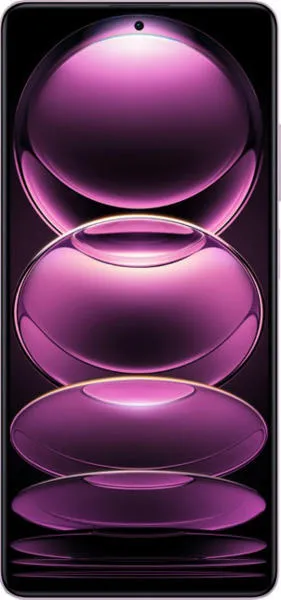
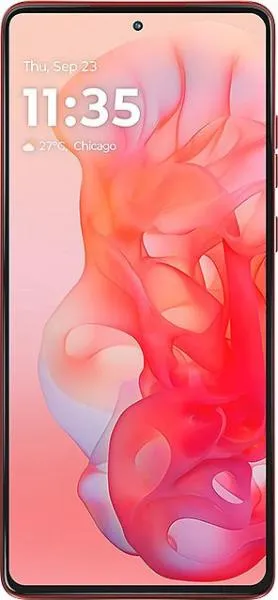
Xiaomi Redmi Note 12 Pro vs. Motorola Moto G Stylus 5G (2024): A Comparative Analysis
Let's dive deep into a head-to-head comparison of the Xiaomi Redmi Note 12 Pro and the Motorola Moto G Stylus 5G (2024). I'll break down the specs, analyze their real-world impact, and help you decide which phone might be your perfect match.
1. Specifications Breakdown
| Feature | Xiaomi Redmi Note 12 Pro | Motorola Moto G Stylus 5G (2024) | Real-World Implications |
|---|---|---|---|
| Design | |||
| Dimensions (mm) | 163 x 76 x 8 | 162.6 x 74.8 x 8.3 | Moto G Stylus slightly smaller, might feel a tad more compact in hand. |
| Weight (g) | 187 | 190 | Negligible weight difference in real-world usage. |
| Build Materials | Glass front/back, plastic frame | Plastic body | Redmi Note 12 Pro feels more premium. Moto G Stylus prioritizes durability over premium aesthetics. |
| Stylus | No | Yes | Stylus offers precise note-taking, sketching, and navigation. A significant differentiator. |
| Display | |||
| Type | AMOLED | pOLED | Both offer vibrant colors and deep blacks. AMOLED generally has slightly better brightness. |
| Size | 6.67" | 6.7" | Virtually identical screen real estate. |
| Resolution | 1080 x 2400 | 1080 x 2400 | Sharp and detailed visuals on both. |
| Refresh Rate | 120Hz | 120Hz | Smooth scrolling and animations on both devices. |
| Peak Brightness | 900 nits | 1200 nits | Moto G Stylus should be more visible in direct sunlight. |
| Performance | |||
| Chipset | Mediatek Dimensity 1080 | Qualcomm Snapdragon 6 Gen 1 | Snapdragon 6 Gen 1 generally offers better performance and efficiency. |
| CPU | Octa-core (2x2.6 GHz A78 & 6x2.0 GHz A55) | Octa-core (4x2.2 GHz A78 & 4x1.8 GHz A55) | Moto G Stylus likely has a performance edge due to newer architecture and higher clock speeds on performance cores. |
| GPU | Mali-G68 MC4 | Adreno 710 | Adreno 710 generally offers a smoother gaming experience. |
| RAM | 6/8/12GB | 8GB | More RAM options on Redmi Note 12 Pro, beneficial for multitasking. |
| Camera | |||
| Main Camera | 50MP Sony IMX766 | 50MP Sony LYT-700C | Both utilize capable Sony sensors. Image quality will depend on software processing. |
| Selfie Camera | 16MP | 32MP | Higher resolution selfie camera on the Moto G Stylus. |
| Video | 4K@30fps | 4K@30fps | Comparable video recording capabilities. |
| Battery Life | |||
| Capacity | 5000mAh | 5000mAh | Similar battery capacities. Real-world battery life will depend on usage patterns and software optimization. |
| OS & Updates | Android 12 | Android 14 (Guaranteed upgrade to 15) | Moto G Stylus ships with a newer OS and has a guaranteed major OS upgrade, promising better longevity and features. |
2. Key Insights
- Performance: The Moto G Stylus 5G (2024), with its newer Snapdragon chipset, likely edges out the Redmi Note 12 Pro in processing power and graphics performance. This translates to smoother gaming, faster app loading, and better overall responsiveness.
- Camera: While both phones boast 50MP main sensors, the Moto G Stylus 5G (2024) has a significant advantage in the selfie department with its 32MP camera. The Redmi Note 12 Pro counters with a dedicated macro lens. Ultimately, real-world camera performance will depend heavily on software processing.
- Stylus: The integrated stylus on the Moto G Stylus is a game-changer for users who value note-taking, drawing, or precise on-screen interactions. This feature clearly differentiates it from the Redmi Note 12 Pro.
- Software & Updates: The Motorola Moto G Stylus 5G (2024)'s commitment to Android 15 and potential future updates makes it a more attractive proposition for long-term use. The Redmi Note 12 Pro, launching with Android 12, might not receive as extensive software support. This could impact feature availability, security updates, and overall device longevity.
3. User Profiles and Recommendations
- Redmi Note 12 Pro: Best for users seeking a stylish design, a vibrant AMOLED display, and solid overall performance at a competitive price point. It's a good all-rounder for everyday tasks, media consumption, and casual gaming.
- Moto G Stylus 5G (2024): Ideal for users who prioritize productivity, note-taking, and creative endeavors. The integrated stylus, coupled with the newer processor and longer software support, make it a compelling choice for students, artists, and professionals who need a versatile device.
4. Buying Decision Framework
- Do you need a stylus? If precise on-screen input is a must-have, the Moto G Stylus is your clear winner.
- How important is long-term software support? If you want a phone that will receive the latest features and security updates for a longer period, the Moto G Stylus 5G (2024), with its guaranteed upgrade to Android 15, is the better choice.
- What's your budget? Compare prices for similar storage configurations to determine the best value for your money.
My Choice: Motorola Moto G Stylus 5G (2024)
While the Redmi Note 12 Pro is a solid device, I'd personally choose the Motorola Moto G Stylus 5G (2024). The deciding factors for me are the integrated stylus, the guaranteed Android 15 upgrade, and the performance advantages of the Snapdragon 6 Gen 1. The stylus opens up a world of productivity and creativity, while the newer OS and chipset ensure the phone remains relevant and performs well for years to come. As a tech journalist, staying current with software is crucial, and the Moto G Stylus provides peace of mind in that regard. While perhaps not as aesthetically pleasing as the Redmi, the practical benefits outweigh the stylistic differences for me.
