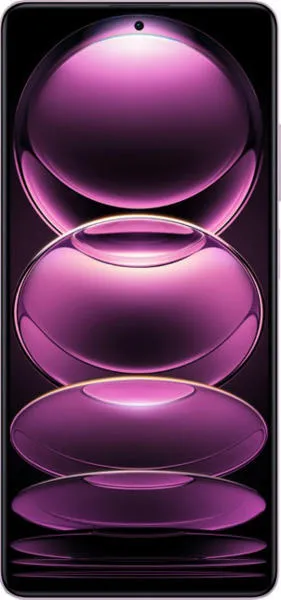
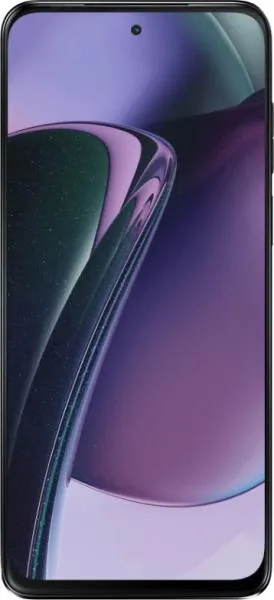
Xiaomi Redmi Note 12 Pro vs. Motorola Moto G Stylus 5G (2023): A Comparative Analysis
Let's dive deep into a comparative analysis of the Xiaomi Redmi Note 12 Pro and the Motorola Moto G Stylus 5G (2023), dissecting their specifications and translating them into real-world implications for you.
1. Specifications Breakdown
| Feature | Xiaomi Redmi Note 12 Pro | Motorola Moto G Stylus 5G (2023) | Real-World Implications |
|---|---|---|---|
| Design | |||
| Dimensions (mm) | 163 x 76 x 8 | 162.8 x 73.8 x 9.2 | Redmi is slightly taller and narrower; Moto is thicker. |
| Weight (g) | 187 | 202 | Redmi feels lighter in hand. |
| Build | Glass front, glass back | Plastic frame | Redmi offers a more premium feel. |
| Stylus | No | Yes | Moto caters to note-takers and artists. |
| Display | |||
| Type | AMOLED | IPS LCD | Redmi delivers richer colors, deeper blacks, and better contrast. |
| Size | 6.67" | 6.6" | Negligible difference in screen real estate. |
| Resolution | 1080 x 2400 | 1080 x 2400 | Identical sharpness. |
| Refresh Rate | 120Hz | 120Hz | Both offer smooth scrolling and animations. |
| HDR | Dolby Vision, HDR10+ | None | Redmi provides a superior HDR experience for compatible content. |
| Performance | |||
| Chipset | Dimensity 1080 (6nm) | Snapdragon 6 Gen 1 (4nm) | Moto boasts a slightly more efficient and newer chip. |
| CPU | Octa-core (2x2.6 GHz A78 & 6x2.0 GHz A55) | Octa-core (4x2.2 GHz A78 & 4x1.8 GHz A55) | Moto has a higher clock speed on performance cores potentially delivering faster peak performance. Redmi has more efficiency cores. |
| GPU | Mali-G68 MC4 | Adreno 710 | Adreno 710 generally provides better gaming performance. |
| RAM | 6/8/12GB | 4/6/8GB | Redmi offers configurations with more RAM for better multitasking. |
| Camera | |||
| Main Camera | 50MP (Sony IMX766) | 50MP (OmniVision OV50A) | Both offer high-resolution main sensors; real-world performance needs further testing. |
| Ultrawide | 8MP | 8MP + Macro | Moto combines ultrawide and macro into one lens. |
| Selfie Camera | 16MP | 16MP | Comparable selfie camera resolution. |
| Battery Life | |||
| Capacity | 5000 mAh | 5000 mAh | Similar battery capacity, but real-world usage will vary. |
2. Key Insights
- Display: The Redmi Note 12 Pro's AMOLED display is a clear winner, offering vibrant colors and deeper blacks compared to the Moto G Stylus 5G's IPS LCD. This difference will be noticeable when watching videos or viewing photos.
- Performance: While the Moto G Stylus 5G boasts a newer and more efficient chipset, the Redmi Note 12 Pro offers configurations with higher RAM, potentially advantageous for heavy multitaskers. Gaming performance likely edges to the Moto thanks to the Adreno GPU.
- Camera: On paper, the main cameras seem comparable, but real-world image quality depends on factors beyond megapixels. The Moto's combined ultrawide/macro lens offers versatility but might compromise individual lens quality.
- Stylus: The Moto G Stylus 5G's integrated stylus is a unique selling point, making it ideal for note-taking, sketching, and precise screen interaction. If you don't need a stylus, it could be considered unnecessary added bulk.
3. User Profiles and Recommendations
- Redmi Note 12 Pro: Best suited for users who prioritize a premium display experience for media consumption and casual gaming. The higher RAM options cater to power users who demand seamless multitasking.
- Moto G Stylus 5G: Ideal for students, artists, or anyone who values the precision and functionality of a stylus. It's a solid choice for those seeking a reliable mid-range device with unique input capabilities.
4. Buying Decision Framework
- Is a stylus essential for your workflow? If yes, the Moto G Stylus 5G is your only option.
- Do you prioritize display quality above all else? The Redmi Note 12 Pro's AMOLED screen offers a significantly better visual experience.
- What's your budget and desired storage capacity? Compare prices for comparable RAM and storage configurations before making a final decision.
My Choice: As Alex Griffin, I would choose the Redmi Note 12 Pro. While the Moto G Stylus 5G's stylus is a compelling feature, I personally prioritize a vibrant, high-quality display for consuming media and enjoying mobile games. The AMOLED screen of the Redmi, combined with its sleek design and powerful hardware (especially the higher RAM configurations), aligns more closely with my preferences. I also tend to prefer the cleaner software experience often found on Xiaomi devices. However, if my daily workflow heavily involved note-taking or digital art creation, the Moto G Stylus would be a strong contender.
