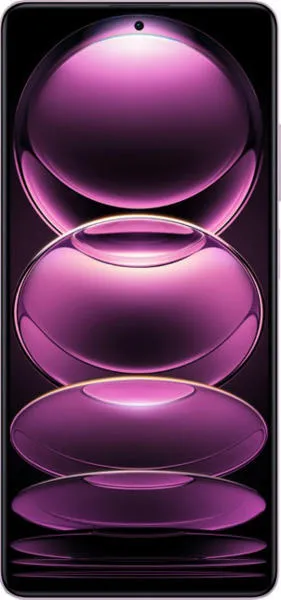
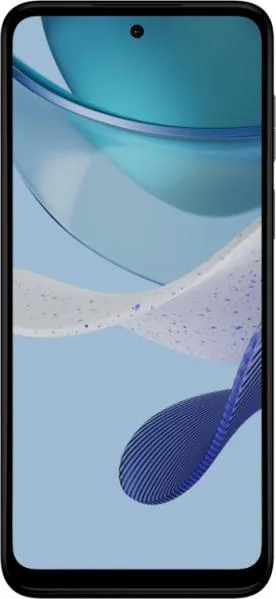
Xiaomi Redmi Note 12 Pro vs. Motorola Moto G (2023): A Deep Dive
Let's dissect these two mid-range contenders and see which one comes out on top.
1. Specifications Breakdown
| Feature | Xiaomi Redmi Note 12 Pro | Motorola Moto G (2023) | Real-World Implications |
|---|---|---|---|
| Design | |||
| Dimensions (mm) | 163 x 76 x 8 | 164 x 75 x 8.4 | Redmi is slightly more compact. Moto G is a bit thicker. Negligible difference in daily handling. |
| Weight (g) | 187 | 189 | Virtually identical; both feel light in hand. |
| Display | |||
| Type | AMOLED | IPS LCD | Redmi offers richer colors, deeper blacks, and better viewing angles. Moto G's LCD is decent but less vibrant. |
| Size | 6.67" | 6.5" | Redmi provides slightly more screen real estate. |
| Resolution | 1080 x 2400 | 720 x 1600 | Redmi boasts significantly sharper visuals (395 ppi vs. 270 ppi). Noticeably crisper text and images on the Redmi. |
| Refresh Rate | 120Hz | 120Hz | Both offer smooth scrolling and animations. |
| HDR | Dolby Vision, HDR10+ | None | Redmi supports HDR for enhanced video content with wider color gamuts and dynamic range in compatible apps. |
| Performance | |||
| Chipset | Dimensity 1080 (6nm) | Snapdragon 480+ 5G (8nm) | Redmi's Dimensity 1080 generally offers better CPU and GPU performance, translating to smoother multitasking and gaming. |
| CPU | Octa-core (2x2.6 GHz A78 & 6x2.0 GHz A55) | Octa-core (2x2.2 GHz Kryo 460 & 6x1.8 GHz Kryo 460) | Redmi has faster prime cores for demanding tasks. |
| RAM | 6/8/12GB | 4GB | Redmi offers more RAM options, enabling better multitasking and app switching. Moto G's 4GB can feel limiting. |
| Camera | |||
| Main Camera | 50MP (Sony IMX766) | 48MP | Redmi's main camera, with the larger Sony sensor, likely captures more detail and better low-light photos. |
| Video | 4K@30fps | 1080p@30fps | Redmi allows for higher resolution video recording. |
| Battery Life | |||
| Capacity | 5000 mAh | 5000 mAh | Similar battery capacities suggest comparable endurance. Real-world battery life depends on usage patterns. |
2. Key Insights
- Display: The Redmi Note 12 Pro's AMOLED display is a clear winner, offering vibrant colors, deep blacks, and higher resolution.
- Performance: The Dimensity 1080 in the Redmi significantly outperforms the Snapdragon 480+ in the Moto G, providing a smoother and more responsive user experience, especially for gaming and multitasking.
- Camera: While detailed camera comparisons require real-world testing, the Redmi's 50MP Sony IMX766 sensor and 4K video recording suggest a superior imaging experience. The inclusion of optical image stabilisation (OIS) on the Redmi Note 12 Pro is a big advantage for sharper images and steadier videos, especially in low light.
- Value: The Moto G (2023) significantly undercuts the Redmi on price. However, the Redmi offers substantially more for the extra cost.
3. User Profiles and Recommendations
- Redmi Note 12 Pro: Ideal for users who prioritize display quality, performance, and camera capabilities. Suitable for mobile gaming, content consumption, and photography enthusiasts.
- Moto G (2023): Best suited for budget-conscious users who primarily use their phones for basic tasks like calling, texting, web browsing, and social media. It's a decent entry-level 5G phone.
4. Buying Decision Framework
- What is your budget? If price is the most critical factor, the Moto G (2023) is more affordable.
- What are your primary phone usage patterns? For demanding tasks, the Redmi Note 12 Pro's superior performance is essential.
- How important is display quality? The Redmi's AMOLED display provides a significantly better visual experience.
My Choice: Xiaomi Redmi Note 12 Pro
If I were choosing between these two, I'd go with the Xiaomi Redmi Note 12 Pro. The superior AMOLED display, significantly better performance from the Dimensity 1080, more versatile camera system with OIS, and faster charging capabilities make it a much more compelling device. While the Moto G (2023) offers good value for its price, the compromises in display, performance, and camera are too significant for me. The Redmi Note 12 Pro provides a more well-rounded and enjoyable user experience, even with the price difference. It’s a device that can handle demanding tasks today and stay relevant for longer. The much improved screen alone would swing it for me, as I spend a lot of time consuming media on my phone.
