Xiaomi Redmi Note 12 Pro vs. Motorola Edge 50 Neo: A Deep Dive
Let's dissect the Xiaomi Redmi Note 12 Pro and the Motorola Edge 50 Neo, two compelling mid-range contenders vying for your attention. We'll go beyond the spec sheets to uncover what these numbers truly mean for your daily life.
1. Specifications Breakdown
| Feature | Xiaomi Redmi Note 12 Pro | Motorola Edge 50 Neo | Real-World Implications |
|---|---|---|---|
| Design | |||
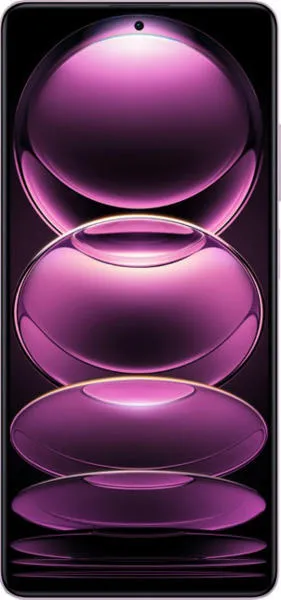
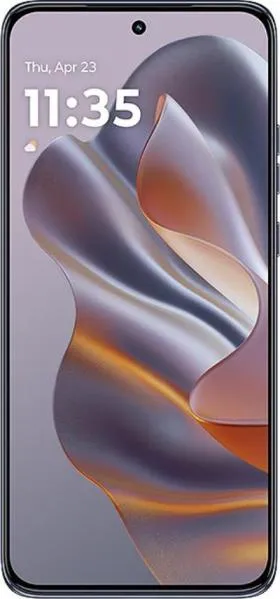
| Dimensions (mm) | 163 x 76 x 8 | 154.1 x 71.2 x 8.1 | Edge 50 Neo is slightly more compact, potentially easier to handle. |
| Weight (g) | 187 | 171 | Edge 50 Neo is noticeably lighter, reducing hand fatigue during extended use. |
| Display | |||
| Type | AMOLED | pOLED | Both offer vibrant colors and deep blacks. pOLED allows for thinner designs and potentially better power efficiency. |
| Size (inches) | 6.67 | 6.36 | Redmi Note 12 Pro offers a slightly larger screen for more immersive media consumption. |
| Resolution (px) | 1080 x 2400 | 1256 x 2760 | Edge 50 Neo boasts a sharper display with higher pixel density, resulting in crisper text and images. |
| Refresh Rate (Hz) | 120 | 120 | Both deliver smooth scrolling and animations, enhancing responsiveness. |
| Performance | |||
| Chipset | Mediatek Dimensity 1080 | Mediatek Dimensity 7300 | Edge 50 Neo's 4nm chipset likely offers better performance and power efficiency than the 6nm Dimensity 1080. |
| CPU | Octa-core (2x2.6 GHz...) | Octa-core (4x2.5 GHz...) | Edge 50 Neo features a more powerful CPU configuration, potentially leading to faster app loading and multitasking. |
| RAM (GB) | 6/8/12 | 8/12 | Both offer ample RAM for smooth performance, though the Edge 50 Neo starts at 8GB. |
| Camera | |||
| Rear Main (MP) | 50 | 50 | Comparable main camera resolution, but Edge 50 Neo utilizes newer Sony LYT-700C sensor which may provide better image quality.. |
| DxOMark Score | 102 | 115 | Edge 50 Neo significantly outperforms the Redmi Note 12 Pro in overall camera quality according to DxOMark. |
| Battery | |||
| Capacity (mAh) | 5000 | 4310 | Redmi Note 12 Pro has a larger battery capacity, potentially lasting longer on a single charge. |
2. Key Insights
Redmi Note 12 Pro: Its strengths lie in its larger battery and more affordable price point, making it a practical choice for users prioritizing all-day battery life and value. The AMOLED display, while slightly less sharp than the Edge 50 Neo, still offers a vibrant visual experience.
Motorola Edge 50 Neo: This phone shines with its superior performance, thanks to the newer Dimensity 7300 chipset and more powerful CPU. The sharper pOLED display and higher DxOMark camera score cater to users who value a premium multimedia experience. The lighter and more compact design further enhances its appeal.
Trade-offs: The Redmi Note 12 Pro compromises on performance and camera quality for a larger battery and lower price. The Edge 50 Neo, while more powerful and feature-rich, has a smaller battery.
3. User Profiles and Recommendations
Redmi Note 12 Pro: Ideal for budget-conscious users, students, or anyone prioritizing battery life over peak performance. It's a reliable workhorse for everyday tasks, social media, and casual gaming.
Motorola Edge 50 Neo: Suited for users who demand smooth performance, excellent camera quality, and a modern design. Great for mobile gaming, photography enthusiasts, and those who consume a lot of media on their phones.
4. Buying Decision Framework
- What's your budget? The Redmi Note 12 Pro offers excellent value for its price.
- Is battery life your top priority? If so, the Redmi Note 12 Pro's larger battery is a significant advantage.
- Do you need top-tier performance and camera quality? The Motorola Edge 50 Neo excels in these areas.
My Choice: Motorola Edge 50 Neo
While the Redmi Note 12 Pro offers compelling value, I'd choose the Motorola Edge 50 Neo. The performance gains from the Dimensity 7300 and the significantly better camera are crucial for my usage. I prioritize a smooth, responsive experience and capturing high-quality photos and videos. The sharper display is a welcome bonus. While the smaller battery is a slight concern, I'm willing to make that trade-off for the overall superior user experience. The more compact form factor also aligns with my preference for a phone that's comfortable to hold and use one-handed. The slightly higher price is justified by the noticeable upgrades in key areas. Ultimately, the Edge 50 Neo feels like a more future-proof device, offering a better balance of performance, features, and design.
