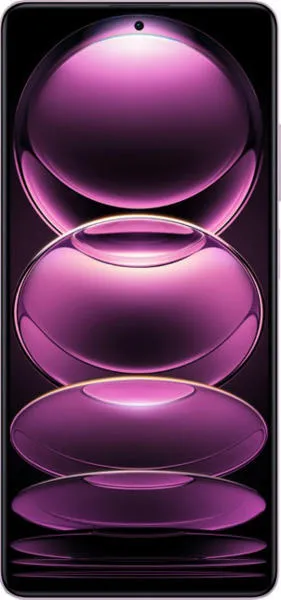
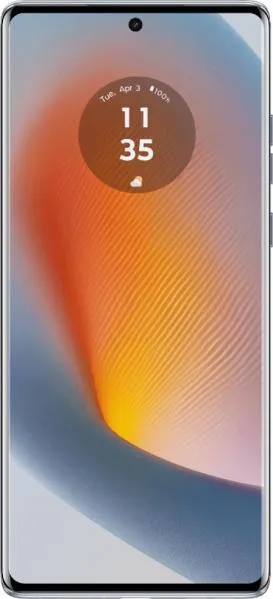
Xiaomi Redmi Note 12 Pro vs. Motorola Edge 50 Fusion: A Deep Dive
Let's dissect the Xiaomi Redmi Note 12 Pro and the Motorola Edge 50 Fusion, two compelling mid-range contenders vying for your attention. We'll go beyond the spec sheet, translating technical jargon into real-world experiences to help you choose the perfect fit.
1. Specifications Breakdown
| Feature | Xiaomi Redmi Note 12 Pro | Motorola Edge 50 Fusion | Real-World Implications |
|---|---|---|---|
| Design | |||
| Dimensions (mm) | 163 x 76 x 8 | 161.9 x 73.1 x 7.9 | Edge 50 Fusion is slightly more compact and lighter. |
| Weight (g) | 187 | 174.9 | Noticeable difference in hand feel; Edge 50 Fusion might be more comfortable for extended use. |
| Build Material | Glass front/back | Glass front, plastic back | Redmi Note 12 Pro feels more premium; Edge 50 Fusion prioritizes lighter weight. Durability might vary. |
| Display | |||
| Type | AMOLED | pOLED | Both offer vibrant colors and deep blacks. pOLED potentially offers slightly better power efficiency. |
| Size | 6.67" | 6.7" | Negligible size difference; both offer immersive viewing experiences. |
| Resolution | 1080 x 2400 | 1080 x 2400 | Identical resolution; sharpness and clarity are comparable. |
| Refresh Rate | 120Hz | 120Hz (LATAM), 144Hz(INT) | Smoother scrolling and animations on both, with Edge 50 Fusion potentially offering a slight edge in fluidity in some regions. |
| Performance | |||
| Chipset | Dimensity 1080 (6nm) | Snapdragon 7s Gen 2 (4nm) | Edge 50 Fusion likely boasts better performance and efficiency due to a newer, more advanced chipset built on a smaller process node. |
| CPU | Octa-core | Octa-core | Both offer capable multi-tasking; benchmark scores would provide more granular performance comparisons. |
| RAM | 6/8/12GB | 8/12GB | More RAM options on Redmi Note 12 Pro; 8GB is generally sufficient for most users. |
| Camera | |||
| Main Sensor | 50MP (Sony IMX766) | 50MP (Sony LYT-700C) | Both feature high-resolution sensors; image quality likely depends on software processing and lens quality. |
| Ultrawide | 8MP | 13MP (Wide + Macro) | Edge 50 Fusion offers higher resolution ultrawide and combines it with macro functionality. |
| Selfie | 16MP | 32MP | Edge 50 Fusion boasts a significantly higher resolution selfie camera. |
| Battery Life | |||
| Capacity | 5000mAh | 5000mAh | Identical battery capacity; real-world battery life will depend on software optimization and usage patterns. |
2. Key Insights
The Redmi Note 12 Pro focuses on affordability and a well-rounded feature set. Its strengths lie in its vibrant AMOLED display, fast charging, and versatile camera system.
The Motorola Edge 50 Fusion, while slightly pricier, pulls ahead with its more powerful and efficient Snapdragon chipset, promising smoother performance and potentially longer battery life. Its higher-resolution ultrawide and selfie cameras also cater to specific user needs.
3. User Profiles and Recommendations
Redmi Note 12 Pro: Budget-conscious users seeking a solid all-rounder with a good display and capable camera.
Edge 50 Fusion: Users prioritizing performance, future-proofing (thanks to longer software updates), and a more advanced camera system, especially for ultrawide and selfie photography.
4. Buying Decision Framework
- What's your budget? The Redmi Note 12 Pro offers excellent value for its price.
- Is performance a top priority? The Edge 50 Fusion's Snapdragon 7s Gen 2 offers a noticeable advantage.
- How important are camera features? Consider the Edge 50 Fusion if you frequently use ultrawide or selfie cameras.
My Choice: Motorola Edge 50 Fusion
While the Redmi Note 12 Pro is a solid device, I'd personally choose the Motorola Edge 50 Fusion. The superior performance offered by the Snapdragon 7s Gen 2, coupled with the promise of longer software updates (Android 14 out of the box and guaranteed upgrade to 17), makes it a more future-proof investment. The enhanced camera system, particularly the higher-resolution ultrawide and selfie lenses, aligns better with my photography preferences. While slightly more expensive, the overall package offered by the Edge 50 Fusion provides a better balance of performance, longevity, and features for my needs.
