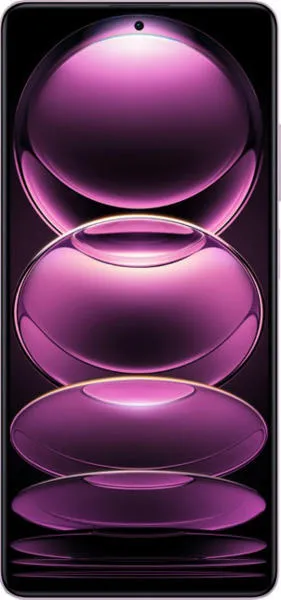
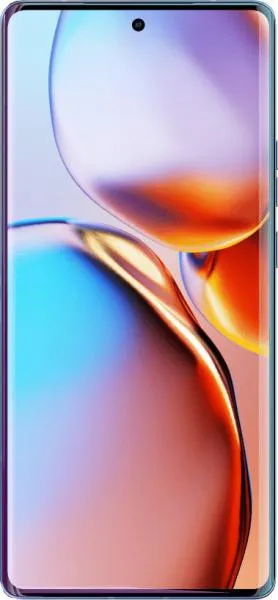
Xiaomi Redmi Note 12 Pro vs. Motorola Edge 40 Pro: A Deep Dive
Let's dissect the Xiaomi Redmi Note 12 Pro and the Motorola Edge 40 Pro, two compelling smartphones with distinct strengths. My aim is to equip you with the knowledge to choose the device that truly aligns with your needs.
1. Specifications Breakdown
| Feature | Xiaomi Redmi Note 12 Pro | Motorola Edge 40 Pro | Real-World Implications |
|---|---|---|---|
| Design | |||
| Dimensions (mm) | 163 x 76 x 8 | 161.2 x 74 x 8.6 | Edge 40 Pro is slightly more compact. |
| Weight (g) | 187 | 199 | Redmi Note 12 Pro feels noticeably lighter in hand. |
| Display | |||
| Type | AMOLED | OLED | Both offer vibrant colors and deep blacks; OLED generally consumes less power. |
| Refresh Rate (Hz) | 120 | 165 | Edge 40 Pro delivers noticeably smoother scrolling and animations, crucial for gaming and fast-paced content. |
| Peak Brightness | 900 nits | 1300 nits | Edge 40 Pro offers superior visibility in direct sunlight. |
| Performance | |||
| Chipset | Dimensity 1080 (6nm) | Snapdragon 8 Gen 2 (4nm) | Edge 40 Pro boasts significantly higher CPU and GPU performance, enabling smoother multitasking, demanding gaming, and faster app loading. |
| RAM (GB) | 6/8/12 | 12 | Edge 40 Pro's larger RAM handles more apps in the background without performance slowdown. |
| OS | Android 12 | Android 13 | Edge 40 Pro comes with a newer OS version, offering potential feature and security advantages, as well as longer software support. |
| Camera | |||
| Main Camera (MP) | 50 MP (Sony IMX766) | 50 MP (Omnivision OV50A) | Both have high-resolution main sensors, but image quality depends on processing. DxOMark scores favor the Edge 40 Pro (130 vs 102). |
| Video | 4K@30fps | 8K@30fps | Edge 40 Pro allows for higher resolution video recording. |
| Battery Life | |||
| Capacity (mAh) | 5000 | 4600 | Redmi Note 12 Pro has a larger battery, potentially offering longer usage time. However, real-world battery life depends on various factors. |
2. Key Insights
The Redmi Note 12 Pro focuses on delivering a solid overall experience at a mid-range price. Its strengths lie in its lightweight design, vibrant AMOLED display, and large battery.
The Motorola Edge 40 Pro, on the other hand, is a flagship contender. Its Snapdragon 8 Gen 2 chip provides a substantial performance leap, the 165Hz display offers ultra-smooth visuals, and the camera system, backed by a higher DxOMark score, promises superior image quality.
3. User Profiles and Recommendations
Redmi Note 12 Pro: Ideal for budget-conscious users who prioritize a long-lasting battery, a good display, and reliable performance for everyday tasks like social media, web browsing, and casual gaming.
Motorola Edge 40 Pro: Perfect for power users and mobile gamers who demand top-tier performance, a buttery smooth display, and a capable camera system. It's also a good choice for those who value future-proofing through longer software updates.
4. Buying Decision Framework
- What's your budget? The Redmi Note 12 Pro offers excellent value for its price, while the Edge 40 Pro sits in a higher price bracket.
- What are your performance needs? For demanding tasks and gaming, the Edge 40 Pro is the clear winner. For everyday use, the Redmi Note 12 Pro is more than sufficient.
- How important is software longevity? The Edge 40 Pro, running on a newer Android version and likely to receive longer updates, is a better choice for long-term use.
My Choice: If budget wasn't a constraint, I'd opt for the Motorola Edge 40 Pro. The significant performance advantage, smoother display, and better camera system are compelling. As a tech enthusiast, I appreciate the future-proofing offered by the newer hardware and software. However, if value is a top priority, the Redmi Note 12 Pro is a fantastic option that delivers a well-rounded experience.
