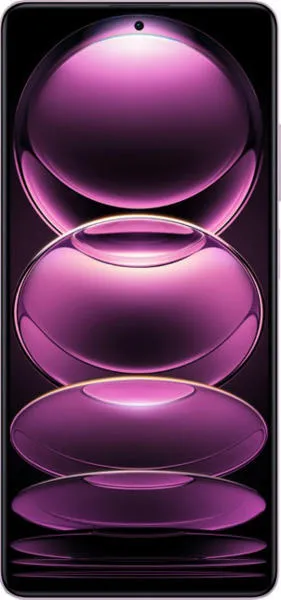
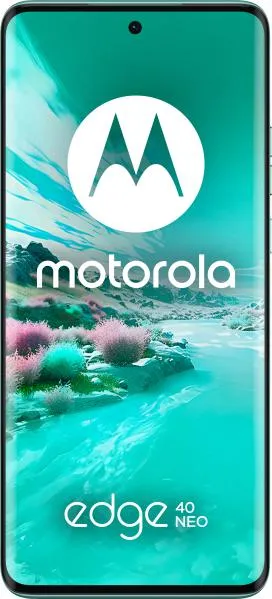
Xiaomi Redmi Note 12 Pro vs. Motorola Edge 40 Neo: A Deep Dive
Let's dissect the Xiaomi Redmi Note 12 Pro and the Motorola Edge 40 Neo, two compelling mid-range contenders vying for your attention. I'll break down their specs, analyze their real-world performance, and help you decide which phone best fits your needs.
1. Specifications Breakdown
| Feature | Xiaomi Redmi Note 12 Pro | Motorola Edge 40 Neo | Real-World Implications |
|---|---|---|---|
| Design | |||
| Dimensions (mm) | 163 x 76 x 8 | 159.6 x 72 x 7.9 | Edge 40 Neo is slightly more compact and lighter. |
| Weight (g) | 187 | 170 | Noticeable difference in hand feel; Edge 40 Neo easier to pocket. |
| Display | |||
| Type | AMOLED | pOLED | Both offer vibrant colors and deep blacks. pOLED generally consumes less power. |
| Size | 6.67" | 6.55" | Negligible difference in screen real estate. |
| Refresh Rate | 120Hz | 144Hz | Smoother animations and scrolling on the Edge 40 Neo. |
| Peak Brightness | 900 nits | 1300 nits | Edge 40 Neo significantly brighter outdoors. |
| Performance | |||
| Chipset | Dimensity 1080 | Dimensity 7030 | Both offer solid mid-range performance, though benchmarks favor the 1080 slightly. |
| CPU | 2x2.6 GHz A78, 6x2.0 GHz A55 | 2x2.5 GHz A78, 6x2.0 GHz A55 | Comparable CPU performance, minor clock speed variance. |
| GPU | Mali-G68 MC4 | Mali-G610 MC3 | G610 offers newer architecture, potentially better efficiency. |
| RAM | 6/8/12GB | 8/12GB | More RAM options on Redmi Note 12 Pro, but 12GB is ample for most users on the Edge 40 Neo. |
| OS | Android 12 | Android 13 | Edge 40 Neo ships with a newer OS and guaranteed updates to Android 15. |
| Camera | |||
| Main | 50MP, Sony IMX766 | 50MP, OmniVision OV50A | Both use capable sensors; image quality will depend on processing. |
| Ultrawide | 8MP | 13MP with Macro | Edge 40 Neo combines ultrawide and macro; higher resolution ultrawide. |
| Selfie | 16MP | 32MP | Significantly higher resolution selfie camera on the Edge 40 Neo. |
| Video | 4K@30fps | 4K@30fps with EIS | Both record 4K; Edge 40 Neo features Electronic Image Stabilization. |
| Battery Life | |||
| Capacity | 5000mAh | 5000mAh | Similar battery capacity, expected comparable longevity. |
2. Key Insights
The Redmi Note 12 Pro boasts a slightly faster processor, a dedicated macro lens, and more RAM/storage configurations. Its Dolby Vision display could be a draw for media consumption. However, it launches with an older Android version.
The Motorola Edge 40 Neo counters with a smoother 144Hz display, brighter screen for outdoor use, a newer Android OS with longer update support, a higher-resolution ultrawide and selfie camera, and Electronic Image Stabilization for video. It's also lighter and more compact. The combined ultrawide/macro lens might be less versatile than dedicated lenses.
3. User Profiles and Recommendations
Redmi Note 12 Pro: Suits users prioritizing processing power for demanding tasks, who value Dolby Vision for media, and need flexible RAM/storage options.
Motorola Edge 40 Neo: Ideal for users who prioritize a smooth display, excellent outdoor visibility, longer software support, a great selfie camera, and a lighter, more pocketable phone.
4. Buying Decision Framework
- How important is software support and the latest Android features? If crucial, the Edge 40 Neo's Android 13 with updates to 15 wins.
- Do you shoot a lot of videos? The Edge 40 Neo's EIS will provide more stable footage.
- Are you a heavy mobile gamer? The Redmi Note 12 Pro's slightly faster processor might offer a minor edge in performance.
My Choice: Motorola Edge 40 Neo
While the Redmi Note 12 Pro is a solid device, the Motorola Edge 40 Neo offers a more compelling package for me. The combination of a smoother 144Hz display, brighter screen, guaranteed Android updates, a superior selfie camera, and EIS for video recording outweighs the Redmi's slight processing advantage. The Edge 40 Neo's lighter and more compact design also resonates with my preference for portability. The longer software support ensures a future-proof experience, a crucial factor in my book. Finally, while I appreciate dedicated lenses, the higher resolution ultrawide on the Edge 40 Neo coupled with its macro capability provides sufficient versatility for my photography needs.
