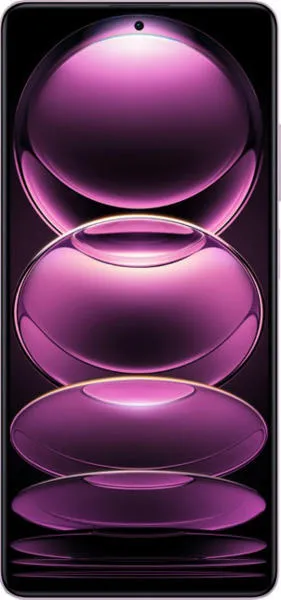
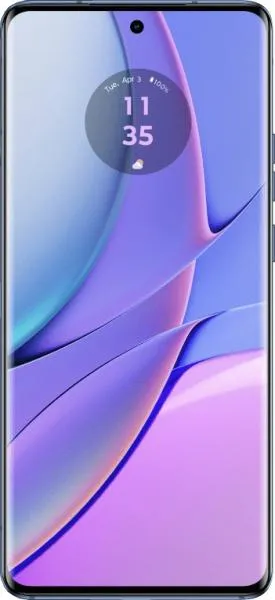
Xiaomi Redmi Note 12 Pro vs. Motorola Edge 40: A Comparative Analysis
Let's dive deep into the specs of the Xiaomi Redmi Note 12 Pro and the Motorola Edge 40, translating the technical jargon into real-world implications for you.
1. Specifications Breakdown
| Feature | Xiaomi Redmi Note 12 Pro | Motorola Edge 40 | Real-World Implications |
|---|---|---|---|
| Design | |||
| Dimensions (mm) | 163 x 76 x 8 | 158.4 x 72 x 7.6 | Motorola Edge 40 is slightly smaller and thinner, potentially more pocketable. |
| Weight (g) | 187 | 167 | Motorola Edge 40 is noticeably lighter, reducing hand fatigue during extended use. |
| Display | |||
| Type | AMOLED | P-OLED | Both offer vibrant colors and deep blacks. P-OLED generally consumes less power. |
| Size | 6.67" | 6.55" | Negligible difference in screen real estate. |
| Refresh Rate | 120Hz | 144Hz | Motorola Edge 40 offers smoother scrolling and animations. |
| Peak Brightness | 900 nits | 1200 nits | Motorola Edge 40 excels in direct sunlight readability. |
| Performance | |||
| Chipset | Dimensity 1080 | Dimensity 8020 | Both offer comparable mid-range performance, but the 8020 might have a slight edge in GPU tasks. |
| CPU | Octa-core (2x2.6 GHz A78 & 6x2.0 GHz A55) | Octa-core (4x2.6 GHz A78 & 4x2.0 GHz A55) | Similar CPU configurations, expecting comparable performance in everyday tasks. |
| GPU | Mali-G68 MC4 | Mali-G77 MC9 | Motorola Edge 40's GPU likely offers improved gaming and graphics performance. |
| RAM | 6/8/12GB | 8GB | More RAM options for the Redmi Note 12 Pro cater to varying needs and budgets. |
| Camera | |||
| Main Camera | 50MP (Sony IMX766) | 50MP (OV50A) | Both offer high-resolution sensors, image quality will depend on processing. |
| Aperture | f/1.88 | f/1.4 | Wider aperture on the Edge 40 allows for better low-light performance. |
| Ultrawide | 8MP | 13MP | Edge 40 boasts a higher resolution ultrawide camera. |
| Selfie Camera | 16MP | 32MP | Edge 40 has a significantly higher resolution selfie camera. |
| Battery Life | |||
| Capacity | 5000 mAh | 4400 mAh | Redmi Note 12 Pro offers a larger battery capacity, potentially longer battery life. |
2. Key Insights
- Display: The Motorola Edge 40's 144Hz P-OLED display delivers a noticeably smoother and more responsive experience, especially for gaming and scrolling. Its higher peak brightness makes it more usable outdoors.
- Performance: Both phones perform well for daily tasks. The slight advantage of the Dimensity 8020 in the Edge 40, coupled with its faster GPU, will be most apparent in demanding games and graphics-intensive applications.
- Camera: While both have 50MP main cameras, the Motorola Edge 40's wider f/1.4 aperture should capture brighter low-light photos. Its higher-resolution ultrawide and selfie cameras also give it an edge for versatility and social media enthusiasts.
- Battery: The Redmi Note 12 Pro's larger battery likely translates to longer usage time between charges. However, the Edge 40's more efficient P-OLED display could help offset this difference. Real-world battery life will depend heavily on individual usage patterns.
3. User Profiles and Recommendations
- Redmi Note 12 Pro: Best for users prioritizing battery life, affordability, and a versatile camera system. The multiple RAM and storage configurations offer flexibility for budget-conscious buyers.
- Motorola Edge 40: Ideal for users who value a premium display experience, smoother performance, a slim and lightweight design, and superior low-light photography.
4. Buying Decision Framework
- What matters most? Prioritize features like battery life, display quality, camera performance, or design.
- What's your budget? The Redmi Note 12 Pro offers more affordable options.
- What's your usage pattern? Heavy gamers and media consumers will appreciate the Edge 40's display and performance; power users will lean towards the Redmi Note 12 Pro's larger battery.
My Choice: Motorola Edge 40
If I were choosing between these two, I'd go with the Motorola Edge 40. While the Redmi Note 12 Pro offers a larger battery, the Edge 40's superior display (that buttery smooth 144Hz!), slimmer design, and faster GPU, along with the improved camera, make it the more compelling device for me. I prioritize a responsive and visually engaging experience, and the Edge 40 delivers that in spades. The slightly smaller battery is a trade-off I'm willing to make for the overall package. Plus, having the latest Android OS and promised updates adds long-term value.
