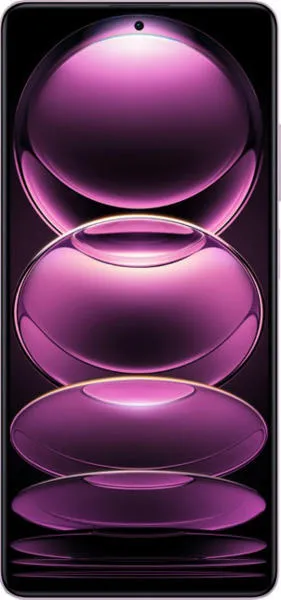
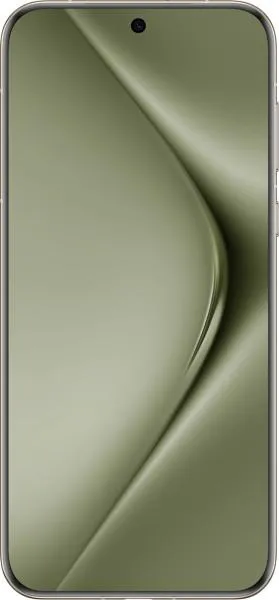
Xiaomi Redmi Note 12 Pro vs. Huawei Pura 70 Ultra: A Deep Dive
Let's dissect the Xiaomi Redmi Note 12 Pro and the Huawei Pura 70 Ultra, two compelling smartphones with distinct strengths. This analysis goes beyond the spec sheet, translating technical jargon into real-world implications for you.
1. Specifications Breakdown
| Feature | Xiaomi Redmi Note 12 Pro | Huawei Pura 70 Ultra | Real-World Implications |
|---|---|---|---|
| Design | |||
| Dimensions (mm) | 163 x 76 x 8 | 162.6 x 75.1 x 8.4 | Pura 70 Ultra slightly more compact, but heavier (226g vs 187g). Redmi feels lighter in hand. |
| Weight (g) | 187 | 226 | Noticeable difference in hand; prolonged use might favor the lighter Redmi. |
| Display | |||
| Size (inches) | 6.67 | 6.8 | Pura 70 Ultra offers a marginally larger screen. |
| Resolution | 1080 x 2400 | 1260 x 2844 | Pura 70 Ultra boasts sharper visuals due to higher pixel density (460 ppi vs 395 ppi). |
| Type | AMOLED, 120Hz | LTPO OLED, 120Hz | Both offer vibrant colors and smooth scrolling. Pura 70 Ultra's LTPO allows for dynamic refresh rate, saving battery. |
| Peak Brightness | 900 nits | 2500 nits | Pura 70 Ultra significantly brighter, crucial for outdoor visibility. |
| Performance | |||
| Chipset | Dimensity 1080 (6nm) | Kirin 9010 (7nm) | Kirin 9010 generally more powerful, especially in demanding tasks and multitasking. |
| CPU | Octa-core (2.6 GHz A78) | Octa-core (2.3 GHz) | Both offer smooth everyday performance, but Kirin 9010 likely has a higher performance ceiling. |
| RAM | 6/8/12GB | 16GB | Pura 70 Ultra's 16GB RAM ensures seamless multitasking and future-proofing. |
| Camera | |||
| Main Sensor | 50MP Sony IMX766 | 50MP Sony IMX989 | IMX989 boasts a larger sensor size (1") capturing more light, likely resulting in superior low-light performance. |
| Ultrawide | 8MP | 40MP | Massive difference; Pura 70 Ultra's ultrawide offers significantly higher resolution and detail. |
| Battery Life | |||
| Capacity | 5000 mAh | 5200 mAh | Similar battery capacities, but Pura 70 Ultra's LTPO display could contribute to longer battery life overall. |
2. Key Insights
- Performance: The Pura 70 Ultra, with its Kirin 9010 processor and a whopping 16GB of RAM, is a clear powerhouse designed for demanding users. The Redmi Note 12 Pro offers respectable performance for everyday tasks, but it won't match the Pura 70 Ultra in heavy lifting.
- Display: Both phones have excellent displays. However, the Pura 70 Ultra's LTPO panel allows for a dynamic refresh rate, optimizing battery life. Its significantly higher peak brightness makes it a winner for outdoor use.
- Camera: While both feature a 50MP main sensor, the Pura 70 Ultra leverages the larger, more advanced Sony IMX989. Combined with its impressive 40MP ultrawide, the Pura 70 Ultra promises significantly better image quality, especially in low light. The Redmi's camera system is decent, but not in the same league.
- Price: The Redmi Note 12 Pro falls into the mid-range category, offering excellent value for its price. The Pura 70 Ultra, with its flagship specifications, commands a significantly higher price tag.
3. User Profiles and Recommendations
- Redmi Note 12 Pro: Ideal for budget-conscious users who prioritize a lightweight phone with a good display and solid performance for daily tasks like social media, web browsing, and casual gaming.
- Huawei Pura 70 Ultra: Perfect for power users, photographers, and content creators who demand top-tier performance, a brilliant display, and a cutting-edge camera system. The premium price reflects the flagship-level experience.
4. Buying Decision Framework
- What's your budget? If you're looking for an affordable option, the Redmi Note 12 Pro is the clear winner. If price is less of a concern, consider the Pura 70 Ultra.
- What are your performance needs? For demanding tasks like gaming, video editing, or heavy multitasking, the Pura 70 Ultra's superior processing power is crucial. For everyday use, the Redmi Note 12 Pro is more than sufficient.
- How important is camera quality? If photography is a priority, the Pura 70 Ultra's superior camera system is a compelling reason to choose it.
My Choice: The Huawei Pura 70 Ultra
While the Redmi Note 12 Pro offers excellent value, I would choose the Huawei Pura 70 Ultra. As a tech enthusiast who often pushes devices to their limits, I prioritize raw performance and a cutting-edge camera. The Kirin 9010, coupled with 16GB RAM, ensures a future-proof experience, handling any task I throw at it with ease. The superior camera system, particularly the large IMX989 sensor and 40MP ultrawide, is incredibly appealing. While the price is higher, the Pura 70 Ultra represents a significant leap in capabilities that aligns with my needs and justifies the premium. The brighter display for outdoor use and potential for better battery life due to the LTPO panel are also significant advantages. I'm willing to invest in a device that offers the best possible mobile experience.
