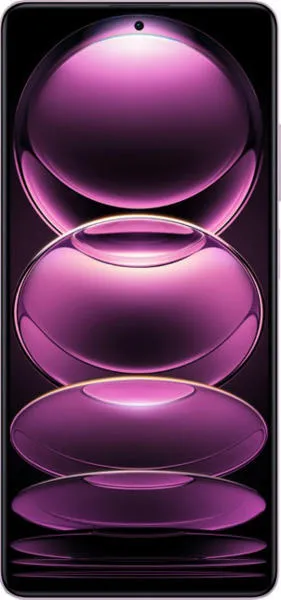
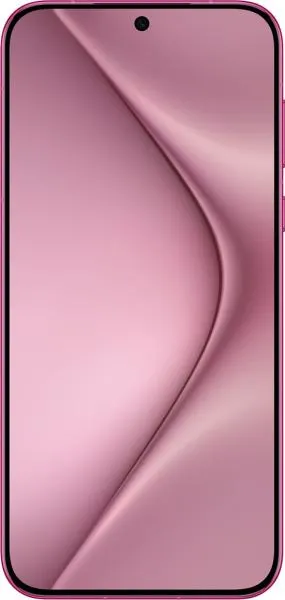
Xiaomi Redmi Note 12 Pro vs. Huawei Pura 70: A Deep Dive
Let's dissect the Xiaomi Redmi Note 12 Pro and the Huawei Pura 70, translating their specs into real-world experiences to help you choose the right device.
1. Specifications Breakdown
| Feature | Xiaomi Redmi Note 12 Pro | Huawei Pura 70 | Real-World Implications |
|---|---|---|---|
| Design | |||
| Dimensions (mm) | 163 x 76 x 8 | 157.6 x 74.3 x 8 | Pura 70 slightly smaller, potentially more pocketable. |
| Weight (g) | 187 | 207 | Redmi Note 12 Pro noticeably lighter, reducing hand fatigue. |
| Display | |||
| Type | AMOLED | LTPO OLED | Both offer vibrant colors and deep blacks. LTPO allows for dynamic refresh rate, saving battery. |
| Size (inches) | 6.67 | 6.6 | Negligible size difference in real-world usage. |
| Resolution (px) | 1080 x 2400 | 1256 x 2760 | Pura 70 sharper due to higher pixel density. |
| Refresh Rate (Hz) | 120 | 120 | Both offer smooth scrolling and animations. |
| Peak Brightness | 900 nits | 2500 nits | Pura 70 significantly brighter, crucial for outdoor visibility. |
| Performance | |||
| Chipset | Mediatek Dimensity 1080 | Kirin 9000S1 | Pura 70 likely more powerful, but real-world performance depends on optimization. |
| CPU | Octa-core (2x2.6 GHz Cortex-A78 & 6x2.0 GHz Cortex-A55) | Octa-core | Specific core configurations missing for Pura 70, hindering detailed comparison. |
| RAM (GB) | 6/8/12 | 12 | Pura 70 offers more RAM in its base configuration, enabling better multitasking. |
| Camera | |||
| Main Camera (MP) | 50 | 50 | Both utilize 50MP sensors; image quality will depend on processing and lens quality. |
| Aperture | f/1.88 | f/1.4 | Pura 70's wider aperture allows for better low-light performance and depth of field. |
| Battery Life | |||
| Capacity (mAh) | 5000 | 4900 | Negligible difference in battery capacity; real-world usage varies significantly. |
| Other | |||
| OS | Android 12 | (Not specified) | Operating system details missing for Pura 70, making comparison difficult. |
| Price Range | Medium | Medium | Actual prices vary; consider specific deals and regional availability. |
2. Key Insights
- Display: The Pura 70 boasts a superior display with higher resolution and significantly brighter peak brightness, making it ideal for outdoor use. The Redmi Note 12 Pro's AMOLED display is still excellent, offering vibrant colors and deep blacks. The Pura 70's LTPO panel adds dynamic refresh rate adjustment for potential battery savings.
- Performance: The Kirin 9000S1 in the Pura 70 is likely a more powerful chipset than the Dimensity 1080, promising smoother performance in demanding tasks. However, real-world performance is influenced by software optimization, which we can't fully assess without hands-on testing. The Pura 70's 12GB RAM configuration gives it a clear advantage in multitasking.
- Camera: Both phones feature 50MP main cameras. However, the Pura 70's wider f/1.4 aperture suggests superior low-light performance and better background blur (bokeh). More detailed camera comparisons require analyzing image samples.
- Battery: While the battery capacities are nearly identical, actual battery life depends on factors like display brightness, processor efficiency, and software optimization.
3. User Profiles and Recommendations
- Redmi Note 12 Pro: Suited for users seeking a well-rounded, budget-friendly phone with a great display and solid performance. Ideal for everyday tasks, media consumption, and casual gaming.
- Huawei Pura 70: Geared towards users prioritizing a top-tier display, powerful performance, and advanced camera capabilities. Recommended for power users, mobile photographers, and those who demand the best possible visual experience.
4. Buying Decision Framework:
- What is your budget? The specific price difference between these phones will heavily influence the decision.
- What are your primary use cases? For everyday tasks and media consumption, the Redmi Note 12 Pro may suffice. For demanding gaming, professional photography, or heavy multitasking, the Pura 70 is likely the better choice.
- How important is display brightness? If you frequently use your phone outdoors, the Pura 70's superior brightness is a significant advantage.
My Choice: Huawei Pura 70
If I were choosing between these two, I'd opt for the Huawei Pura 70. The deciding factors for me are the significantly brighter display with LTPO technology, the potentially more powerful Kirin chipset coupled with 12GB of RAM, and the wider aperture on the main camera. While the lack of specific OS details for the Pura 70 is a concern, the hardware advantages, especially the display and performance, outweigh the Redmi Note 12 Pro's benefits for my personal needs. I prioritize a smooth, responsive experience, excellent visuals, and the ability to comfortably use my phone in bright sunlight. The Pura 70 seems to deliver on these fronts more convincingly. However, a final verdict would require real-world testing to confirm the actual performance and camera quality.
