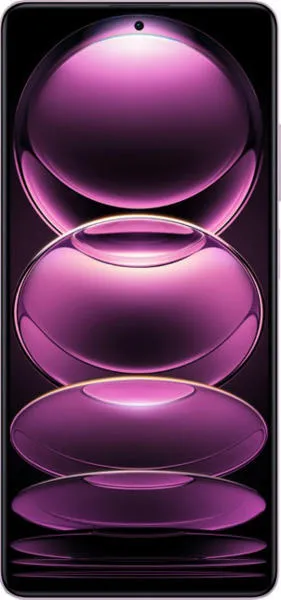
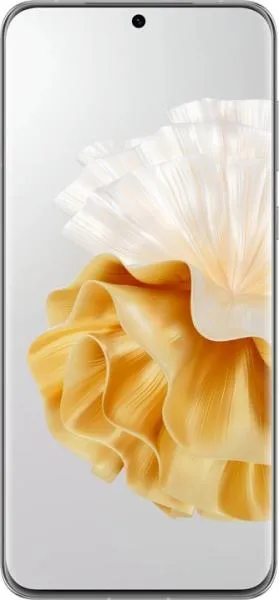
Xiaomi Redmi Note 12 Pro vs. Huawei P60 Pro: A Deep Dive
Let's dissect the Xiaomi Redmi Note 12 Pro and the Huawei P60 Pro, two compelling smartphones catering to different needs and budgets. We'll go beyond the spec sheet to understand how these devices perform in the real world.
1. Specifications Breakdown
| Feature | Xiaomi Redmi Note 12 Pro | Huawei P60 Pro | Real-World Implications |
|---|---|---|---|
| Design | |||
| Dimensions | 163 x 76 x 8 mm, 187g | 161 x 74.5 x 8.3 mm, 200g | P60 Pro slightly smaller, denser feel |
| Build Materials | Glass front, plastic frame, glass back | Glass front, glass back, aluminum frame | P60 Pro feels more premium |
| Display | |||
| Display Type | 6.67" AMOLED, 120Hz | 6.67" LTPO OLED, 120Hz | Both offer smooth scrolling, vibrant colors; P60 Pro's LTPO allows for variable refresh rate, potentially saving battery |
| Resolution | 1080 x 2400 pixels | 1220 x 2700 pixels | P60 Pro noticeably sharper |
| HDR | Dolby Vision, HDR10+ | (Not specified) | Redmi Note 12 Pro likely better for HDR content |
| Performance | |||
| Chipset | MediaTek Dimensity 1080 | Qualcomm Snapdragon 8+ Gen 1 4G | P60 Pro significantly more powerful, better for demanding tasks and gaming |
| CPU | Octa-core (2x2.6 GHz A78 & 6x2.0 GHz A55) | Octa-core (1x3.19 GHz X2 & 3x2.75 GHz A710 & 4x2.0 GHz A510) | P60 Pro's superior CPU architecture offers much faster processing speeds |
| RAM | 6/8/12GB | 8/12GB | Both offer ample RAM for multitasking; 12GB option on both provides headroom for future-proofing |
| Camera | |||
| Main Camera | 50MP Sony IMX766, f/1.88 | 48MP Sony IMX888, f/1.4 | P60 Pro's wider aperture and larger sensor likely perform better in low light |
| Telephoto | N/A | 48MP, f/2.1, 3.5x Optical Zoom | P60 Pro offers superior zoom capabilities |
| Ultrawide | 8MP, f/2.2 | 13MP, f/2.2 | P60 Pro's ultrawide likely captures more detail |
| DxOMark Score | 102 | 156 | P60 Pro boasts a significantly higher camera rating, indicating superior overall image quality |
| Battery Life | |||
| Capacity | 5000 mAh | 4815 mAh | Similar battery capacities; real-world battery life will depend on usage and optimization |
| Charging | 67W Fast Charging | 88W Wired, 50W Wireless | P60 Pro charges significantly faster, both wired and wirelessly |
| Other | |||
| Price Range | Medium | High | Redmi Note 12 Pro offers much greater affordability |
| 5G Connectivity | Yes | No | Redmi Note 12 Pro offers 5G connectivity, future-proofing your network access |
| Operating System | Android 12 | HarmonyOS 3.1 (based on Android Open Source Project) | P60 Pro lacks Google Mobile Services, impacting app availability |
2. Key Insights
- Performance Powerhouse: The P60 Pro, with its Snapdragon 8+ Gen 1, obliterates the Redmi Note 12 Pro in raw processing power. This translates to smoother gaming, faster app loading, and effortless multitasking.
- Camera King: The P60 Pro's camera system, validated by its stellar DxOMark score, is in a different league. Expect significantly better low-light performance, sharper details, and superior zoom capabilities.
- Display Delight: While both phones have 120Hz displays, the P60 Pro's higher resolution and LTPO technology provide a sharper, more energy-efficient viewing experience.
- Price vs. Performance: The Redmi Note 12 Pro offers incredible value for its price. It's a well-rounded device that excels in daily tasks, but it can't match the P60 Pro's premium performance.
- The Google Question: The P60 Pro's lack of Google Mobile Services is a major consideration. While workarounds exist, it might impact app availability and user experience for those heavily reliant on Google's ecosystem.
3. User Profiles and Recommendations
- Redmi Note 12 Pro: Ideal for budget-conscious users who prioritize a good overall experience without breaking the bank. Students, casual gamers, and social media enthusiasts will find this phone more than adequate.
- Huawei P60 Pro: Perfect for power users, photography enthusiasts, and those who demand the absolute best in mobile technology. If budget is less of a concern and Google services are not critical, the P60 Pro delivers a flagship experience.
4. Buying Decision Framework
- What's your budget? If you're on a tight budget, the Redmi Note 12 Pro offers excellent value.
- Are Google services essential? If yes, the P60 Pro's lack of Google support is a dealbreaker.
- What are your performance needs? For demanding tasks and gaming, the P60 Pro is the clear winner. For everyday use, the Redmi Note 12 Pro is sufficient.
My Choice:
Personally, I would choose the Xiaomi Redmi Note 12 Pro. While the Huawei P60 Pro boasts impressive specs, the lack of Google services is a significant drawback for me. I rely heavily on the Google ecosystem, and the potential inconvenience outweighs the performance benefits. The Redmi Note 12 Pro, on the other hand, offers a well-rounded experience with 5G connectivity at a significantly lower price point, making it a more practical choice for my needs. I also appreciate having a phone with readily available future system updates, and while Xiaomi's update track record is not perfect, it tends to be more reliable for mid-range devices compared to Huawei's current situation. Ultimately, the Redmi Note 12 Pro strikes the best balance between performance, features, price, and usability for my personal requirements.
