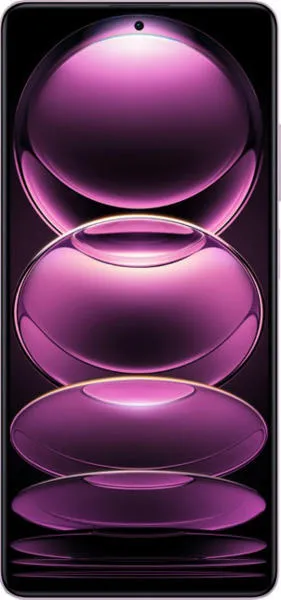
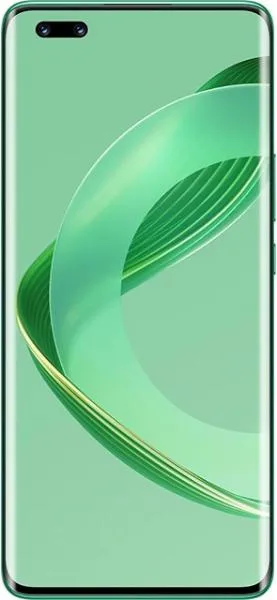
Xiaomi Redmi Note 12 Pro vs. Huawei nova 11 Pro: A Detailed Comparison
Hello fellow tech enthusiasts! Alex Griffin here, ready to dissect the Xiaomi Redmi Note 12 Pro and the Huawei nova 11 Pro. We'll delve into the specs, translate them into real-world experiences, and help you decide which phone fits your needs.
1. Specifications Breakdown
| Feature | Xiaomi Redmi Note 12 Pro | Huawei nova 11 Pro | Real-World Implications |
|---|---|---|---|
| Design | |||
| Dimensions (mm) | 163 x 76 x 8 | 164.3 x 74.4 x 7.9 | Nova 11 Pro is slightly larger and thinner. Negligible difference in daily use. |
| Weight (g) | 187 | 188 | Virtually identical weight; both feel comfortable in hand. |
| Display | |||
| Size (inches) | 6.67 | 6.78 | Nova 11 Pro offers a marginally larger screen. |
| Resolution (px) | 1080 x 2400 | 1200 x 2652 | Nova 11 Pro boasts sharper visuals due to higher resolution. |
| Type | AMOLED | OLED | Both offer vibrant colors and deep blacks. OLED generally consumes less power. |
| Refresh Rate (Hz) | 120 | 120 | Both deliver smooth scrolling and animations. |
| Performance | |||
| Chipset | Mediatek Dimensity 1080 | Snapdragon 778G 4G | Both are mid-range chipsets; Snapdragon 778G generally offers slightly better CPU and GPU performance. |
| CPU | Octa-core (2.6 GHz A78) | Octa-core (2.4 GHz Kryo) | Snapdragon 778G may provide slightly smoother multitasking and gaming. |
| RAM (GB) | 6/8/12 | 8/12 | Both offer ample RAM for most users; 12GB option on Redmi provides headroom for future-proofing. |
| Camera | |||
| Rear Main (MP) | 50 (Sony IMX766) | 50 | Redmi's IMX766 sensor is known for good low-light performance. Practical image quality needs a real-world test. |
| Front (MP) | 16 | 60 + 8 | Nova 11 Pro boasts a significantly higher resolution selfie camera with a dedicated depth sensor. |
| Battery | |||
| Capacity (mAh) | 5000 | 4500 | Redmi Note 12 Pro offers a larger battery, potentially leading to longer battery life. |
2. Key Insights
- Display: The Nova 11 Pro's higher resolution display provides a noticeable sharpness advantage. While both screens offer vibrant colors and smooth refresh rates, the sharper details on the Nova 11 Pro will be appreciated by users who consume a lot of media.
- Performance: While benchmark numbers might slightly favor the Snapdragon 778G in the Nova 11 Pro, in real-world usage, both phones should handle everyday tasks and moderate gaming without issues. The difference will likely be subtle.
- Camera: The Redmi Note 12 Pro relies on a proven Sony IMX766 sensor for its main camera, known for its solid performance, especially in low light. The Nova 11 Pro counters with a high-resolution selfie camera setup. The ultimate winner in the camera department depends on individual priorities - general photography vs. selfie quality.
- Battery: The Redmi Note 12 Pro's larger battery capacity suggests longer endurance. However, real-world battery life is influenced by various factors including software optimization and usage patterns.
3. User Profiles and Recommendations
- Redmi Note 12 Pro: Best suited for users prioritizing battery life, solid all-around performance, and a reliable main camera. Ideal for those seeking a well-rounded device at a potentially lower price point.
- Huawei nova 11 Pro: A good choice for users who value a sharp, vibrant display and a high-resolution selfie camera. Suitable for social media enthusiasts and content creators who prioritize front-facing camera quality.
4. Buying Decision Framework
- What's your budget? The Redmi Note 12 Pro is generally more affordable.
- Is battery life a top priority? The Redmi Note 12 Pro likely offers longer endurance.
- Are you a heavy selfie user or a photography enthusiast? The Nova 11 Pro excels in selfie quality, while the Redmi Note 12 Pro boasts a strong main camera sensor.
My Choice: The Xiaomi Redmi Note 12 Pro
While the Nova 11 Pro offers a sharper display and impressive selfie capabilities, I'd personally choose the Redmi Note 12 Pro. The combination of a larger battery, the proven Sony IMX766 camera sensor, and the potential for a lower price makes it a more compelling overall package for my needs. I prioritize battery life and reliable all-around performance, and the Redmi Note 12 Pro seems to deliver better in those areas. The slightly lower resolution display wouldn't be a deal-breaker for me. Ultimately, it comes down to personal preferences and priorities.
