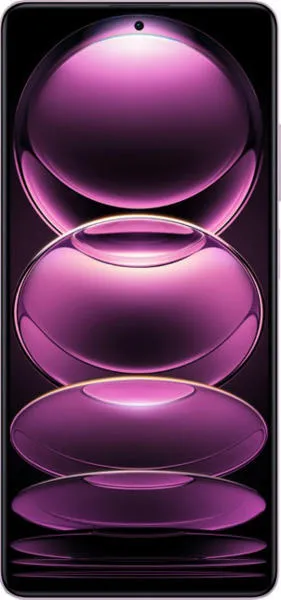
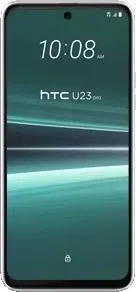
Xiaomi Redmi Note 12 Pro vs. HTC U23 Pro: A Comparative Analysis
Hello, fellow tech explorers! Today, we're diving deep into a head-to-head comparison of two intriguing mid-range contenders: the Xiaomi Redmi Note 12 Pro and the HTC U23 Pro. Let's dissect their specifications, uncover their strengths and weaknesses, and ultimately determine which device reigns supreme.
1. Specifications Breakdown
| Feature | Xiaomi Redmi Note 12 Pro | HTC U23 Pro | Real-World Implications |
|---|---|---|---|
| Design | |||
| Dimensions (mm) | 163 x 76 x 8 | 166.6 x 77.1 x 8.9 | Redmi is slightly more compact and pocketable. HTC feels more substantial in hand. |
| Weight (g) | 187 | 205 | Noticeable difference in weight; Redmi feels lighter for extended use. |
| Display | |||
| Type | AMOLED | OLED | Both offer vibrant colors and deep blacks; AMOLED generally boasts slightly better contrast. |
| Size (inches) | 6.67 | 6.7 | Negligible size difference; both provide ample screen real estate. |
| Refresh Rate (Hz) | 120 | 120 | Smooth scrolling and responsive gaming experience on both devices. |
| HDR | Dolby Vision, HDR10+ | None | Redmi offers superior HDR support for richer visuals in compatible content. |
| Performance | |||
| Chipset | Dimensity 1080 (6nm) | Snapdragon 7 Gen 1 (4nm) | Snapdragon generally offers better performance and efficiency due to the more advanced node. |
| CPU | Octa-core (2x2.6 GHz A78 & 6x2.0 GHz A55) | Octa-core (1x2.4 GHz A710 & 3x2.36 GHz A710 & 4x1.8 GHz A510) | Snapdragon's architecture should provide a performance edge, especially in demanding tasks. |
| GPU | Mali-G68 MC4 | Adreno 644 | Adreno 644 generally delivers stronger graphics performance for gaming. |
| RAM (GB) | 6/8/12 | 8/12 | Both offer ample RAM for multitasking; 12GB option on Redmi provides headroom for future-proofing. |
| Camera | |||
| Main Camera (MP) | 50 (Sony IMX766) | 108 | Higher megapixel count on HTC doesn't guarantee better image quality; sensor and processing matter. |
| Ultrawide (MP) | 8 | 8 | Comparable ultrawide capabilities. |
| Video | 4K@30fps, 1080p@120fps | 4K@30fps | Redmi offers more versatile video recording options with higher frame rates. |
| Battery Life | |||
| Capacity (mAh) | 5000 | 4600 | Redmi's larger battery likely translates to longer usage time. |
2. Key Insights
- Performance: While the Redmi Note 12 Pro boasts impressive specs, the HTC U23 Pro's Snapdragon 7 Gen 1 chip, built on a 4nm process, likely delivers a smoother and more efficient performance, particularly for demanding tasks and gaming.
- Display: Both phones feature 120Hz refresh rate displays for fluid visuals. However, the Redmi Note 12 Pro's support for Dolby Vision and HDR10+ gives it a significant edge in content consumption, delivering a more vibrant and dynamic viewing experience.
- Camera: The HTC U23 Pro boasts a higher resolution main sensor (108MP). However, megapixels alone don't tell the whole story. The Redmi Note 12 Pro uses the well-regarded Sony IMX766 sensor, known for its excellent light capture and dynamic range. Real-world image quality will depend on the processing capabilities of each phone. Redmi also offers more versatile video recording options.
- Battery: The Redmi Note 12 Pro's 5000mAh battery offers a clear advantage in terms of longevity compared to the HTC U23 Pro's 4600mAh battery.
3. User Profiles and Recommendations
- Xiaomi Redmi Note 12 Pro: Ideal for users who prioritize a vibrant display for media consumption, long battery life, and a versatile camera system. Its attractive price point makes it a compelling option for budget-conscious buyers.
- HTC U23 Pro: Best suited for users who demand top-tier performance for gaming and demanding applications. Its more refined design and potentially superior image quality might appeal to those seeking a premium experience.
4. Buying Decision Framework
- What is your budget? The Redmi Note 12 Pro is generally more affordable.
- What are your primary use cases? Gaming and demanding apps? HTC. Media consumption and battery life? Redmi.
- How important is camera quality to you? This requires real-world comparisons beyond specs. Consider if you need versatile video recording.
Scenario-Based Recommendations:
- Gamer: HTC U23 Pro
- Content Consumer: Redmi Note 12 Pro
- Budget-Conscious User: Redmi Note 12 Pro
My Choice: Xiaomi Redmi Note 12 Pro
While the HTC U23 Pro boasts a more powerful processor, I would choose the Xiaomi Redmi Note 12 Pro. The superior display with Dolby Vision and HDR10+ is a major selling point for me, as I consume a lot of media on my phone. The larger battery capacity also ensures I can go a full day without worrying about charging. The price-to-performance ratio of the Redmi Note 12 Pro is hard to beat, especially considering the versatile camera system and the inclusion of features like a 120Hz AMOLED display and fast charging. While benchmark performance might favor the HTC, the Redmi's real-world experience for everyday tasks, coupled with its compelling price, makes it the winner in my book. I value the tangible benefits of a stunning screen and all-day battery life over a purely theoretical performance advantage.
