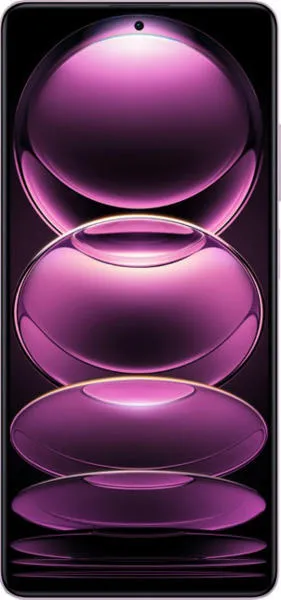
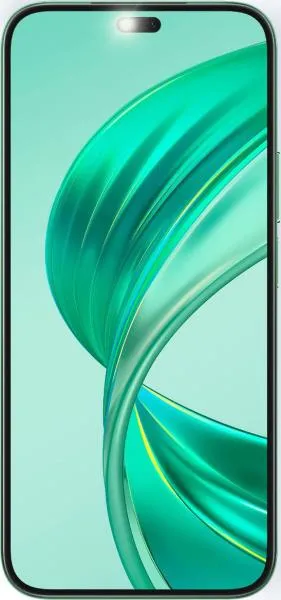
Xiaomi Redmi Note 12 Pro vs. Honor X8b: A Comparative Analysis
The mid-range smartphone market is fiercely competitive, with devices vying for attention with compelling features and aggressive pricing. Today, we'll dissect two contenders: the Xiaomi Redmi Note 12 Pro and the Honor X8b. By delving into their specifications and translating them into real-world implications, we aim to empower you to choose the device that best aligns with your needs.
1. Specifications Breakdown
| Feature | Xiaomi Redmi Note 12 Pro | Honor X8b | Real-World Implications |
|---|---|---|---|
| Design | |||
| Dimensions (mm) | 163 x 76 x 8 | 161.1 x 74.6 x 6.8 | X8b slightly more compact, potentially easier to handle |
| Weight (g) | 187 | 166 | X8b noticeably lighter for comfortable one-handed use |
| Display | |||
| Size (inches) | 6.67 | 6.7 | Negligible difference in screen real estate |
| Resolution (px) | 1080 x 2400 | 1080 x 2412 | Virtually identical sharpness |
| Type | AMOLED, 120Hz | AMOLED, 90Hz | Redmi smoother scrolling and animations; X8b potentially longer battery life |
| Peak Brightness(nits) | 900 | 2000 | X8b significantly brighter for better outdoor visibility |
| Performance | |||
| Chipset | Dimensity 1080 (6nm) | Snapdragon 680 4G (6nm) | Redmi generally faster and more powerful for demanding tasks and gaming |
| CPU | Octa-core (2x2.6 GHz A78 & 6x2.0 GHz A55) | Octa-core (4x2.4 GHz Kryo 265 & 4x1.9 GHz Kryo 265) | Redmi's higher clock speeds contribute to its performance advantage |
| GPU | Mali-G68 MC4 | Adreno 610 | Redmi superior graphics performance for gaming and visually intensive apps |
| RAM | 6/8/12GB | 6/8GB | Redmi offers a 12GB RAM option for enhanced multitasking |
| Camera | |||
| Main Camera (MP) | 50 (Sony IMX766) | 108 | Redmi likely better image quality due to larger sensor despite lower resolution; Honor higher resolution for detailed shots in good lighting |
| Video Recording | 4K@30fps, 1080p@120fps | 1080p@30fps | Redmi offers superior video recording capabilities with higher resolution and frame rates |
| Battery Life | |||
| Capacity (mAh) | 5000 | 4500 | Redmi larger battery likely translates to longer usage time |
2. Key Insights
The Redmi Note 12 Pro positions itself as the performance-oriented device. Its Dimensity 1080 chipset, coupled with faster RAM options and a superior GPU, provides a noticeable edge in handling demanding applications and games. The 120Hz AMOLED display further enhances the user experience with fluid visuals. While the 50MP main camera might seem less impressive on paper compared to the Honor's 108MP, the Redmi leverages a larger sensor (Sony IMX766) known for its excellent light capture capabilities, potentially resulting in better overall image quality.
The Honor X8b, while less powerful, emphasizes other aspects. Its lighter weight and slimmer profile contribute to a more comfortable in-hand feel. The standout feature is its incredibly bright display, peaking at 2000 nits – a significant advantage for outdoor visibility. While the Snapdragon 680 is less powerful, it's still capable of handling everyday tasks efficiently. The 108MP main camera could potentially capture highly detailed images in ideal lighting conditions.
3. User Profiles and Recommendations
Redmi Note 12 Pro: Ideal for users who prioritize performance, smooth visuals, and versatile camera capabilities. Gamers, content creators, and multitaskers would appreciate its powerful hardware and feature-rich experience.
Honor X8b: Best suited for users who value a lightweight, comfortable phone with exceptional screen brightness. Casual users, social media enthusiasts, and those who primarily use their phones for communication and web browsing would find it a suitable choice.
4. Buying Decision Framework
- What are your primary smartphone usage patterns? Heavy gaming and content creation lean towards the Redmi; casual usage favors the Honor.
- Is screen brightness a major concern? If outdoor visibility is paramount, the Honor's 2000 nit display is a clear winner.
- What's your budget? Consider the price difference between the two models and assess if the Redmi's performance premium justifies the extra cost.
My Choice: I would choose the Xiaomi Redmi Note 12 Pro. As a tech journalist who often tests demanding apps and values a smooth user experience, the Redmi's superior performance and 120Hz display are crucial. The more versatile camera system and larger battery are also significant advantages for my workflow. While I appreciate the Honor X8b's impressive screen brightness, the performance difference and overall feature set of the Redmi align better with my needs and priorities. The Sony IMX766 sensor in the Redmi is a known performer, and I prioritize image quality over sheer megapixel count. Finally, having the ability to record 4K and higher frame rate video is important to me.
