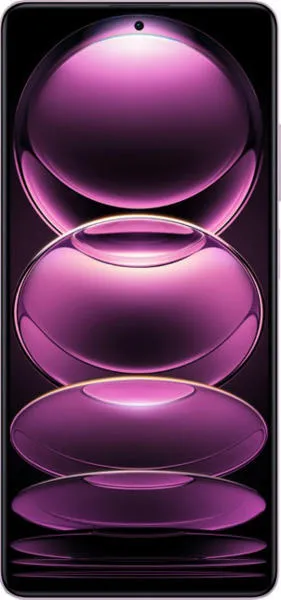
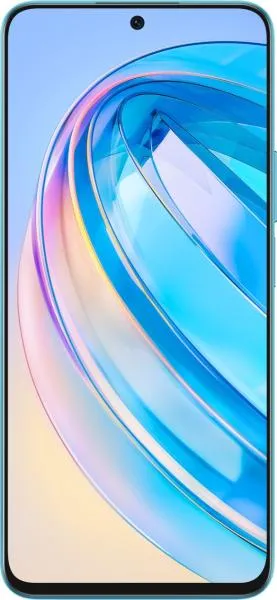
Xiaomi Redmi Note 12 Pro vs. Honor X8a: A Detailed Comparison
Let's dive deep into the specs of the Xiaomi Redmi Note 12 Pro and the Honor X8a to see which phone comes out on top. I'll break down the technical jargon into plain English, focusing on how these differences impact your daily usage.
1. Specifications Breakdown
| Feature | Xiaomi Redmi Note 12 Pro | Honor X8a | Real-World Implications |
|---|---|---|---|
| Design | |||
| Dimensions (mm) | 163 x 76 x 8 | 162.9 x 74.5 x 7.5 | Redmi is slightly larger; negligible difference in hand feel. |
| Weight (g) | 187 | 179 | Honor is slightly lighter, contributing to better one-handed use. |
| Display | |||
| Type | AMOLED | IPS LCD | Redmi offers richer colors, deeper blacks, and better power efficiency. Honor's LCD might be slightly brighter outdoors. |
| Refresh Rate (Hz) | 120 | 90 | Redmi provides smoother scrolling and animations. |
| HDR | Dolby Vision, HDR10+ | None | Redmi supports HDR content for a wider dynamic range and more vibrant visuals in compatible videos and games. |
| Performance | |||
| Chipset | Dimensity 1080 (6nm) | Helio G88 (12nm) | Redmi's processor is significantly more powerful, resulting in faster app loading, smoother multitasking, and better gaming performance. |
| CPU | Octa-core (2x2.6 GHz A78 & 6x2.0 GHz A55) | Octa-core (2x2.0 GHz A75 & 6x1.8 GHz A55) | Redmi's CPU boasts higher clock speeds and more powerful cores, leading to a noticeable performance advantage. |
| GPU | Mali-G68 MC4 | Mali-G52 MC2 | Redmi's GPU offers significantly better graphics performance for gaming and demanding applications. |
| RAM | 6/8/12GB | 6/8GB | More RAM options on the Redmi allow for better multitasking and future-proofing. |
| Camera | |||
| Main Camera (MP) | 50 (Sony IMX766) | 100 | While Honor boasts higher megapixels, Redmi uses a larger, more renowned sensor, potentially resulting in better image quality in various conditions. |
| Video Recording | 4K@30fps | 1080p@30fps | Redmi offers higher resolution video recording. |
| Battery Life | |||
| Capacity (mAh) | 5000 | 4500 | Redmi has a larger battery, likely translating to longer usage time. |
2. Key Insights
- Performance: The Redmi Note 12 Pro significantly outperforms the Honor X8a thanks to its more powerful Dimensity 1080 chipset. This translates to a smoother, faster experience across all tasks.
- Display: Redmi's AMOLED display offers vibrant colors and deep blacks, while the Honor X8a's 90Hz IPS LCD provides a smoother experience than standard 60Hz displays but lacks the color richness of AMOLED.
- Camera: The megapixel count might favor the Honor X8a, but the Redmi Note 12 Pro utilizes a superior Sony IMX766 sensor known for its excellent performance. Real-world image quality will likely be better on the Redmi, especially in low light.
- Battery: The Redmi Note 12 Pro boasts a larger battery, promising longer usage time.
3. User Profiles and Recommendations
- Redmi Note 12 Pro: Ideal for users who prioritize performance, a vibrant display, and superior camera quality. Gamers, content creators, and power users would appreciate this device.
- Honor X8a: Suitable for budget-conscious users who primarily use their phones for everyday tasks like social media, browsing, and light photography. The higher refresh rate display will still provide a smooth experience.
4. Buying Decision Framework
- What is your budget? Both phones fall in the mid-range, but specific pricing may vary.
- What are your performance needs? If you need a powerful phone for gaming or demanding apps, the Redmi Note 12 Pro is the clear winner.
- What is most important to you: display or camera? Redmi excels in both, but if a high refresh rate is your priority, the Honor X8a's 90Hz display will be appealing despite its LCD technology.
My Choice: I would choose the Xiaomi Redmi Note 12 Pro. While the Honor X8a offers a compelling 100MP camera and smooth display at a potentially lower price, the Redmi Note 12 Pro's overall package is more appealing to me. The superior processor, vibrant AMOLED display with 120Hz, larger battery, and well-regarded Sony IMX766 camera sensor make it a more well-rounded device. I prioritize a smooth, responsive user experience and overall image quality, and the Redmi Note 12 Pro delivers on those fronts. The slightly higher price would be a worthwhile investment for the significant performance and feature advantages.
