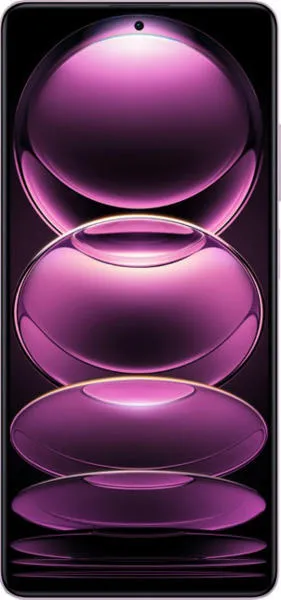
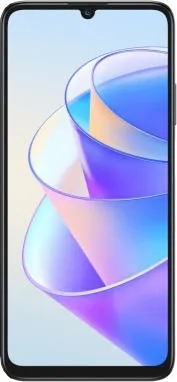
Xiaomi Redmi Note 12 Pro vs. Honor X7a: A Detailed Comparison
Let's dive into a comprehensive comparison of the Xiaomi Redmi Note 12 Pro and the Honor X7a, dissecting their specifications and uncovering what they mean for you, the user.
1. Specifications Breakdown
| Feature | Xiaomi Redmi Note 12 Pro | Honor X7a | Real-World Implications |
|---|---|---|---|
| Design | |||
| Dimensions (mm) | 163 x 76 x 8 | 167.5 x 76.9 x 8.3 | Redmi is slightly more compact and pocketable. |
| Weight (g) | 187 | 196 | Redmi feels lighter in hand. |
| Build Materials | Glass front/back | Plastic back | Redmi offers a more premium feel |
| Display | |||
| Type | AMOLED | TFT LCD | Redmi delivers richer colors, deeper blacks, and better viewing angles. |
| Size | 6.67" | 6.75" | Honor has a slightly larger screen. |
| Resolution | 1080 x 2400 | 720 x 1600 | Redmi boasts significantly sharper visuals. |
| Refresh Rate | 120Hz | - | Redmi offers smoother scrolling and animations. Honor's refresh rate is likely 60Hz, which is standard but less fluid. |
| Performance | |||
| Chipset | Dimensity 1080 (6nm) | Helio G37 (12nm) | Redmi provides significantly faster processing and graphics performance for demanding tasks and gaming. |
| CPU | Octa-core (2x2.6 GHz A78 & 6x2.0 GHz A55) | Octa-core (4x2.3 GHz A53 & 4x1.7 GHz A53) | Redmi's CPU architecture is more powerful and efficient. |
| RAM | 6/8/12GB | 4/6GB | Redmi offers more RAM options for smoother multitasking. |
| Camera | |||
| Main Camera | 50MP (Sony IMX766) | 50MP | Both have high-resolution main sensors, but Redmi's Sony sensor generally delivers better image quality. |
| Video Recording | 4K@30fps, 1080p@120fps | 1080p@30fps | Redmi offers superior video recording capabilities. |
| Battery Life | |||
| Capacity | 5000mAh | 6000mAh | Honor offers a larger battery capacity, potentially lasting longer on a single charge. However, Redmi's more efficient processor could offset this difference. |
| Other | |||
| NFC | Yes | Yes | Both support contactless payments. |
| Price Range | Mid-range | Budget to Mid-range | Redmi is positioned slightly higher in price, reflecting its superior specs. |
2. Key Insights
- Performance: The Redmi Note 12 Pro significantly outperforms the Honor X7a thanks to its more powerful Dimensity 1080 chipset, higher RAM options, and faster storage. This translates to smoother multitasking, faster app loading, and a superior gaming experience.
- Display: The Redmi's AMOLED display with a 120Hz refresh rate provides a vastly better visual experience than the Honor X7a's TFT LCD. Expect vibrant colors, deeper blacks, and incredibly fluid scrolling on the Redmi.
- Camera: While both phones boast a 50MP main camera, the Redmi Note 12 Pro is likely to produce better image quality due to its Sony IMX766 sensor, known for its excellent performance. Redmi also offers superior video recording capabilities.
- Battery: The Honor X7a packs a larger 6000mAh battery, but the Redmi Note 12 Pro's more efficient processor could result in comparable real-world battery life.
3. User Profiles and Recommendations
- Redmi Note 12 Pro: Ideal for users who prioritize performance, a premium display, and a capable camera. Gamers, content creators, and those who demand a smooth and responsive user experience will appreciate the Redmi.
- Honor X7a: Suited for budget-conscious users who primarily use their phones for basic tasks like calling, texting, social media browsing, and light photography. The large battery will appeal to those who need long-lasting battery life.
4. Buying Decision Framework
- What is your budget? The Honor X7a is more affordable.
- What are your primary phone usage patterns? If you are a heavy user who demands performance, choose the Redmi. If you are a light user who prioritizes battery life, the Honor might suffice.
- How important is display quality? The Redmi's AMOLED display is a clear winner in this category.
My Choice: I would choose the Xiaomi Redmi Note 12 Pro. While the Honor X7a offers a larger battery and a lower price, the Redmi's superior performance, stunning AMOLED display, and more capable camera system are decisive factors for me. I prioritize a smooth and responsive user experience, and the Redmi's Dimensity 1080 chipset, coupled with the 120Hz refresh rate, delivers exactly that. The difference in price is justified by the significant leap in overall quality and user experience. The slightly smaller battery is a trade-off I'm willing to make for the significant gains in other areas.
