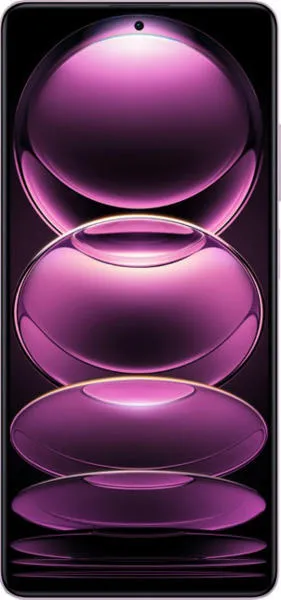

Xiaomi Redmi Note 12 Pro vs. Google Pixel 8 Pro: A Detailed Comparison
Let's dive deep into a comparative analysis of the Xiaomi Redmi Note 12 Pro and the Google Pixel 8 Pro, dissecting their technical specifications and translating them into real-world user experiences.
1. Specifications Breakdown
| Feature | Xiaomi Redmi Note 12 Pro | Google Pixel 8 Pro | Real-World Implications |
|---|---|---|---|
| Design | |||
| Dimensions (mm) | 163 x 76 x 8 | 162.6 x 76.5 x 8.8 | Pixel 8 Pro is slightly shorter, narrower, and thicker. Negligible difference in hand feel for most users. |
| Weight (g) | 187 | 213 | Pixel 8 Pro is noticeably heavier. May impact comfort during extended use. |
| Build Materials | Glass front/back, plastic frame | Aluminum frame, glass front/back | Redmi's plastic frame may feel less premium but offers better durability against drops. Pixel's aluminum offers a more premium feel but can dent. |
| Display | |||
| Display Type | AMOLED | LTPO OLED | Both offer vibrant colors and deep blacks. Pixel's LTPO allows for dynamic refresh rate, saving battery. |
| Refresh Rate (Hz) | 120 | 120 | Both offer smooth scrolling and animations. |
| Resolution | 1080 x 2400 | 1344 x 2992 | Pixel 8 Pro has a sharper display with significantly higher pixel density, resulting in crisper text and images. |
| Peak Brightness | 900 nits | 2400 nits | Pixel 8 Pro offers exceptional outdoor visibility. |
| Performance | |||
| Chipset | Mediatek Dimensity 1080 | Google Tensor G3 | Tensor G3 boasts superior AI processing and overall performance, leading to faster app launches, smoother multitasking, and enhanced gaming. |
| CPU | Octa-core (2x2.6 GHz A78 & 6x2.0 GHz A55) | Nona-core (1x3.0 GHz X3 & 4x2.45 GHz A715 & 4x2.15 GHz A510) | Pixel's more powerful CPU architecture delivers better performance. |
| RAM | 6/8/12GB | 12GB | Pixel 8 Pro offers ample RAM for demanding tasks. |
| Camera | |||
| Main Camera | 50MP | 50MP | Both have high-resolution sensors. Pixel's superior image processing likely results in better photos overall. |
| Ultrawide | 8MP | 48MP | Pixel offers much higher resolution ultrawide, capturing more detail. |
| Telephoto | No | 48MP (5x optical zoom) | Pixel has a dedicated telephoto lens with impressive optical zoom capabilities, missing entirely on the Redmi. |
| Battery Life | |||
| Battery Capacity | 5000 mAh | 5050 mAh | Similar battery capacities. Pixel's LTPO display and power-efficient Tensor chip could potentially provide longer battery life. |
2. Key Insights
- Performance: The Pixel 8 Pro significantly outperforms the Redmi Note 12 Pro due to its cutting-edge Tensor G3 chip and ample RAM. This translates to a noticeably smoother and more responsive user experience, especially in demanding tasks and gaming.
- Camera: While both phones boast a 50MP main camera, the Pixel 8 Pro pulls ahead with its superior computational photography, advanced features like Magic Eraser, and a dedicated telephoto lens for optical zoom. The Redmi Note 12 Pro lacks a dedicated telephoto lens, relying on digital zoom which results in lower quality images when zoomed in. The Pixel's ultrawide also dwarfs the Redmi's in terms of resolution and detail.
- Display: The Pixel 8 Pro's LTPO OLED display with higher resolution and peak brightness delivers a more visually immersive experience. The dynamic refresh rate contributes to extended battery life. While the Redmi's AMOLED display is good, it doesn't quite match the Pixel's brilliance.
3. User Profiles and Recommendations
- Redmi Note 12 Pro: Best suited for budget-conscious users who prioritize a solid overall experience without breaking the bank. Ideal for everyday tasks like social media, web browsing, and casual photography.
- Pixel 8 Pro: Designed for power users, photography enthusiasts, and those seeking the latest and greatest in Android innovation. Excellent for demanding tasks, mobile gaming, and capturing high-quality photos and videos.
4. Buying Decision Framework
- What is your budget? The Redmi Note 12 Pro is significantly more affordable.
- What are your primary smartphone needs? For basic tasks, the Redmi suffices. For demanding applications and photography, the Pixel excels.
- How important is software and future updates? The Pixel, being a Google phone, guarantees timely OS updates and security patches for a longer period.
My Choice: Google Pixel 8 Pro
While the Redmi Note 12 Pro offers excellent value for its price, I would choose the Google Pixel 8 Pro. The superior performance of the Tensor G3, the significantly better camera system with its telephoto lens and advanced computational photography, the brilliant LTPO display, and the promise of long-term software updates are compelling advantages. For me, the Pixel's enhanced user experience in areas that I value most – performance, camera, and display – justifies the higher price. I often use my phone for demanding tasks like photo editing and video recording, and the Pixel 8 Pro is clearly the better choice for these activities. The longer software support also ensures that the phone will remain secure and up-to-date for a longer period, making it a more worthwhile investment in the long run.
