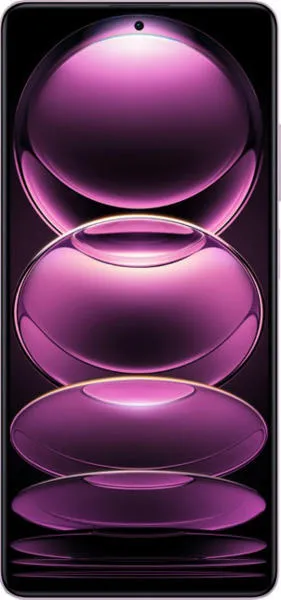
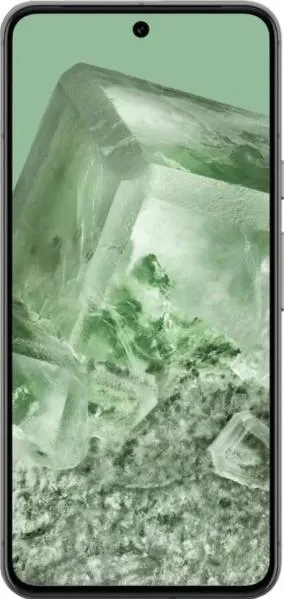
Xiaomi Redmi Note 12 Pro vs. Google Pixel 8: A Deep Dive
Let's dissect the Xiaomi Redmi Note 12 Pro and the Google Pixel 8, going beyond the spec sheet to understand what these phones offer in the real world.
1. Specifications Breakdown
| Feature | Xiaomi Redmi Note 12 Pro | Google Pixel 8 | Real-World Implications |
|---|---|---|---|
| Design | |||
| Dimensions (mm) | 163 x 76 x 8 | 150.5 x 70.8 x 8.9 | Pixel 8 is noticeably smaller and slightly thicker, potentially offering a more comfortable one-handed grip. |
| Weight (g) | 187 | 187 | Identical weight, suggesting similar in-hand feel despite size differences. |
| Build Materials | Not specified | Not specified | Lack of information prevents a detailed comparison. Assume standard glass and metal construction for both. |
| Display | |||
| Display Type | AMOLED | OLED | Both offer vibrant colors and deep blacks. OLED generally consumes less power, especially with darker content. |
| Size (inches) | 6.67 | 6.2 | Redmi Note 12 Pro provides a larger screen for media consumption, while the Pixel 8's smaller size may be preferable for portability. |
| Resolution (px) | 1080 x 2400 | 1080 x 2400 | Identical resolution, resulting in similar sharpness despite the size difference. Pixel 8 will have a slightly higher PPI. |
| Refresh Rate (Hz) | 120 | 120 | Both offer smooth scrolling and animations. |
| Peak Brightness | 900 nits | 2000 nits | Pixel 8's significantly higher peak brightness ensures superior outdoor visibility. |
| Performance | |||
| Chipset | Mediatek Dimensity 1080 | Google Tensor G3 | Tensor G3, being a newer generation chip designed by Google, is expected to offer significantly better performance and AI capabilities. |
| CPU | Octa-core (2x2.6 GHz A78 & 6x2.0 GHz A55) | Nona-core (1x3.0 GHz X3 & 4x2.45 GHz A715 & 4x2.15 GHz A510) | Tensor G3's more modern architecture and higher clock speeds indicate a substantial performance advantage. |
| GPU | Mali-G68 MC4 | Immortalis-G715s MC10 | Immortalis-G715s MC10 is expected to deliver superior graphics performance compared to the Mali-G68 MC4. |
| RAM | 6/8/12GB | 8GB | More RAM options on the Redmi Note 12 Pro, but 8GB on the Pixel 8 should be sufficient for most users. |
| Camera | |||
| Main Camera | 50MP (Sony IMX766) | 50MP (Samsung GNV) | Both utilize high-resolution sensors. Real-world image quality will depend on processing, lens quality, and software features. |
| Ultrawide | 8MP | 12MP (Sony IMX386) | Pixel 8's ultrawide likely offers better image quality and potentially macro capabilities due to the IMX386 sensor. |
| Selfie Camera | 16MP | 10.8MP (Samsung S5K3J1) | Redmi Note 12 Pro boasts a higher resolution front camera. |
| Video | 4K@30fps | 4K@60fps | Pixel 8 can record higher resolution video at higher frame rates for smoother, more detailed footage. |
| Battery Life | |||
| Capacity (mAh) | 5000 | 4575 | Redmi Note 12 Pro has a larger battery, suggesting potentially longer battery life. Real-world usage will vary. |
| Charging | Not specified | Not specified | Lack of specific charging details limits comparison, but fast charging is expected on both devices. |
2. Key Insights
- Performance: The Pixel 8, powered by the Google Tensor G3, is the clear winner in performance. Expect significantly faster speeds, smoother multitasking, and enhanced AI capabilities compared to the Redmi Note 12 Pro.
- Camera: While both phones have 50MP main cameras, the Pixel 8's superior processing, computational photography prowess (thanks to the Tensor G3), and higher quality secondary lenses likely result in better overall image and video quality.
- Display: The Pixel 8 boasts a much brighter display, making it ideal for outdoor use. While the Redmi Note 12 Pro has a slightly larger screen, the Pixel 8's OLED panel and smaller bezels might provide a more immersive viewing experience for some users.
- Battery: The Redmi Note 12 Pro's larger battery suggests longer battery life, but the Pixel 8's more power-efficient OLED display and optimized software could close the gap.
3. User Profiles and Recommendations
- Redmi Note 12 Pro: Best suited for budget-conscious users prioritizing a large display and potentially longer battery life. Good for media consumption, casual gaming, and everyday tasks.
- Pixel 8: Ideal for users who demand top-tier performance, a best-in-class camera experience, and the latest Android features and updates. Excellent for demanding tasks, mobile photography, and users who value software updates and security.
4. Buying Decision Framework
- What is your budget? The Redmi Note 12 Pro offers great value for its price, while the Pixel 8 comes at a premium.
- What are your performance needs? If you need a phone for demanding tasks, gaming, or future-proofing, the Pixel 8 is the better choice.
- How important is camera quality? The Pixel 8 is likely to deliver a superior camera experience overall.
My Choice: Google Pixel 8
While the Redmi Note 12 Pro offers impressive value, I would choose the Google Pixel 8. The Tensor G3's performance advantage, coupled with Google's commitment to software updates and AI-powered features, makes it a more compelling device in the long run. The superior camera system and brighter display further solidify its position as the better overall phone, despite the higher price. As a tech journalist, having access to the latest and greatest technology, particularly in terms of processing power and camera capabilities, is crucial for my work. The Pixel 8 better aligns with those needs.
