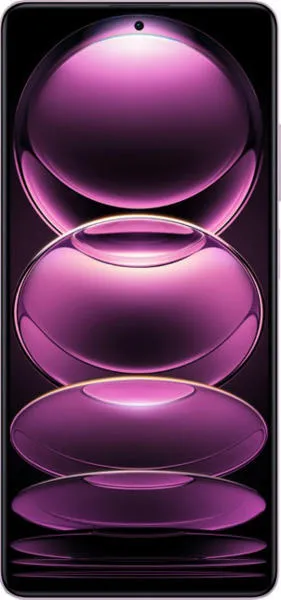
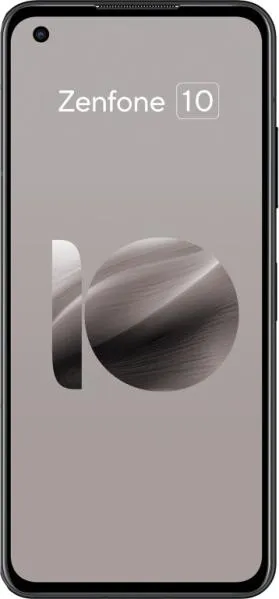
Xiaomi Redmi Note 12 Pro vs. Asus Zenfone 10: A Deep Dive
Let's cut through the marketing jargon and see how these two mid-range contenders stack up in the real world. Both the Redmi Note 12 Pro and the Zenfone 10 offer compelling features, but their strengths cater to different user profiles.
1. Specifications Breakdown
| Feature | Xiaomi Redmi Note 12 Pro | Asus Zenfone 10 | Real-World Implications |
|---|---|---|---|
| Design | |||
| Dimensions (mm) | 163 x 76 x 8 | 146.5 x 68.1 x 9.4 | Zenfone 10 significantly more compact, easier one-handed use. |
| Weight (g) | 187 | 172 | Zenfone 10 noticeably lighter, reduces hand fatigue. |
| Display | |||
| Size (inches) | 6.67 | 5.92 | Redmi Note 12 Pro: More immersive media consumption; Zenfone 10: Enhanced portability. |
| Resolution (px) | 1080 x 2400 | 1080 x 2400 | Sharp visuals on both, but Zenfone 10 slightly higher pixel density due to smaller size. |
| Refresh Rate (Hz) | 120 | 144 | Zenfone 10 smoother scrolling and animations, better for gaming. |
| Display Type | AMOLED | AMOLED | Vibrant colors, deep blacks, excellent contrast on both. |
| Performance | |||
| Chipset | Mediatek Dimensity 1080 | Snapdragon 8 Gen 2 | Zenfone 10 vastly more powerful, handles demanding tasks with ease. |
| CPU | Octa-core (2x2.6 GHz A78 & 6x2.0 GHz A55) | Octa-core (1x3.2 GHz X3 &...) | Zenfone 10 superior multi-core performance, faster app loading and multitasking. |
| GPU | Mali-G68 MC4 | Adreno 740 | Zenfone 10 significantly better graphics performance, smoother gaming. |
| RAM (GB) | 6/8/12 | 8/16 | Zenfone 10 offers more RAM in base configuration, improves multitasking and app performance. |
| Camera | |||
| Main Camera (MP) | 50 (Sony IMX766) | 50 (Sony IMX766) | Both utilize a capable sensor, image quality likely comparable. Further analysis requires real-world image comparisons. |
| Video | 4K@30fps | 8K@24fps | Zenfone 10 capable of higher resolution video recording. |
| Battery Life | |||
| Capacity (mAh) | 5000 | 4300 | Redmi Note 12 Pro likely longer battery life due to larger capacity, but Zenfone 10's more efficient chip could offset this. Real-world usage will determine the winner. |
2. Key Insights
- Performance: The Zenfone 10's Snapdragon 8 Gen 2 is a flagship-level processor, significantly outperforming the Redmi Note 12 Pro's Dimensity 1080. This translates to a noticeably smoother and faster experience in demanding tasks like gaming, video editing, and multitasking.
- Size and Portability: The Zenfone 10 is considerably smaller and lighter, making it ideal for one-handed use and pocket portability. The Redmi Note 12 Pro offers a larger display for immersive content consumption but sacrifices portability.
- Display: Both offer excellent AMOLED displays, but the Zenfone 10's 144Hz refresh rate provides a tangible advantage in smoothness for gaming and scrolling.
- Camera: Both feature the Sony IMX766 sensor, suggesting comparable image quality. However, the Zenfone 10 boasts superior video recording capabilities with 8K resolution and a 6-axis gimbal for stabilization.
3. User Profiles and Recommendations
- Redmi Note 12 Pro: Best suited for users prioritizing battery life, a large display for media consumption, and affordability. Ideal for casual users, students, and those on a tighter budget.
- Asus Zenfone 10: Ideal for power users, mobile gamers, and those who value a compact, premium device with top-tier performance and cutting-edge features. The higher price reflects the flagship-level components.
4. Buying Decision Framework
- What is your budget? The Redmi Note 12 Pro offers excellent value for its price, while the Zenfone 10 commands a premium.
- Do you prioritize performance or battery life? The Zenfone 10 excels in performance, while the Redmi Note 12 Pro likely offers longer battery life.
- Do you prefer a large screen or a compact phone? The Redmi Note 12 Pro boasts a larger display, while the Zenfone 10 is significantly more pocketable.
My Choice: Asus Zenfone 10
While the Redmi Note 12 Pro offers excellent value, I would choose the Asus Zenfone 10. As a tech journalist who frequently uses demanding apps and values a smooth, responsive experience, the Zenfone 10's Snapdragon 8 Gen 2 and 144Hz display are incredibly appealing. The compact form factor is a major plus for portability. While battery life is a concern, the efficiency of the Snapdragon 8 Gen 2 and advancements in battery technology mitigate this to an acceptable degree for my usage patterns. I'm willing to pay the premium for the significant jump in performance and the refined, pocketable design. The Zenfone 10 feels like a device designed for enthusiasts who appreciate cutting-edge technology in a practical package.
