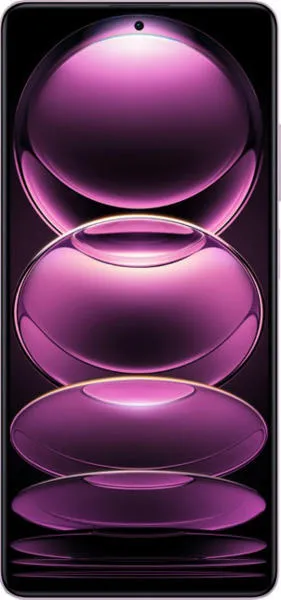
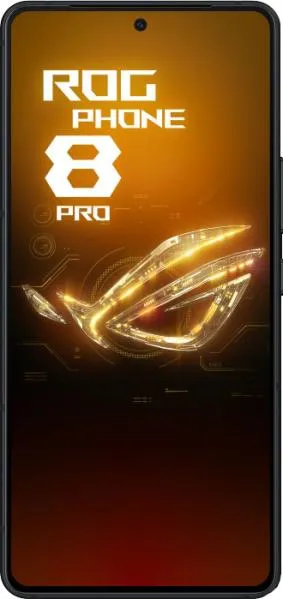
Xiaomi Redmi Note 12 Pro vs. Asus ROG Phone 8 Pro: A Deep Dive
Let's dissect the Xiaomi Redmi Note 12 Pro and the Asus ROG Phone 8 Pro, two compelling smartphones catering to different needs. We'll go beyond the spec sheet, translating technical jargon into real-world implications for you.
1. Specifications Breakdown
| Feature | Xiaomi Redmi Note 12 Pro | Asus ROG Phone 8 Pro | Real-World Implications |
|---|---|---|---|
| Design | |||
| Dimensions (mm) | 163 x 76 x 8 | 163.8 x 76.8 x 8.9 | ROG Phone 8 Pro is slightly larger and noticeably thicker. |
| Weight (g) | 187 | 225 | ROG Phone 8 Pro is significantly heavier, impacting one-handed use. |
| Display | |||
| Size (inches) | 6.67 | 6.78 | Negligible difference in screen real estate. |
| Resolution | 1080 x 2400 | 1080 x 2400 | Identical resolution, but ROG Phone 8 Pro has a slightly lower pixel density due to size. |
| Refresh Rate (Hz) | 120 | 165 | ROG Phone 8 Pro offers smoother scrolling and animations, especially in gaming. |
| Display Type | AMOLED | LTPO AMOLED | ROG Phone 8 Pro's LTPO panel allows for dynamic refresh rate, saving battery. |
| Peak Brightness | 900 nits | 2500 nits | ROG Phone 8 Pro is vastly brighter, crucial for outdoor visibility. |
| Performance | |||
| Chipset | Dimensity 1080 (6nm) | Snapdragon 8 Gen 3 (4nm) | ROG Phone 8 Pro boasts significantly higher CPU and GPU performance. |
| CPU | Octa-core (2x2.6 GHz A78 & 6x2.0 GHz A55) | Octa-core (1x3.3 GHz X4 & 3x3.2 GHz A720 & 2x3.0 GHz A720 & 2x2.3 GHz A520) | ROG Phone 8 Pro's newer architecture offers superior processing power and efficiency. |
| RAM (GB) | 6/8/12 | 16/24 | ROG Phone 8 Pro offers substantially more RAM for heavy multitasking and gaming. |
| Camera | |||
| Main Camera (MP) | 50 (Sony IMX766) | 50 (Sony IMX890) | Both use excellent Sony sensors; slight differences in tuning and processing likely. |
| Video | 4K@30fps | 8K@24fps | ROG Phone 8 Pro can record in higher resolution. |
| Battery Life | |||
| Capacity (mAh) | 5000 | 5500 | ROG Phone 8 Pro has a slightly larger battery. |
2. Key Insights
The Redmi Note 12 Pro is a well-rounded mid-range device offering a solid AMOLED display, respectable performance for everyday tasks, and a capable camera system. Its strength lies in its affordability and balanced feature set.
The ROG Phone 8 Pro, on the other hand, is a gaming powerhouse. Its cutting-edge Snapdragon 8 Gen 3 processor, abundant RAM, high refresh rate LTPO display, and superior cooling capabilities ensure a premium mobile gaming experience. It's also a strong contender for demanding tasks like video editing and content creation.
3. User Profiles and Recommendations
Redmi Note 12 Pro: Ideal for budget-conscious users, social media enthusiasts, casual gamers, and those prioritizing battery life and value for money.
ROG Phone 8 Pro: Perfect for hardcore mobile gamers, power users, content creators, and those seeking top-tier performance without compromise. The higher price tag reflects its premium features.
4. Buying Decision Framework
- What's your budget? The Redmi Note 12 Pro is significantly more affordable.
- What are your primary use cases? Gaming and demanding tasks favor the ROG Phone 8 Pro; everyday use favors the Redmi Note 12 Pro.
- How important is battery life? While the ROG Phone 8 Pro has a larger battery, its powerful hardware might drain it faster under heavy load. The Redmi Note 12 Pro, with its less demanding components and 120Hz display could potentially offer longer battery life with moderate use.
My Choice: Asus ROG Phone 8 Pro
While the Redmi Note 12 Pro offers excellent value, I would choose the ROG Phone 8 Pro. As a tech enthusiast who appreciates cutting-edge performance and smooth user experiences, the ROG Phone 8 Pro's superior hardware, especially the Snapdragon 8 Gen 3 and the 165Hz LTPO display, is incredibly appealing. I often push my devices to their limits with multitasking, content creation, and occasional gaming, and the ROG Phone 8 Pro is built to handle it all effortlessly. The significantly brighter display is also a major draw for me. While the price is higher, the substantial performance leap and future-proofing justify the investment for my needs. The extra RAM ensures smooth multitasking even a year or two down the line. I'm willing to carry the extra weight and pay the premium for a device that delivers a truly flagship experience.
