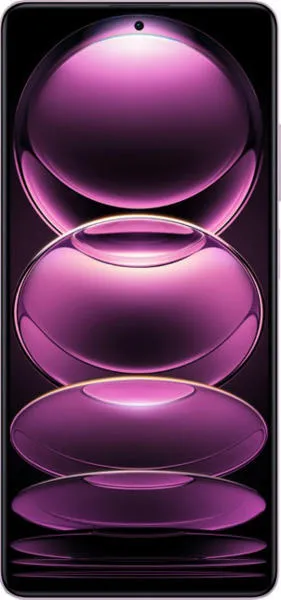
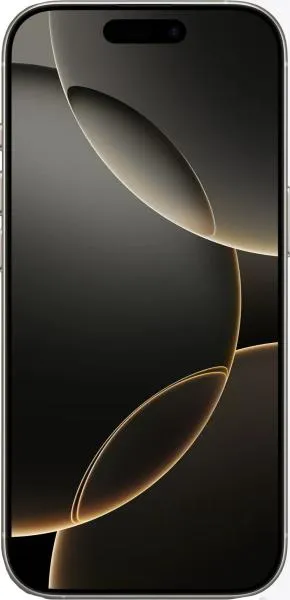
Xiaomi Redmi Note 12 Pro vs. Apple iPhone 16 Pro: A Deep Dive
Let's dissect the Xiaomi Redmi Note 12 Pro and the Apple iPhone 16 Pro, cutting through the marketing jargon to see how these phones stack up in the real world.
1. Specifications Breakdown
| Feature | Xiaomi Redmi Note 12 Pro | Apple iPhone 16 Pro | Real-World Implications |
|---|---|---|---|
| Design | |||
| Dimensions (mm) | 163 x 76 x 8 | 149.6 x 71.5 x 8.3 | iPhone 16 Pro is noticeably smaller and slightly thinner, making it more pocketable. |
| Weight (g) | 187 | 199 | Redmi is lighter, but the weight difference is minimal in practical use. |
| Build Materials | Glass front/back, plastic frame | Glass front/back, stainless steel frame | iPhone's stainless steel frame offers superior durability and premium feel. |
| Display | |||
| Size (inches) | 6.67 | 6.3 | Redmi offers a larger screen for more immersive media consumption. |
| Resolution (px) | 1080 x 2400 | 1206 x 2622 | iPhone boasts a sharper display with higher pixel density (460 ppi vs 395 ppi). |
| Type | AMOLED | LTPO Super Retina XDR OLED | Both offer vibrant colors and deep blacks, but iPhone's LTPO panel allows for dynamic refresh rate, saving battery. |
| Refresh Rate (Hz) | 120 | 120 | Both offer smooth scrolling and animations. |
| Peak Brightness(nits) | 900 | 2000 | iPhone's significantly higher peak brightness ensures better visibility in direct sunlight. |
| Performance | |||
| Chipset | Mediatek Dimensity 1080 | Apple A18 Pro | A18 Pro offers significantly faster CPU and GPU performance for demanding tasks and gaming. |
| CPU | Octa-core | Hexa-core | Core count doesn't directly equate to performance; A18's architecture and optimization are superior. |
| RAM (GB) | 6/8/12 | 8 | While Redmi offers higher RAM configurations, iOS's memory management makes 8GB ample for the iPhone. |
| Camera | |||
| Main Camera (MP) | 50 MP Sony IMX766 | 48 MP Sony IMX903 | Both sensors are high-quality, but the IMX903 likely has larger individual pixels for better low-light performance. |
| Ultrawide (MP) | 8 | 48 Sony IMX972 | iPhone 16 Pro's ultrawide boasts significantly higher resolution. |
| Telephoto (MP) | N/A | 12 MP Sony IMX913 | iPhone offers optical zoom for clearer distant shots. |
| Video | 4K@30fps | 4K@120fps | iPhone can capture smoother and more detailed slow-motion videos. |
| Battery Life | |||
| Capacity (mAh) | 5000 | 3582 | Redmi has a much larger battery capacity, suggesting longer battery life. |
| Charging | 67W wired | proprietary fast charging | Redmi likely charges faster due to higher wattage. |
2. Key Insights
- Performance: The iPhone 16 Pro, with its A18 Pro chip, will deliver a significant performance advantage, especially in demanding tasks and gaming. The Redmi Note 12 Pro offers respectable mid-range performance, but it won't match the iPhone's raw power.
- Camera: Both phones boast capable camera systems. While Redmi uses a higher resolution main sensor, the iPhone 16 Pro is likely to excel in overall image quality, especially in low light, thanks to its advanced image processing and potentially larger sensor size on the IMX903. The iPhone's dedicated telephoto lens also provides optical zoom capabilities.
- Display: Both displays are excellent. However, the iPhone 16 Pro's LTPO panel allows for dynamic refresh rate adjustment, potentially saving battery life. Its higher peak brightness makes it more usable outdoors. Redmi's larger display provides a more immersive experience for media consumption.
- Battery Life: The Redmi Note 12 Pro's substantially larger battery should translate to noticeably longer usage time. The iPhone 16 Pro, while having a smaller battery, benefits from iOS's power efficiency.
3. User Profiles and Recommendations
- Redmi Note 12 Pro: Best suited for budget-conscious users who prioritize battery life and a large display. Ideal for media consumption, social media, and everyday tasks. Gamers on a budget might find it appealing but should temper expectations regarding performance.
- iPhone 16 Pro: Best suited for users who demand top-tier performance, a premium design, and a cutting-edge camera system. Ideal for power users, mobile gamers, photographers, and videographers.
4. Buying Decision Framework
- What's your budget? The Redmi Note 12 Pro offers excellent value for its price, while the iPhone 16 Pro commands a premium.
- What are your performance needs? For demanding tasks and gaming, the iPhone 16 Pro is the clear winner. For everyday use, the Redmi is more than sufficient.
- What features are most important to you? Prioritize battery life? Choose the Redmi. Prioritize camera quality and performance? Choose the iPhone.
My Choice: Apple iPhone 16 Pro
While the Redmi Note 12 Pro offers impressive value, I would choose the iPhone 16 Pro. As a tech journalist focused on long-term value, the iPhone's superior performance, premium build quality, consistently excellent camera system, and the robust iOS ecosystem are compelling. The smoother performance and software updates ensure a longer usable lifespan, justifying the higher initial investment. While battery life might be a concern, I prioritize the overall user experience and longevity that the iPhone 16 Pro offers. Having a device that can handle demanding tasks without slowdown and capture stunning photos and videos is crucial for my work.
