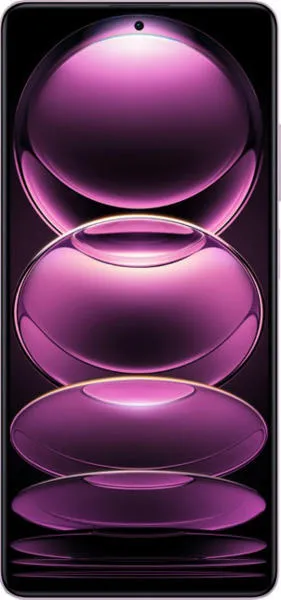
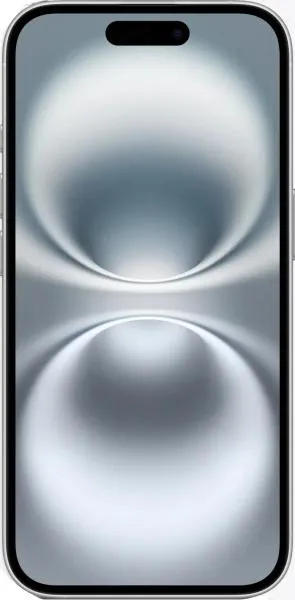
Xiaomi Redmi Note 12 Pro vs. Apple iPhone 16: A Deep Dive
Let's dissect the Xiaomi Redmi Note 12 Pro and the Apple iPhone 16, cutting through the marketing fluff to see how these devices stack up in the real world.
1. Specifications Breakdown
| Feature | Xiaomi Redmi Note 12 Pro | Apple iPhone 16 | Real-World Implications |
|---|---|---|---|
| Design | |||
| Dimensions (mm) | 163 x 76 x 8 | 147.6 x 71.6 x 7.8 | iPhone 16 is noticeably smaller and lighter, making it more pocketable. |
| Weight (g) | 187 | 170 | Lighter iPhone contributes to better one-handed use and reduced fatigue. |
| Build Materials | Glass front/back, plastic frame | Glass front/back, aluminum frame | iPhone's aluminum frame generally offers better durability and premium feel. |
| Display | |||
| Size (inches) | 6.67 | 6.1 | Redmi's larger display offers more immersive content consumption but might be less one-hand friendly. |
| Resolution (px) | 1080 x 2400 | 1179 x 2556 | iPhone boasts a sharper display with higher pixel density, resulting in crisper text and images. |
| Type | AMOLED | OLED | Both offer vibrant colors and deep blacks; subtle differences in quality might exist. |
| Refresh Rate (Hz) | 120 | - | Redmi's 120Hz provides smoother scrolling and animations, enhancing perceived performance. |
| Peak Brightness(nits) | 900 | 2000 | iPhone 16's significantly higher peak brightness ensures superior outdoor visibility. |
| Performance | |||
| Chipset | Mediatek Dimensity 1080 | Apple A18 | A18 is expected to significantly outperform the Dimensity 1080 in raw processing power and graphics. |
| CPU | Octa-core (2x2.6 GHz A78 & 6x2.0 GHz A55) | Hexa-core | A18's architecture and higher clock speeds translate to faster app launches, smoother multitasking, and better gaming performance. |
| GPU | Mali-G68 MC4 | Apple GPU (5-core) | Apple's custom GPU consistently delivers exceptional graphics performance. |
| RAM (GB) | 6/8/12 | 8 | More RAM in some Redmi variants can aid multitasking, but iOS's memory management often negates this advantage. |
| Camera | |||
| Main Camera (MP) | 50 MP (Sony IMX766) | 48 MP (Sony IMX904) | Both sensors are high-quality; real-world image quality will depend on processing and software. |
| Ultrawide (MP) | 8 MP | 12 MP | iPhone's ultrawide offers higher resolution. |
| Selfie (MP) | 16 MP | 12 MP | Redmi has a higher resolution selfie camera on paper. |
| Video | 4K@30fps | 4K@60fps with HDR/Dolby Vision | iPhone offers higher resolution and frame rate video recording with advanced HDR capabilities. |
| Battery Life | |||
| Capacity (mAh) | 5000 | 3561 | Redmi's larger battery likely translates to longer usage time on a single charge. |
2. Key Insights
- Performance: The iPhone 16, with its A18 chip, will likely deliver a significant performance advantage over the Redmi Note 12 Pro. This translates to smoother gaming, faster app loading, and more responsive multitasking.
- Display: While both phones use high-quality display technology, the iPhone 16 edges out the Redmi with a sharper screen and a much brighter display for outdoor use. Redmi's high refresh rate, however, makes day-to-day interactions feel smoother.
- Camera: Both phones pack capable camera systems. Determining the "better" camera will require real-world comparisons, as image quality heavily relies on software processing. iPhone's video capabilities are demonstrably superior.
- Battery: The Redmi Note 12 Pro's larger battery capacity suggests longer battery life. However, Apple's optimized software and hardware could potentially bridge the gap.
3. User Profiles and Recommendations
- Redmi Note 12 Pro: Best suited for budget-conscious users who prioritize a large display, long battery life, and a good overall value proposition. Ideal for media consumption, casual gaming, and everyday tasks.
- iPhone 16: Best for users who demand top-tier performance, a premium user experience, and a highly capable camera system. Ideal for demanding tasks, mobile gaming, content creation, and users entrenched in the Apple ecosystem.
4. Buying Decision Framework
- What's your budget? The Redmi Note 12 Pro offers excellent value for its price, while the iPhone 16 commands a premium.
- What are your performance needs? For demanding tasks and gaming, the iPhone 16 is the clear winner.
- Which ecosystem do you prefer? Consider your existing devices and services when choosing between Android and iOS.
My Choice
If I were choosing between these two, I would opt for the iPhone 16. While the Redmi Note 12 Pro offers a compelling value proposition, the iPhone 16's superior performance, refined software experience, expected camera performance, and brighter display are more aligned with my priorities. As a tech journalist, having access to the latest and greatest processing power for testing apps and workflows is crucial. The ecosystem integration with my other Apple devices is also a significant factor. While the Redmi might offer longer battery life, I'm willing to sacrifice a bit of endurance for a significant boost in performance and overall user experience.
