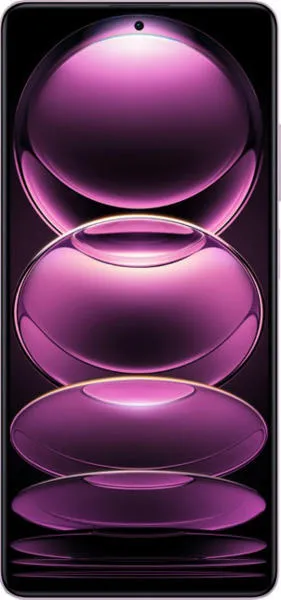
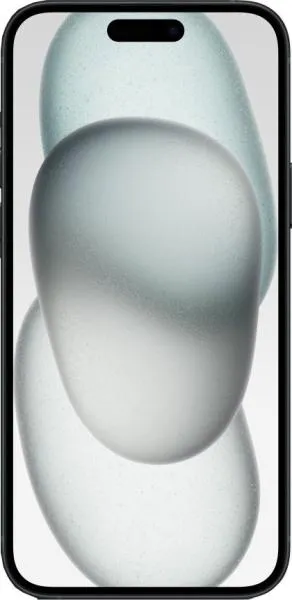
Xiaomi Redmi Note 12 Pro vs. Apple iPhone 15 Plus: A Deep Dive
Let's dissect the Xiaomi Redmi Note 12 Pro and the Apple iPhone 15 Plus, going beyond the spec sheet to understand what these phones offer in the real world.
1. Specifications Breakdown
| Feature | Xiaomi Redmi Note 12 Pro | Apple iPhone 15 Plus | Real-World Implications |
|---|---|---|---|
| Design | |||
| Dimensions (mm) | 163 x 76 x 8 | 160.9 x 77.8 x 7.8 | iPhone 15 Plus is slightly smaller and thinner. Negligible difference in hand feel. |
| Weight (g) | 187 | 201 | Redmi Note 12 Pro is noticeably lighter, reducing hand fatigue during extended use. |
| Build Materials | Glass front/back, plastic frame | Glass front/back, aluminum frame | iPhone's aluminum frame generally offers better durability. |
| Display | |||
| Size (inches) | 6.67 | 6.7 | Virtually identical screen real estate. |
| Resolution (px) | 1080 x 2400 | 1290 x 2796 | iPhone 15 Plus boasts sharper visuals due to higher resolution and pixel density (460 ppi vs. 395 ppi). |
| Display Type | AMOLED, 120Hz | Super Retina XDR OLED | Both offer vibrant colors and deep blacks. iPhone 15 Plus likely has a brighter display with HDR peaks at 2000 nits |
| Refresh Rate | 120Hz | Unknown | 120Hz on Redmi provides smoother scrolling and animations. Lack of refresh rate data for the iPhone 15 Plus is notable. |
| Performance | |||
| Chipset | Mediatek Dimensity 1080 | Apple A16 Bionic | A16 is significantly more powerful, resulting in faster app launches, smoother multitasking, and better gaming. |
| CPU | Octa-core | Hexa-core | Core count difference is less important than architectural efficiency, where Apple excels. |
| GPU | Mali-G68 MC4 | Apple GPU (5-core) | Apple's GPU delivers superior graphics performance for demanding games and applications. |
| RAM | 6/8/12GB | 6GB | RAM difference is less impactful on iOS than Android but 12GB option on Redmi allows for aggressive multitasking. |
| OS | Android 12 | iOS 17 | Different operating systems cater to different preferences and ecosystems. |
| Camera | |||
| Main Camera (MP) | 50 MP, Sony IMX766 | 48 MP | Both utilize high-quality sensors. Real-world image quality depends on processing, which is a strength for Apple. |
| DxOMark Score | 102 | 145 | iPhone 15 Plus significantly outperforms in DxOMark benchmarks, suggesting superior overall image quality. |
| Video | 4K@30fps | 4K@60fps with HDR | iPhone offers higher resolution and frame rate video recording with HDR. |
| Battery Life | |||
| Capacity (mAh) | 5000 | 4383 | Redmi Note 12 Pro has a larger battery capacity, potentially translating to longer usage time. Actual battery life will vary based on usage. |
2. Key Insights
- Performance: The iPhone 15 Plus, powered by the A16 Bionic chip, is a performance powerhouse. The Redmi Note 12 Pro, while capable, lags behind significantly in raw processing power.
- Camera: While megapixel counts are close, the iPhone 15 Plus is expected to deliver superior image quality due to Apple's advanced image processing. The higher DxOMark score reinforces this.
- Display: Both phones offer excellent displays. The iPhone 15 Plus edges out the Redmi with a slightly sharper screen and likely a much brighter display for HDR content. The lack of confirmed refresh rate data on the iPhone is a significant omission.
- Battery: The Redmi Note 12 Pro boasts a larger battery, but real-world battery life depends on optimization. Apple's iOS is known for its power efficiency.
- Software: iOS and Android offer distinct experiences. iOS is known for its simplicity and tight integration, while Android allows for greater customization.
3. User Profiles and Recommendations
- Redmi Note 12 Pro: Best suited for budget-conscious users who prioritize a large battery, a smooth 120Hz display, and a good overall value proposition. Ideal for everyday tasks, media consumption, and casual gaming.
- iPhone 15 Plus: Best for users who demand top-tier performance, a premium camera experience, and seamless integration within the Apple ecosystem. Ideal for power users, content creators, and mobile gamers.
4. Buying Decision Framework
- What is your budget? The Redmi Note 12 Pro is significantly more affordable.
- What is your priority? Performance and camera? Choose the iPhone 15 Plus. Battery life and value? The Redmi Note 12 Pro might be a better fit.
- What ecosystem are you invested in? If you already use Apple products, the iPhone integrates seamlessly.
My Choice
If I were choosing between these two, I would opt for the iPhone 15 Plus. While the Redmi Note 12 Pro offers excellent value, I prioritize the long-term performance, superior camera system, and the cohesive Apple ecosystem. The significantly faster processor and higher quality camera are major deciding factors for me. I often push my devices hard with demanding tasks and content creation, and the A16 Bionic chip in the iPhone 15 Plus provides the necessary headroom for a smooth, future-proof experience. While the price difference is substantial, the performance gap and expected longevity of the iPhone make it the better investment in the long run.
