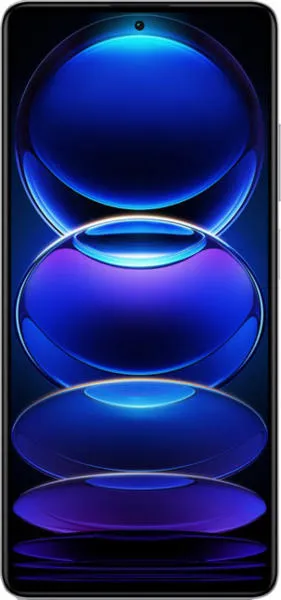
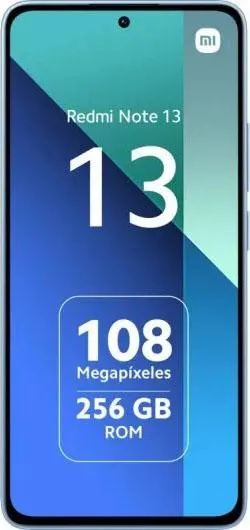
Xiaomi Redmi Note 12 Pro+ vs. Xiaomi Redmi Note 13 4G: A Deep Dive
Hello tech enthusiasts! Alex Griffin here, ready to dissect the Xiaomi Redmi Note 12 Pro+ and the newer Redmi Note 13 4G. We'll go beyond the spec sheet to uncover what these phones offer in real-world use. Let's dive in!
1. Specifications Breakdown
| Feature | Xiaomi Redmi Note 12 Pro+ | Xiaomi Redmi Note 13 4G | Real-World Implications |
|---|---|---|---|
| Design | |||
| Dimensions (mm) | 162.9 x 76 x 8.9 | 162.3 x 75.6 x 8 | Note 13 4G is slightly thinner and lighter. |
| Weight (g) | 208.4 | 188.5 | Noticeable difference in hand feel; Note 13 4G more comfortable for extended use. |
| Display | |||
| Size (inches) | 6.67 | 6.67 | Identical screen real estate. |
| Resolution (px) | 1080 x 2400 | 1080 x 2400 | Same sharpness; no discernible difference in visual clarity. |
| Type | OLED | AMOLED | Both offer vibrant colors and deep blacks. Note 12 Pro+ boasts Dolby Vision and HDR10+ for superior dynamic range in supported content. |
| Refresh Rate (Hz) | 120 | 120 | Smooth scrolling and animations on both. |
| Peak Brightness(nits) | 900 | 1800 | Note 13 4G significantly brighter; excellent outdoor visibility. |
| Performance | |||
| Chipset | MediaTek Dimensity 1080 | Snapdragon 685 | Dimensity 1080 generally offers better gaming and multitasking performance. |
| CPU | Octa-core (2x2.6 GHz A78 & 6x2.0 GHz A55) | Octa-core (4x2.8 GHz A73 & 4x1.9 GHz A53) | Note 13 4G has faster clock speeds on performance cores, but Dimensity 1080 may be better in sustained performance. |
| GPU | Mali-G68 MC4 | Adreno 610 | Mali-G68 MC4 generally provides a smoother gaming experience. |
| RAM (GB) | 8 | 8 | Sufficient for most tasks; multitasking should be smooth on both. |
| Camera | |||
| Main Camera (MP) | 200 | 108 | Note 12 Pro+ boasts higher resolution; potentially more detail in good lighting. |
| Video Recording | 4K@30fps, 720p@960fps | 1080p@30fps | Note 12 Pro+ offers superior video resolution and slow-motion capabilities. |
| DXOMark Score | 113 | 75 | Significant difference; Note 12 Pro+ likely offers a notably better overall camera experience. |
| Battery Life | |||
| Capacity (mAh) | 5000 | 5000 | Similar battery capacity suggests comparable longevity. |
2. Key Insights
- Performance: While the Redmi Note 13 4G has a newer CPU architecture, the Dimensity 1080 in the Note 12 Pro+ generally benchmarks higher in graphics and sustained performance, making it better for demanding tasks and gaming.
- Display: Both phones have 120Hz AMOLED displays, but the Note 13 4G shines brighter, literally, making it easier to use outdoors. However, the Note 12 Pro+ supports HDR10+ and Dolby Vision, providing a richer viewing experience for compatible content.
- Camera: The Note 12 Pro+ significantly outperforms the Note 13 4G in camera capabilities, offering a higher resolution main sensor, 4K video recording, and a much higher DXOMark score.
- Software: The Note 13 4G ships with a newer version of Android and is likely to receive longer software updates.
3. User Profiles and Recommendations
- Redmi Note 12 Pro+: For users prioritizing camera quality, gaming performance, and a premium display experience with HDR support, even if it means potentially shorter software support duration.
- Redmi Note 13 4G: Best suited for users who value a bright display for outdoor use, longer software updates, and a lighter, thinner phone. Camera enthusiasts and mobile gamers might find it lacking compared to the Note 12 Pro+.
4. Buying Decision Framework
- What's your budget? The Redmi Note 13 4G is generally more affordable.
- Is camera quality a top priority? If so, the Note 12 Pro+ is the clear winner.
- Do you need the absolute best performance or a brighter display for outdoor use? The Note 12 Pro+ excels in performance, while the Note 13 4G boasts superior brightness.
My Choice: Xiaomi Redmi Note 12 Pro+
If I were choosing between these two, I'd go with the Redmi Note 12 Pro+. The superior camera and overall performance are significant factors for me. I often capture photos and videos, and I appreciate the versatility and quality offered by the 200MP sensor and 4K recording. While the brighter screen of the Note 13 4G is tempting, the Note 12 Pro+'s HDR support is more valuable to my viewing habits. The slightly heavier build is a trade-off I'm willing to make for the performance and camera advantages. Ultimately, it boils down to personal priorities, but for my needs, the Note 12 Pro+ offers a more compelling package.
