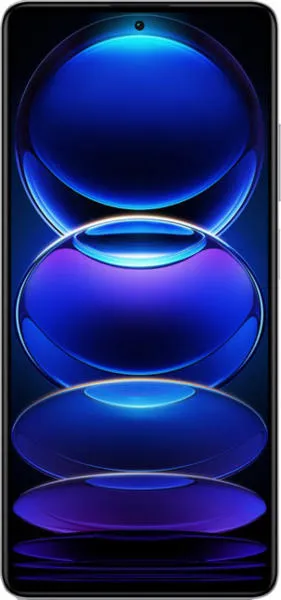
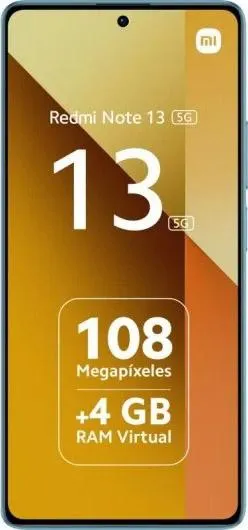
Xiaomi Redmi Note 12 Pro+ vs. Xiaomi Redmi Note 13: A Deep Dive
Let's dissect the Redmi Note 12 Pro+ and the newer Redmi Note 13, cutting through the spec sheets to see what really matters for you, the user.
1. Specifications Breakdown
| Feature | Xiaomi Redmi Note 12 Pro+ | Xiaomi Redmi Note 13 | Real-World Implications |
|---|---|---|---|
| Design | |||
| Dimensions (mm) | 162.9 x 76 x 8.9 | 161.1 x 75 x 7.6 | Note 13 is slightly smaller and significantly thinner, potentially improving one-handed use. |
| Weight (g) | 208.4 | 174.5 | Note 13 is noticeably lighter, reducing fatigue during extended use. |
| Display | |||
| Size (inches) | 6.67 | 6.67 | Identical screen sizes offer ample viewing space on both devices. |
| Resolution (px) | 1080 x 2400 | 1080 x 2400 | Both have sharp Full HD+ displays. |
| Type | OLED | AMOLED | Both offer vibrant colors and deep blacks. Note 12 Pro+ boasts Dolby Vision and HDR10+ for superior dynamic range in compatible content. |
| Refresh Rate (Hz) | 120 | 120 | Both ensure smooth scrolling and animations. |
| Performance | |||
| Chipset | Dimensity 1080 (6nm) | Dimensity 6080 (6nm) | Note 12 Pro+ likely has a slight edge in raw processing power, especially in graphics. |
| CPU | 2x2.6 GHz A78, 6x2.0 GHz A55 | 2x2.4 GHz A76, 6x2.0 GHz A55 | While core counts are similar, architectural differences might give Note 12 Pro+ a performance advantage. Real-world differences may be minimal for average users. |
| GPU | Mali-G68 MC4 | Mali-G57 MC2 | Note 12 Pro+ likely offers better gaming performance. |
| RAM | 8GB | 8GB/12GB | Note 13 offers a 12GB RAM option for enhanced multitasking. |
| Camera | |||
| Main Sensor (MP) | 200MP (Samsung HPX) | 108MP (Samsung HM6) | Both offer high-resolution sensors, but image quality depends on factors beyond megapixel count. Note 12 Pro+ uses a larger sensor (1/1.4") compared to Note 13 (1/1.67"), potentially capturing more light and detail. |
| Video | Up to 4K@30fps, 720p@960fps | Up to 1080p@30fps | Note 12 Pro+ offers superior video recording capabilities including 4K resolution and 960fps slow-motion. |
| Battery | |||
| Capacity (mAh) | 5000 | 5000 | Both offer similar battery capacities, suggesting comparable longevity. |
2. Key Insights
- Performance: The Redmi Note 12 Pro+ likely boasts a performance advantage due to its Dimensity 1080 chipset. However, for everyday tasks like browsing and social media, the Note 13's Dimensity 6080 should be more than sufficient. The 12GB RAM option on the Note 13 is a boon for heavy multitaskers.
- Camera: While megapixel counts differ, real-world image quality will likely be nuanced. The Note 12 Pro+'s larger sensor might provide better low-light performance and dynamic range. Crucially, the Note 12 Pro+ offers significantly better video recording features.
- Display: Both phones boast excellent AMOLED displays with 120Hz refresh rates. However, the Note 12 Pro+'s support for Dolby Vision and HDR10+ gives it a clear edge in multimedia consumption.
- Design: The Redmi Note 13 is thinner and lighter, making it more comfortable for extended use and one-handed operation.
3. User Profiles and Recommendations
- Redmi Note 12 Pro+: Ideal for users prioritizing camera performance, particularly video recording, and a premium display experience for watching movies and shows. Mobile gamers will also appreciate the more powerful GPU.
- Redmi Note 13: Well-suited for budget-conscious users who value a lightweight and slim design. It offers excellent battery life and a smooth display experience for everyday tasks. The 12GB RAM option caters to power users who frequently multitask.
4. Buying Decision Framework
- What is your budget? The Redmi Note 13 is positioned as a more affordable option.
- Is camera quality a top priority, specifically video? The Redmi Note 12 Pro+ significantly outperforms the Note 13 in this area.
- Do you value a lightweight and slim design? The Redmi Note 13 is the clear winner here.
My Choice: The Redmi Note 12 Pro+
While the Redmi Note 13 offers a compelling package, I'd choose the Redmi Note 12 Pro+. The superior camera system, especially the video capabilities and larger sensor size, is a significant factor for me. Additionally, the Dolby Vision and HDR10+ support on the Pro+'s display enhances my multimedia consumption, which I highly value. The slightly higher price is justified for these tangible benefits in my daily usage. While I appreciate the lighter weight of the Note 13, the camera and display advantages of the 12 Pro+ outweigh the design benefits for my personal needs.
