
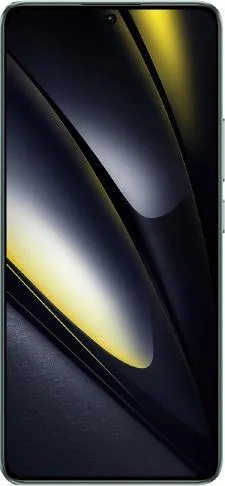
Xiaomi Redmi Note 12 Pro+ vs. Xiaomi Poco F6: A Deep Dive
Let's dissect the Xiaomi Redmi Note 12 Pro+ and the Poco F6, two compelling mid-range contenders, to see which phone reigns supreme.
1. Specifications Breakdown
| Feature | Xiaomi Redmi Note 12 Pro+ | Xiaomi Poco F6 | Real-World Implications |
|---|---|---|---|
| Design | |||
| Dimensions (mm) | 162.9 x 76 x 8.9 | 160.5 x 74.5 x 8 | Poco F6 is slightly more compact and lighter. |
| Weight (g) | 208.4 | 179 | Noticeable difference in hand feel; Poco F6 will feel less bulky. |
| Display | |||
| Size (inches) | 6.67 | 6.67 | Same screen real estate. |
| Resolution (px) | 1080 x 2400 | 1220 x 2712 | Poco F6 boasts sharper visuals due to higher resolution. |
| Panel Type | OLED | AMOLED | Both offer vibrant colors and deep blacks. |
| Refresh Rate (Hz) | 120 | 120 | Smooth scrolling and animations on both. |
| Peak Brightness (nits) | 900 | 2400 | Poco F6 excels in outdoor visibility. |
| Performance | |||
| Chipset | Dimensity 1080 (6nm) | Snapdragon 8s Gen 3 (4nm) | Poco F6 significantly more powerful, enabling smoother multitasking and demanding gaming. |
| CPU | Octa-core (2x2.6 GHz A78 & 6x2.0 GHz A55) | Octa-core (1x3.0 GHz X4 & 4x2.8 GHz A720 & 3x2.0 GHz A520) | Poco F6's newer architecture delivers superior performance. |
| GPU | Mali-G68 MC4 | Adreno 735 | Poco F6 handles graphics-intensive tasks with greater ease. |
| RAM (GB) | 8 | 8 | Base RAM is the same; multitasking should be similar on both with comparable RAM configurations. |
| Camera | |||
| Main Camera (MP) | 200 | 50 | Redmi Note 12 Pro+ boasts higher megapixels, but Poco F6 utilizes a newer Sony IMX882 sensor, potentially offering better image quality overall. Requires real-world testing to determine true performance. |
| Selfie Camera (MP) | 16 | 20 | Poco F6 has a slightly higher resolution selfie camera. |
| Video Recording | 4K@30fps | 8K Video Recording | Poco F6 capable of higher resolution video recording. |
| Battery Life | |||
| Capacity (mAh) | 5000 | 5000 | Similar battery capacity suggests comparable longevity. Requires real-world testing. |
2. Key Insights
The Redmi Note 12 Pro+ focuses on a high-megapixel camera and a vibrant display. Its strength lies in content consumption and casual photography.
The Poco F6, however, is a performance beast. Its cutting-edge Snapdragon 8s Gen 3 processor, coupled with a sharper display and robust video recording capabilities, positions it as a multimedia powerhouse.
Trade-offs: The Redmi Note 12 Pro+ might offer a slightly better value proposition due to its lower price point, but sacrifices raw performance. The Poco F6 prioritizes speed and future-proofing but comes at a premium.
3. User Profiles and Recommendations
Redmi Note 12 Pro+: Ideal for users who prioritize a good display, long battery life, and a high-resolution camera for social media sharing. Budget-conscious users who don't engage in heavy gaming or demanding tasks will find this phone appealing.
Poco F6: Perfect for power users, mobile gamers, and content creators. Those who value top-tier performance, a sharp display, and excellent video recording capabilities will appreciate this device.
4. Buying Decision Framework
- What is your budget? The Redmi Note 12 Pro+ offers great value for its price. If budget is a primary concern, this is the more sensible option.
- How important is raw performance? If you need a phone that can handle demanding games and multitasking without breaking a sweat, the Poco F6 is the clear winner.
- What are your primary use cases? For everyday tasks, social media, and casual photography, the Redmi Note 12 Pro+ suffices. For gaming, content creation, and future-proofing, the Poco F6 is superior.
My Choice: The Poco F6
While the Redmi Note 12 Pro+ is a solid device, I would choose the Poco F6. The significantly more powerful processor, sharper display with incredible peak brightness, and potential for superior image quality (pending real-world reviews of the camera), outweigh the price difference for me. As a tech enthusiast, I value future-proofing and having headroom for demanding tasks and emerging mobile experiences. The Poco F6's superior performance ensures a smoother, more responsive experience in the long run. It's an investment in a device that will remain capable for a longer period.
