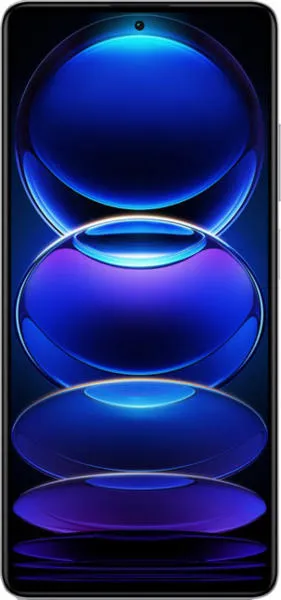
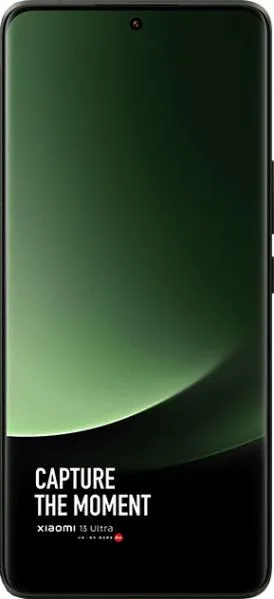
Xiaomi Redmi Note 12 Pro+ vs. Xiaomi 13 Ultra: A Deep Dive
Let's dissect the Xiaomi Redmi Note 12 Pro+ and the Xiaomi 13 Ultra, two phones vying for your attention, but catering to distinctly different needs and budgets.
1. Specifications Breakdown
| Feature | Xiaomi Redmi Note 12 Pro+ | Xiaomi 13 Ultra | Real-World Implications |
|---|---|---|---|
| Design | |||
| Dimensions (mm) | 162.9 x 76 x 8.9 | 163.2 x 74.6 x 9.1 | 13 Ultra slightly larger, thicker, and heavier. Negligible difference in daily handling. |
| Weight (g) | 208.4 | 227 | 13 Ultra noticeably heavier; prolonged use might cause fatigue. |
| Display | |||
| Size (inches) | 6.67 | 6.73 | Virtually identical screen real estate. |
| Resolution | 1080 x 2400 | 1440 x 3200 | 13 Ultra significantly sharper; noticeable difference in text clarity, image detail, and gaming. |
| Panel Type | OLED | LTPO AMOLED | Both offer vibrant colors and deep blacks; LTPO allows for dynamic refresh rate, saving battery on 13 Ultra. |
| Peak Brightness | 900 nits | 2600 nits | 13 Ultra far brighter; exceptional outdoor visibility. |
| Performance | |||
| Chipset | Dimensity 1080 (6nm) | Snapdragon 8 Gen 2 (4nm) | 13 Ultra significantly faster and more power-efficient; smoother multitasking, gaming, and demanding apps. |
| CPU | Octa-core (2.6 GHz) | Octa-core (3.2 GHz) | 13 Ultra offers superior processing power; faster app launches, smoother performance. |
| RAM | 8GB | 12GB | 13 Ultra provides more headroom for multitasking; less likely to experience slowdowns with multiple apps. |
| Camera | |||
| Main Sensor | 200MP (Samsung HPX) | 50MP (Sony IMX989) | Megapixels misleading; 13 Ultra's larger sensor likely produces better low-light images and dynamic range. |
| Lens System | Triple | Quad | 13 Ultra's Leica-tuned lenses and variable aperture offer superior versatility and image quality. |
| Battery Life | |||
| Capacity | 5000 mAh | 5000 mAh | Similar battery capacity; 13 Ultra's efficient chip likely results in longer battery life. |
2. Key Insights
The Redmi Note 12 Pro+ is a capable mid-range phone, excelling in charging speed. However, the 13 Ultra is a flagship device showcasing cutting-edge technology in every aspect. Its superior display, vastly improved performance, and advanced camera system place it in a different league. The 13 Ultra's camera, co-engineered with Leica, offers a variable aperture, allowing for greater creative control over depth of field and light intake – a feature usually found in professional cameras.
3. User Profiles and Recommendations
Redmi Note 12 Pro+: Budget-conscious users prioritizing fast charging, solid performance for everyday tasks, and a good display. Suitable for social media, web browsing, casual gaming, and general use.
Xiaomi 13 Ultra: Power users, photography enthusiasts, and mobile gamers seeking the best possible Android experience. Ideal for demanding tasks, content creation, professional photography/videography, and immersive gaming.
4. Buying Decision Framework
- What is your budget? The Redmi Note 12 Pro+ offers excellent value, while the 13 Ultra commands a flagship price.
- What are your primary use cases? For everyday tasks, the Redmi is sufficient. For demanding applications and photography, the 13 Ultra excels.
- How important is future-proofing? The 13 Ultra's cutting-edge technology ensures a longer lifespan of optimal performance.
My Choice: Xiaomi 13 Ultra
While the Redmi Note 12 Pro+ is a commendable mid-ranger, the Xiaomi 13 Ultra is the clear winner for me. I prioritize a top-tier camera experience, smooth and responsive performance even under heavy load, and a future-proof device. The 13 Ultra's Leica collaboration, variable aperture, stunning display, and powerful Snapdragon 8 Gen 2 chip are compelling. While the price premium is significant, the substantial upgrade in overall experience justifies the investment for my needs. I value having a device that can handle anything I throw at it, from intensive photo editing to demanding mobile gaming, and the 13 Ultra delivers precisely that.
