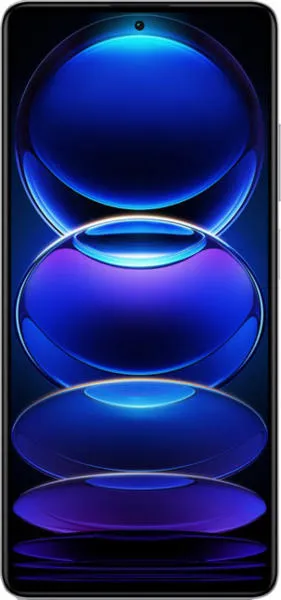
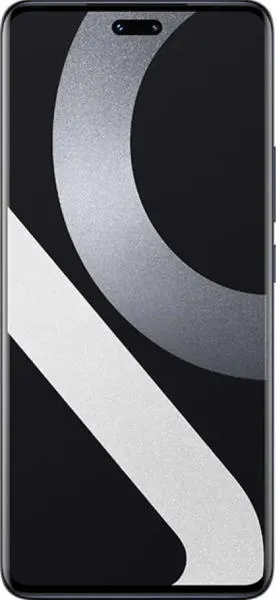
Xiaomi Redmi Note 12 Pro+ vs. Xiaomi 13 Lite: A Deep Dive
Let's dissect these two Xiaomi contenders, the Redmi Note 12 Pro+ and the 13 Lite, cutting through the spec sheet to reveal what truly matters for your daily smartphone experience.
1. Specifications Breakdown
| Feature | Xiaomi Redmi Note 12 Pro+ | Xiaomi 13 Lite | Real-World Implications |
|---|---|---|---|
| Design | |||
| Dimensions (mm) | 162.9 x 76 x 8.9 | 159.2 x 72.7 x 7.2 | 13 Lite is noticeably more compact and thinner, enhancing one-handed usability. |
| Weight (g) | 208.4 | 171 | Lighter 13 Lite reduces hand fatigue during extended use. |
| Display | |||
| Size (inches) | 6.67 | 6.55 | Negligible size difference; both offer immersive viewing experiences. |
| Type | OLED | AMOLED | Both boast vibrant colors and deep blacks. |
| Refresh Rate (Hz) | 120 | 120 | Smooth scrolling and responsive gaming on both devices. |
| Peak Brightness | 900 nits | 1000 nits | 13 Lite's higher peak brightness improves outdoor visibility. |
| Performance | |||
| Chipset | Dimensity 1080 (6nm) | Snapdragon 7 Gen 1 (4nm) | 13 Lite's more efficient 4nm process and newer architecture translate to superior performance and power management. |
| CPU | Octa-core (2x2.6 GHz A78 & 6x2.0 GHz A55) | Octa-core (1x2.4 GHz A710 & 3x2.36 GHz A710 & 4x1.8 GHz A510) | 13 Lite's CPU architecture provides a significant performance advantage, particularly in demanding tasks. |
| GPU | Mali-G68 MC4 | Adreno 644 | 13 Lite's Adreno 644 offers better gaming performance. |
| RAM | 8GB | 8GB | Both offer ample RAM for smooth multitasking. |
| Camera | |||
| Main Sensor | 200MP (Samsung HPX) | 50MP (Sony IMX766) | While the Note 12 Pro+ boasts higher resolution, the 13 Lite's IMX766 sensor is known for its excellent light capture. Real-world image quality likely to be comparable. |
| Selfie Camera | 16MP | 32MP + 8MP Depth | 13 Lite offers a higher-resolution selfie camera with a dedicated depth sensor for improved portraits. |
| Battery | |||
| Capacity (mAh) | 5000 | 4500 | Note 12 Pro+ offers longer battery life on paper. |
2. Key Insights
- Performance: The Xiaomi 13 Lite significantly outpaces the Redmi Note 12 Pro+ due to its more advanced Snapdragon 7 Gen 1 processor. This translates to smoother gaming, faster app loading, and more responsive multitasking.
- Camera: The megapixel count might favor the Note 12 Pro+, but the 13 Lite employs a well-regarded Sony IMX766 sensor known for excellent image quality. The 13 Lite also boasts a superior selfie camera setup. Real-world testing would be needed to definitively crown a winner.
- Design and Display: The 13 Lite is slimmer, lighter, and easier to handle. While both displays are excellent, the 13 Lite's higher peak brightness provides a slight edge in outdoor readability.
- Battery: The Note 12 Pro+'s larger battery likely translates to longer usage time between charges, though the 13 Lite's more efficient chipset might mitigate this difference in real-world scenarios.
3. User Profiles and Recommendations
- Redmi Note 12 Pro+: Best for users prioritizing battery life and who are attracted to the high megapixel count of the main camera. Budget-conscious users seeking a solid all-around performer will also find this appealing.
- Xiaomi 13 Lite: Ideal for users who value performance, a sleek and lightweight design, and a strong selfie camera. Gamers and those who demand a more responsive user experience will appreciate the 13 Lite's powerful chipset.
4. Buying Decision Framework
- Is top-tier performance a priority? If yes, the Xiaomi 13 Lite is the clear winner.
- How important is battery life? If all-day battery is paramount, the Redmi Note 12 Pro+ is likely to last longer.
- What is your budget? Compare prices in your region, as pricing can fluctuate.
My Choice: Xiaomi 13 Lite
If I were choosing between these two, I'd opt for the Xiaomi 13 Lite. The performance gains from the Snapdragon 7 Gen 1, coupled with the slimmer, lighter design and improved selfie camera, are compelling. While the Redmi Note 12 Pro+ offers a larger battery and a higher resolution main camera, I prioritize the overall user experience and speed offered by the 13 Lite. The superior chipset future-proofs the device, ensuring a smoother experience for longer. In the dynamic landscape of mobile technology, performance and efficiency are key, and the 13 Lite delivers on both fronts.
