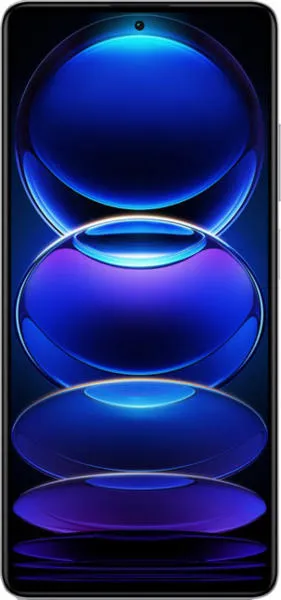
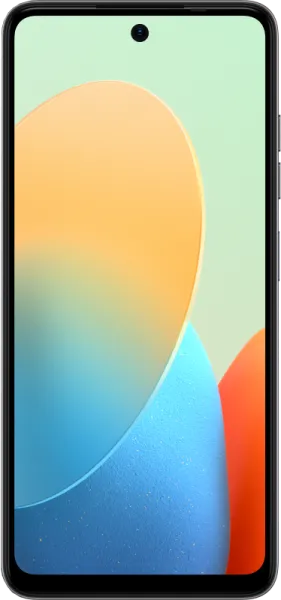
Xiaomi Redmi Note 12 Pro+ vs. Tecno Spark Go 2024: A Deep Dive
Let's dissect these two smartphones, the Xiaomi Redmi Note 12 Pro+ and the Tecno Spark Go 2024, to see what they offer and who they're best suited for. We'll go beyond the spec sheet to understand how these numbers translate to real-world performance.
1. Specifications Breakdown
| Feature | Xiaomi Redmi Note 12 Pro+ | Tecno Spark Go 2024 | Real-World Implications |
|---|---|---|---|
| Design | |||
| Dimensions (mm) | 162.9 x 76 x 8.9 | 163.7 x 75.6 x 8.6 | Pro+ slightly more compact |
| Weight (g) | 208.4 | 0 (Data Missing) | Pro+ weight noticeable, Spark Go unknown |
| Display | |||
| Type | OLED, 120Hz | IPS LCD, 90Hz | Pro+: Richer blacks, smoother scrolling; Spark Go: Decent refresh rate, good for basic tasks |
| Resolution | 1080 x 2400 | 720 x 1612 | Pro+: Sharper, more detailed visuals; Spark Go: Noticeably less sharp |
| PPI | 395 | 267 | Pro+: Significantly crisper images and text |
| Performance | |||
| Chipset | Mediatek Dimensity 1080 | Unisoc T606 | Pro+: More powerful, handles demanding tasks and games better |
| CPU | Octa-core (2x2.6 GHz A78 & 6x2.0 GHz A55) | Octa-core (2x1.6 GHz A75 & 6x1.6 GHz A55) | Pro+: Faster, more responsive performance |
| RAM | 8GB/12GB | 3GB/4GB | Pro+: Smoother multitasking, better for demanding apps |
| Camera | |||
| Main Camera | 200MP, Samsung HPX | 13MP | Pro+: Significantly higher resolution, potentially better detail and low-light performance |
| Video | 4K@30fps, 720p@960fps | 1080p@30fps | Pro+: Higher resolution video recording and super slow-motion |
| Battery Life | |||
| Capacity | 5000mAh | 5000mAh | Likely comparable, real-world usage will vary |
| Other | NFC | No NFC | Pro+: Enables contactless payments and data transfer |
2. Key Insights
The Redmi Note 12 Pro+ is a clear winner in terms of raw performance, display quality, and camera capabilities. The Dimensity 1080 chipset, coupled with ample RAM, provides a significant advantage in speed and multitasking. The 200MP camera, while needing real-world testing to confirm its prowess, promises detailed images. The 120Hz AMOLED display offers vibrant colors and smooth scrolling.
The Tecno Spark Go 2024, on the other hand, focuses on affordability. While the Unisoc T606 chipset is less powerful, it's sufficient for everyday tasks like browsing and social media. The 90Hz refresh rate is a welcome addition in this price range, offering a relatively smooth user experience. The lower resolution display and 13MP camera are compromises to achieve a lower price point. The missing weight data is a significant omission making a full comparison challenging.
3. User Profiles and Recommendations
Redmi Note 12 Pro+: Ideal for users who prioritize performance, a high-quality display, a capable camera, and features like NFC. Gamers, photography enthusiasts, and those who multitask heavily will appreciate its capabilities.
Tecno Spark Go 2024: Best suited for budget-conscious users who primarily use their phones for basic tasks like calling, texting, browsing, and social media. It's a good option for students or as a secondary device.
4. Buying Decision Framework
- What's your budget? The Spark Go 2024 is significantly more affordable.
- What are your primary phone usage patterns? For demanding tasks, the Redmi Note 12 Pro+ excels. For basic use, the Spark Go 2024 is sufficient.
- Which features are non-negotiable? Need a great camera or NFC? The Redmi Note 12 Pro+ is the way to go.
My Choice:
If I were choosing between these two, I'd go with the Redmi Note 12 Pro+. While more expensive, the superior performance, vibrant display, and feature-rich experience are worth the investment for me. I value a smooth and responsive phone that can handle multitasking and demanding applications. The inclusion of NFC for mobile payments is also a significant factor in my decision. While the Tecno Spark Go 2024 offers excellent value for its price, the compromises in performance and features wouldn't meet my personal needs. The lack of weight information for the Spark Go is concerning, suggesting potential data inaccuracies that further diminish confidence in recommending it.
