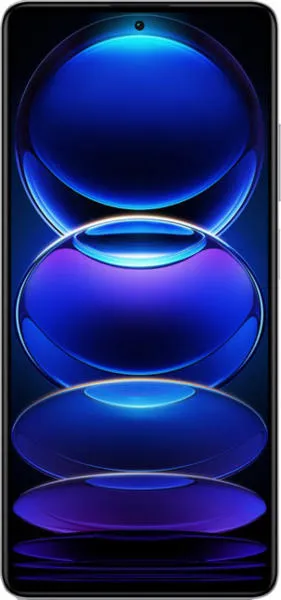
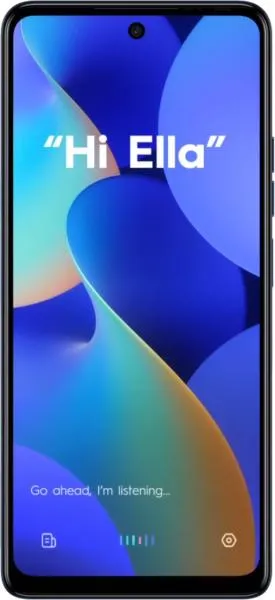
Xiaomi Redmi Note 12 Pro+ vs. Tecno Spark 10 Pro: A Deep Dive
Let's dissect the Xiaomi Redmi Note 12 Pro+ and the Tecno Spark 10 Pro, two compelling mid-range contenders, to see which phone reigns supreme. I'll break down the specs, analyze their real-world impact, and guide you to the perfect device for your needs.
1. Specifications Breakdown
| Feature | Xiaomi Redmi Note 12 Pro+ | Tecno Spark 10 Pro | Real-World Implications |
|---|---|---|---|
| Design | |||
| Dimensions (mm) | 162.9 x 76 x 8.9 | 168.4 x 76.2 x 8.4 | Redmi is slightly more compact; Spark 10 Pro is a bit taller and thinner. |
| Weight (g) | 208.4 | 208 | Virtually identical weight; negligible difference in hand. |
| Display | |||
| Type | OLED, 120Hz | IPS LCD, 90Hz | Redmi offers deeper blacks, vibrant colors, and smoother scrolling. Spark offers wider viewing angles potentially. |
| Size | 6.67" | 6.8" | Spark has a marginally larger screen. |
| Resolution | 1080 x 2400 | 1080 x 2460 | Similar sharpness; barely noticeable difference in pixel density. |
| HDR | Dolby Vision, HDR10+ | None | Redmi provides superior dynamic range and brighter highlights in compatible content. |
| Performance | |||
| Chipset | Dimensity 1080 (6nm) | Helio G88 (12nm) | Redmi boasts significantly faster processing and graphics performance. |
| CPU | Octa-core (2.6 GHz A78) | Octa-core (2.0 GHz A75) | Redmi's CPU architecture offers a performance advantage. |
| RAM | 8GB | 8GB | Equal RAM capacity for multitasking. |
| Camera | |||
| Main Camera | 200MP, Samsung HPX | 50MP | Redmi offers a higher resolution sensor; real-world image quality depends on processing. |
| Selfie Camera | 16MP | 32MP | Spark boasts a higher resolution front camera for sharper selfies. |
| Video Recording | 4K@30fps, 960fps slow-mo | 1440p@30fps | Redmi offers higher resolution video recording and impressive slow-motion capabilities. |
| Battery Life | |||
| Capacity | 5000mAh | 5000mAh | Identical battery capacity; actual battery life depends on usage and optimization. |
2. Key Insights
Performance Powerhouse: The Redmi Note 12 Pro+ significantly outperforms the Spark 10 Pro thanks to its more powerful Dimensity 1080 chipset. This translates to smoother gaming, faster app loading, and a more responsive overall experience.
Display Delight: The Redmi's 120Hz OLED display delivers a visually stunning experience with vibrant colors, deep blacks, and buttery smooth scrolling. While the Spark 10 Pro's larger 6.8" display might appeal to some, its 90Hz IPS LCD panel lacks the Redmi's visual punch.
Camera Conundrum: On paper, the Redmi's 200MP main camera sensor seems impressive. However, megapixel count doesn't guarantee image quality. Real-world performance depends heavily on image processing. The Spark 10 Pro’s 50MP sensor coupled with its software could potentially deliver competitive results, especially in good lighting conditions. Its higher resolution selfie camera is a notable advantage for selfie enthusiasts.
Battery Life Battle: Both phones pack a 5000mAh battery, promising all-day endurance. However, the Redmi's more efficient 6nm chipset might give it a slight edge in battery life.
3. User Profiles and Recommendations
Redmi Note 12 Pro+: Ideal for users who prioritize performance, a premium display, and versatile camera features. Gamers, content creators, and power users will appreciate its speed and responsiveness.
Tecno Spark 10 Pro: Best suited for budget-conscious users who primarily use their phones for social media, web browsing, and casual photography. The large display and decent battery life are its key strengths.
4. Buying Decision Framework
- What is your budget? The Spark 10 Pro is generally more affordable.
- What are your primary phone usage patterns? For demanding tasks, choose the Redmi. For casual use, the Spark might suffice.
- Which features matter most to you? Prioritize performance and display? Redmi. Prioritize battery life and affordability? Spark.
Scenario-Based Recommendations:
- Student on a tight budget: Tecno Spark 10 Pro.
- Mobile gamer: Xiaomi Redmi Note 12 Pro+.
- Photography enthusiast: Tough call; depends on real-world camera comparisons. Leaning towards Redmi for its video capabilities.
My Choice: Xiaomi Redmi Note 12 Pro+
As a tech journalist who values performance and a premium user experience, I would choose the Xiaomi Redmi Note 12 Pro+. The superior processor, stunning OLED display, and faster refresh rate are compelling. While the 200MP camera is a bit of a marketing gimmick, the overall camera system combined with the video capabilities and powerful chipset provides a more well-rounded experience. The slight price premium is justified by the significant performance and display advantages. The Spark 10 Pro is a solid budget option, but for me, the Redmi Note 12 Pro+ offers a more compelling package.
