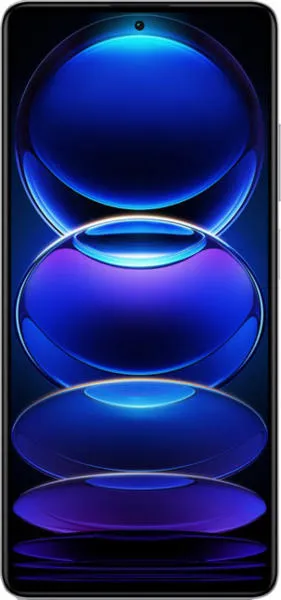
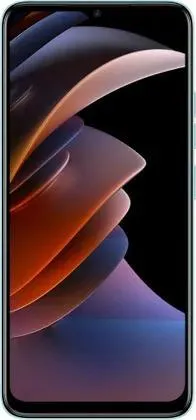
Xiaomi Redmi Note 12 Pro+ vs. Tecno Spark 10 5G: A Detailed Comparison
Let's dive into a comparative analysis of the Xiaomi Redmi Note 12 Pro+ and the Tecno Spark 10 5G, dissecting their specifications and uncovering what they truly offer in terms of real-world performance.
1. Specifications Breakdown
| Feature | Xiaomi Redmi Note 12 Pro+ | Tecno Spark 10 5G | Real-World Implications |
|---|---|---|---|
| Design | |||
| Dimensions (mm) | 162.9 x 76 x 8.9 | 164.4 x 75.5 x 8.4 | Redmi is slightly more compact. Negligible difference in daily handling. |
| Weight (g) | 208.4 | 0 (Data Missing) | Weight impacts comfort during prolonged use. Need more data on Spark 10 to assess. |
| Build Materials | Not Specified | Not Specified | Material choice affects durability and premium feel. Lack of information hinders comprehensive comparison. |
| Display | |||
| Display Type | OLED | IPS LCD | Redmi offers richer blacks, vibrant colors, and better power efficiency due to OLED technology. Spark offers wider viewing angles potentially |
| Size (inches) | 6.67 | 6.6 | Negligible difference in screen real estate. |
| Resolution | 1080 x 2400 | 720 x 1612 | Redmi's significantly sharper display results in crisper text, images, and videos. |
| Refresh Rate (Hz) | 120 | 90 | Redmi's higher refresh rate delivers smoother scrolling and animations, enhancing responsiveness and visual fluidity. |
| Performance | |||
| Chipset | Dimensity 1080 (6nm) | Dimensity 6020 (7nm) | Redmi's processor is more powerful, enabling faster app loading, multitasking, and potentially better gaming performance. Smaller nm typically means better power efficiency, but the difference here might be negligible given other variables. |
| CPU | Octa-core (2x2.6 GHz A78 & 6x2.0 GHz A55) | Octa-core (2x2.2 GHz A76 & 6x2.0 GHz A55) | Redmi has a slight edge in CPU performance due to the higher clock speed on its performance cores, though both use a similar architecture. |
| GPU | Mali-G68 MC4 | Mali-G57 MC2 | Redmi's GPU offers significantly better graphics performance, crucial for demanding games and smooth UI rendering. |
| RAM | 8GB (variations available) | 8GB | Both offer ample RAM for multitasking, but Redmi may handle background processes more efficiently with higher-tier RAM configurations available. |
| Camera | |||
| Main Camera | 200MP Samsung HPX | 50MP | Redmi boasts a significantly higher resolution main camera sensor, potentially capturing more detail. Real-world image quality depends on processing and other factors. |
| Other Cameras | 8MP Wide, 2MP Macro | 2MP AI Lens | Redmi offers a dedicated wide-angle lens. The practical use of a 2MP macro lens on either phone is debatable. Tecno's "AI Lens" purpose is unclear without further detail. |
| Video Recording | Up to 4K@30fps, 720p@960fps | 1080p@30fps | Redmi offers superior video recording capabilities, including 4K resolution and high frame rate slow-motion. |
| Battery Life | |||
| Capacity | 5000mAh | 5000mAh | Similar battery capacities suggest comparable longevity, but actual battery life depends heavily on usage patterns and software optimization. |
| Other | |||
| NFC | Yes | No | Redmi supports contactless payments and data transfer via NFC. |
| OS | Android 12 (upgradable) | Android 13 | While Spark ships with a newer Android version, Redmi's update track record and potential to reach Android 14 is important to consider. |
2. Key Insights
The Redmi Note 12 Pro+ clearly positions itself as the more powerful and feature-rich device. Its superior display, significantly faster processor and GPU, higher resolution camera, and inclusion of NFC offer tangible advantages.
The Tecno Spark 10 5G, while offering 5G connectivity and a newer base Android version, compromises on display quality, performance, and features. It aims to provide a more budget-friendly entry point into the 5G market.
3. User Profiles and Recommendations
Redmi Note 12 Pro+: Ideal for users who prioritize performance, a high-quality display, versatile camera capabilities, and features like NFC. This phone caters to mobile gamers, photography enthusiasts, and those seeking a premium user experience without a flagship price tag.
Tecno Spark 10 5G: Suitable for budget-conscious users who primarily need a 5G-enabled device for basic tasks like web browsing, social media, and communication. It might also appeal to those who prefer a clean, stock Android experience.
4. Buying Decision Framework
Questions to consider:
- What is your budget? The Redmi Note 12 Pro+ commands a higher price, reflecting its superior features.
- What are your primary smartphone usage patterns? Demanding tasks like gaming and content creation benefit from Redmi's power, while basic usage might not necessitate such high performance.
- Which features are essential to you? Consider whether NFC, a high-refresh-rate display, and a high-resolution camera are must-haves.
My Choice: Xiaomi Redmi Note 12 Pro+
If I were choosing between these two, I'd opt for the Redmi Note 12 Pro+. While the Tecno Spark 10 5G offers a tempting price for 5G connectivity, the Redmi's significant advantages in display quality, performance, camera capabilities, and features like NFC are decisive factors for me. I value a smooth and responsive user experience, vibrant visuals, and the versatility offered by a powerful camera system. The slightly higher price of the Redmi is justified by the substantial uplift in overall quality and features it provides. It represents a more well-rounded and future-proof investment in my opinion, even considering that the Tecno Spark 10 5G comes with a newer version of Android out-of-the-box. The superior hardware of the Redmi will likely provide a better long term experience, as it is more likely to be able to handle future app updates smoothly.
