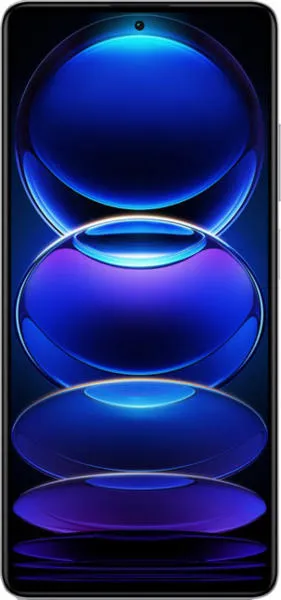
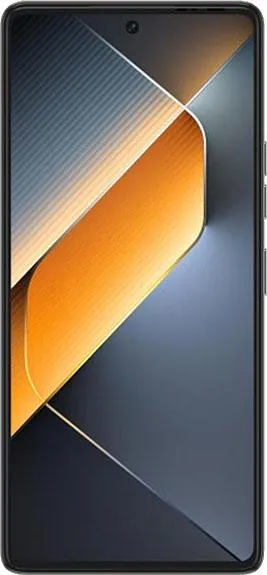
Xiaomi Redmi Note 12 Pro+ vs. Tecno Pova 6 Pro: A Deep Dive
Let's dissect the Xiaomi Redmi Note 12 Pro+ and the Tecno Pova 6 Pro, two compelling mid-range contenders, to see which phone truly delivers.
1. Specifications Breakdown
| Feature | Xiaomi Redmi Note 12 Pro+ | Tecno Pova 6 Pro | Real-World Implications |
|---|---|---|---|
| Design | |||
| Dimensions (mm) | 162.9 x 76 x 8.9 | 165.5 x 76.1 x 7.9 | Pova 6 Pro slightly larger |
| Weight (g) | 208.4 | 198 | Redmi feels more substantial |
| Fingerprint | Side-mounted | Under-display | Preference-based |
| Display | |||
| Type | AMOLED | AMOLED | Vibrant colors, deep blacks |
| Size (inches) | 6.67 | 6.78 | Pova offers a larger screen |
| Resolution (px) | 1080 x 2400 | 1080 x 2436 | Similar sharpness |
| Refresh Rate (Hz) | 120 | 120 | Smooth scrolling and gaming |
| Peak Brightness | 900 nits | 1300 nits | Pova excels in sunlight |
| HDR | Dolby Vision, HDR10+ | None | Redmi for better HDR content |
| Performance | |||
| Chipset | Dimensity 1080 (6nm) | Dimensity 6080 (6nm) | Pova with slightly newer chip |
| CPU | Octa-core (2x2.6 GHz A78 & 6x2.0 GHz A55) | Octa-core (2x2.4 GHz A76 & 6x2.0 GHz A55) | Redmi potentially faster |
| GPU | Mali-G68 MC4 | Mali-G57 MC2 | Redmi for smoother graphics |
| RAM (GB) | 8/12 | 12 | Pova offers more RAM |
| Camera | |||
| Main Camera (MP) | 200 MP (Samsung HPX) | 108 MP | Redmi for higher resolution |
| Video Recording | 4K@30fps, 720p@960fps | 1440p@30fps | Redmi for super slow-mo |
| Battery Life | |||
| Capacity (mAh) | 5000 | 6000 | Pova for longer endurance |
2. Key Insights
- Display: Both phones boast stunning AMOLED displays with 120Hz refresh rates. However, the Pova 6 Pro's superior peak brightness makes it more legible outdoors. The Redmi Note 12 Pro+ pulls ahead with its support for Dolby Vision and HDR10+, enhancing the viewing experience for compatible content.
- Performance: While both chipsets are built on a 6nm process, the Dimensity 1080 in the Redmi Note 12 Pro+ boasts slightly faster prime cores (Cortex-A78 vs. A76), potentially offering a performance edge in demanding tasks. The Redmi also has a more powerful GPU. However, the Tecno Pova 6 Pro we're comparing has double the RAM of the Redmi, which could make a difference in multitasking.
- Camera: The Redmi Note 12 Pro+ flaunts a remarkable 200MP main sensor, promising exceptional detail. While megapixels aren't everything, this significant difference suggests superior image quality, especially in well-lit conditions. The Redmi also offers 960fps slow-motion video recording, a feature absent in the Pova.
- Battery: The Tecno Pova 6 Pro boasts a significantly larger 6000mAh battery compared to the Redmi's 5000mAh. This translates to noticeably longer usage time on a single charge.
3. User Profiles and Recommendations
- Redmi Note 12 Pro+: Best suited for users prioritizing camera quality, display features (HDR), and overall performance for gaming or demanding apps.
- Tecno Pova 6 Pro: Ideal for users seeking exceptional battery life and a large, bright display for media consumption. The extra RAM in this version would be great for power users.
4. Buying Decision Framework
- Is battery life your top priority? If so, the Tecno Pova 6 Pro is the clear winner.
- Do you consume a lot of HDR content? The Redmi Note 12 Pro+'s Dolby Vision and HDR10+ support will significantly enhance your viewing experience.
- Are you a mobile photographer or videographer? The Redmi Note 12 Pro+'s 200MP camera and advanced video features make it the better choice.
My Choice: Xiaomi Redmi Note 12 Pro+
While the Tecno Pova 6 Pro's battery life and bright display are tempting, I would choose the Xiaomi Redmi Note 12 Pro+. The superior camera system, especially the impressive 200MP sensor and slow-motion video capabilities, combined with the more powerful GPU and support for HDR content, are decisive factors for me. I prioritize these features over slightly longer battery life, as I can always carry a power bank if needed. The difference in RAM is significant, but I'd rather have the better processor and graphics. Additionally, while subjective, I prefer a side-mounted fingerprint sensor. Ultimately, the Redmi Note 12 Pro+ offers a more well-rounded package that aligns better with my personal preferences and usage patterns.
