Xiaomi Redmi Note 12 Pro+ vs. Samsung Galaxy Tab S9 FE+: A Deep Dive
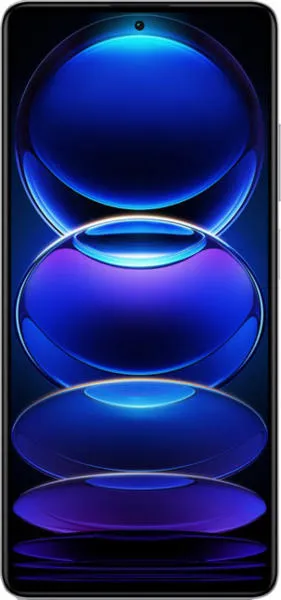
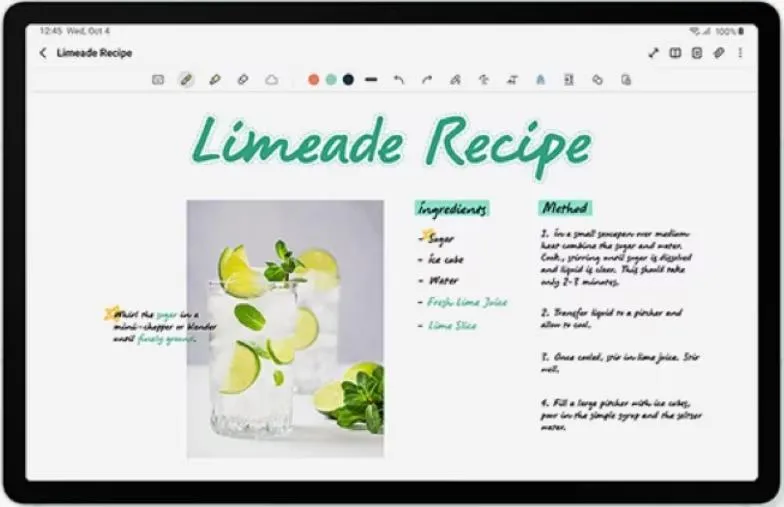
Let's dissect the Xiaomi Redmi Note 12 Pro+ and the Samsung Galaxy Tab S9 FE+, two devices occupying different spaces in the mobile landscape, yet both vying for your attention in the mid-range market.
1. Specifications Breakdown
| Feature | Xiaomi Redmi Note 12 Pro+ | Samsung Galaxy Tab S9 FE+ | Real-World Implications |
|---|---|---|---|
| Design | |||
| Dimensions (mm) | 162.9 x 76 x 8.9 | 285.4 x 185.4 x 6.5 | Redmi: Pocketable; Tab S9 FE+: Larger footprint, less portable. |
| Weight (g) | 208.4 | 627 | Redmi: Lighter, easier for one-handed use; Tab S9 FE+: Heavier, better suited for two-handed use or on a surface. |
| Display | |||
| Type | OLED | IPS LCD | Redmi: Richer blacks, vibrant colors, better power efficiency; Tab S9 FE+: Wider viewing angles, potentially better in bright sunlight. |
| Size | 6.67" | 12.4" | Redmi: Standard phone size; Tab S9 FE+: Large screen ideal for media consumption and multitasking. |
| Resolution | 1080 x 2400 | 2560 x 1600 | Tab S9 FE+: Higher resolution for sharper details, but lower pixel density due to larger screen size. |
| Refresh Rate | 120Hz | 90Hz | Redmi: Smoother animations and scrolling; Tab S9 FE+: Still smooth, but less so than the Redmi. |
| Performance | |||
| Chipset | Mediatek Dimensity 1080 | Exynos 1380 | Both offer comparable mid-range performance, but benchmarks would be needed for precise comparison. |
| CPU | Octa-core (2x2.6 GHz A78 & 6x2.0 GHz A55) | Octa-core (4x2.4 GHz A78 & 4x2.0 GHz A55) | Similar CPU architecture, but clock speed differences might lead to slight performance variations. |
| GPU | Mali-G68 MC4 | Mali-G68 MP5 | Tab S9 FE+: Slightly more powerful GPU, potentially beneficial for gaming and graphics-intensive tasks. |
| RAM | 8GB | 8/12GB | Tab S9 FE+: Offers a 12GB RAM option for enhanced multitasking. |
| Camera | |||
| Main Camera | 200MP | 12MP | Redmi: Significantly higher megapixel count, potentially capturing more detail; Tab S9 FE+: Lower resolution, likely focusing on general photography rather than high-detail shots. |
| Battery Life | |||
| Capacity | 5000 mAh | 10090 mAh | Tab S9 FE+: Much larger battery capacity, expected to provide significantly longer usage time. |
2. Key Insights
The Redmi Note 12 Pro+ excels as a content consumption and gaming device thanks to its vibrant OLED display with a 120Hz refresh rate. Its 200MP camera offers impressive detail, although real-world performance can vary. The Tab S9 FE+, on the other hand, prioritizes productivity and media consumption on a grander scale with its expansive 12.4" display and massive battery. However, its LCD panel and lower resolution camera might disappoint those seeking top-tier visuals.
3. User Profiles and Recommendations
Redmi Note 12 Pro+: Suited for users who prioritize a pocketable, powerful smartphone with a stunning display and a capable camera. Ideal for gamers, social media enthusiasts, and mobile photographers.
Samsung Galaxy Tab S9 FE+: Best for users who need a large screen for productivity, media consumption, and multitasking. Students, artists, and professionals who require a portable workstation would benefit from its spacious display and long battery life.
4. Buying Decision Framework
- What is your primary use case? Smartphone tasks vs. tablet-oriented tasks like note-taking, drawing, or extended media consumption.
- How important is portability? Pocketability and one-handed use vs. a larger device for comfortable use on a desk or lap.
- What is your budget? While both are mid-range, the Tab S9 FE+ is generally more expensive.
My Choice:
If I had to choose, I'd go for the Xiaomi Redmi Note 12 Pro+. While the Tab S9 FE+ offers a compelling large-screen experience, my daily workflow revolves around a smartphone. The Redmi's vibrant OLED display, powerful performance, and impressive camera system, coupled with its portability, better suit my needs. The 200MP camera, while potentially overkill for some, intrigues me from a technological perspective. I appreciate having a device that pushes the boundaries of mobile photography. The faster refresh rate also aligns with my preference for smooth and responsive user interfaces. While battery life is a consideration, I'm willing to sacrifice some longevity for the benefits offered by the Redmi in other areas. Ultimately, the Redmi strikes a better balance between performance, features, portability, and price for my personal use.
