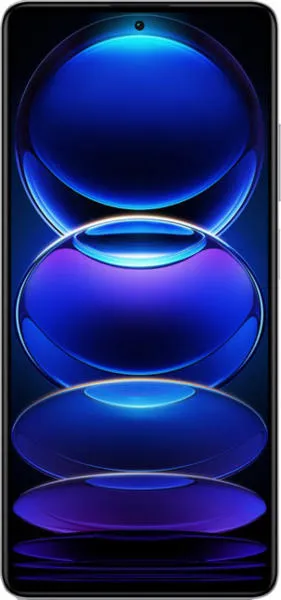
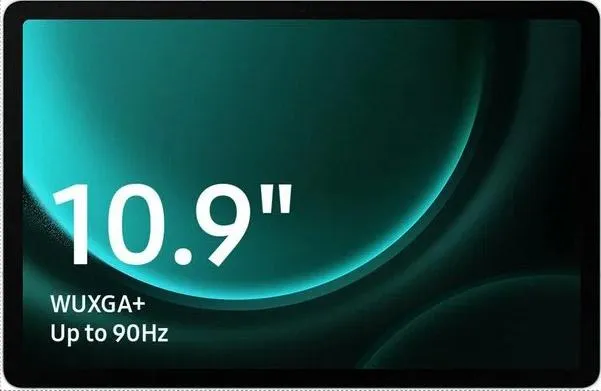
Xiaomi Redmi Note 12 Pro+ vs. Samsung Galaxy Tab S9 FE: A Deep Dive
Let's dissect the Xiaomi Redmi Note 12 Pro+ and the Samsung Galaxy Tab S9 FE, two devices occupying different spaces in the mobile landscape – a powerful smartphone and a versatile tablet. We'll go beyond the spec sheet to uncover what these devices offer in real-world use.
1. Specifications Breakdown
| Feature | Xiaomi Redmi Note 12 Pro+ | Samsung Galaxy Tab S9 FE | Real-World Implications |
|---|---|---|---|
| Design | |||
| Dimensions (mm) | 162.9 x 76 x 8.9 | 254.3 x 165.8 x 6.5 | Redmi: Pocketable phone; Tab S9 FE: Larger footprint, better for media consumption and productivity on the go. |
| Weight (g) | 208.4 | 523 | Redmi: Comfortable for one-handed use; Tab S9 FE: Noticeably heavier, better suited for two-handed use or on a surface. |
| Display | |||
| Type | OLED | IPS LCD | Redmi: Richer blacks, vibrant colors, better power efficiency; Tab S9 FE: Wider viewing angles, good color accuracy. |
| Size (inches) | 6.67 | 10.9 | Redmi: Ideal for one-handed use and portability; Tab S9 FE: Immersive experience for multimedia, multitasking. |
| Refresh Rate (Hz) | 120 | 90 | Redmi: Smoother scrolling and animations; Tab S9 FE: Smooth but not as fluid as the Redmi. |
| Resolution | 1080 x 2400 | 1440 x 2304 | Both offer sharp visuals, but the Tab S9 FE has a slightly higher pixel density due to its larger size. |
| Performance | |||
| Chipset | Dimensity 1080 (6nm) | Exynos 1380 (5nm) | Both offer solid mid-range performance, but the Exynos 1380 in the Tab S9 FE is generally considered more powerful and efficient. |
| CPU | Octa-core | Octa-core | Comparable CPU configurations, but benchmark tests would reveal the real-world performance differences. |
| RAM (GB) | 8 (reviewed model) | 6 (reviewed model) | Redmi: More RAM in this configuration, better for multitasking; Tab S9 FE: Sufficient for most tasks, but less future-proof. |
| Camera | |||
| Main Camera (MP) | 200 | 12 | Redmi: Significantly higher resolution, potentially better image quality; Tab S9 FE: Basic camera functionality. |
| Battery | |||
| Capacity (mAh) | 5000 | 8000 | Redmi: Typical for a smartphone; Tab S9 FE: Larger battery expected in a tablet, longer battery life. |
2. Key Insights
- Performance: While both chipsets offer respectable performance, the Exynos 1380 in the Tab S9 FE generally edges out the Dimensity 1080 in benchmarks and power efficiency. However, the Redmi's 8GB RAM configuration in our comparison provides a smoother multitasking experience compared to the 6GB in the Tab S9 FE.
- Display: The Redmi Note 12 Pro+'s OLED display delivers vibrant colors and deeper blacks, making it ideal for media consumption in various lighting conditions. The Tab S9 FE's larger IPS LCD boasts wider viewing angles, making it better for sharing content or working collaboratively. The Redmi's 120Hz refresh rate provides a noticeable advantage in smoothness.
- Camera: The Redmi significantly outclasses the Tab S9 FE in camera capabilities. Its 200MP sensor promises detailed images, while the Tab S9 FE's 12MP camera is more for basic documentation than serious photography.
- Portability: The Redmi's compact design makes it a pocket-friendly companion for daily use. The Tab S9 FE, being a tablet, is designed for use on a desk or held with two hands, excelling in productivity and media consumption scenarios.
3. User Profiles and Recommendations
- Redmi Note 12 Pro+: Suited for users who prioritize a powerful, portable smartphone with a stunning display and a capable camera. Ideal for social media enthusiasts, mobile gamers, and those who consume media on their phones.
- Samsung Galaxy Tab S9 FE: Best for users who value a large screen for productivity, media consumption, and creative tasks. Students, artists, and professionals who need a portable device for work or entertainment will appreciate its capabilities.
4. Buying Decision Framework
- Primary Use Case: Will you primarily use the device for communication and on-the-go tasks, or for content creation, media consumption, and productivity in less mobile settings?
- Importance of Portability: Do you need a device that easily fits in your pocket, or is a larger screen size a higher priority?
- Budget: While both are in the mid-range, consider the specific configurations and storage options that fit your budget.
My Choice: I would choose the Xiaomi Redmi Note 12 Pro+. As a tech journalist always on the move, portability and a great camera for capturing quick shots are paramount. The Redmi's OLED display and 120Hz refresh rate enhance my daily interactions, and its performance is ample for my workflow. While I appreciate the Tab S9 FE's larger screen for content creation, the Redmi's overall package better suits my needs and priorities. The superior camera is a major deciding factor for me, as is the smoother and more vibrant OLED display.
