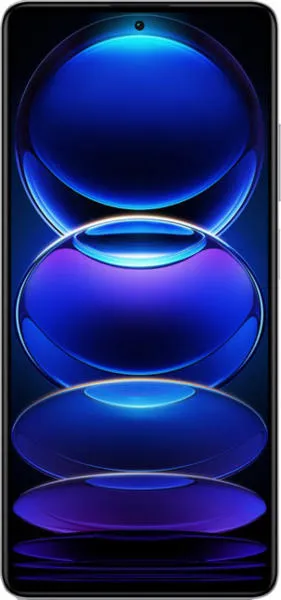
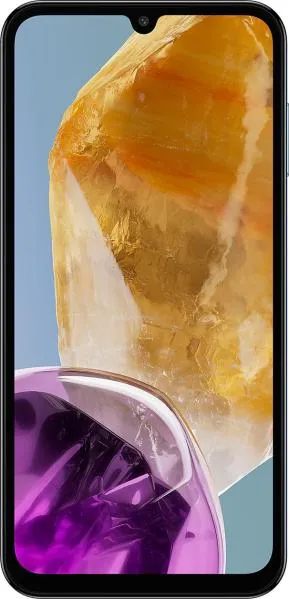
Xiaomi Redmi Note 12 Pro+ vs. Samsung Galaxy M15: A Deep Dive
Let's dissect the Xiaomi Redmi Note 12 Pro+ and the Samsung Galaxy M15, two compelling mid-range contenders, to see which phone truly delivers.
1. Specifications Breakdown
| Feature | Xiaomi Redmi Note 12 Pro+ | Samsung Galaxy M15 | Real-World Implications |
|---|---|---|---|
| Design | |||
| Dimensions (mm) | 162.9 x 76 x 8.9 | 160.1 x 76.8 x 9.3 | Redmi is slightly taller and thinner. Galaxy M15 is a bit thicker. Negligible difference in hand feel. |
| Weight (g) | 208.4 | 217 | Both phones are relatively lightweight, though the M15 is slightly heavier. |
| Display | |||
| Type | OLED | Super AMOLED | Both offer vibrant colors and deep blacks. |
| Size | 6.67" | 6.5" | Redmi offers a slightly larger screen for more immersive media consumption. |
| Refresh Rate | 120Hz | 90Hz | Redmi's higher refresh rate provides smoother scrolling and animations. Noticeable difference in fluidity. |
| HDR | Dolby Vision, HDR10+ | None | Redmi supports a wider range of HDR content, resulting in a better visual experience for streaming. |
| Performance | |||
| Chipset | Dimensity 1080 (6nm) | Dimensity 6100+ (6nm) | Both use efficient 6nm chipsets, though the Dimensity 1080 in the Redmi is likely to perform slightly better overall. |
| CPU | Octa-core (2x2.6 GHz A78 & 6x2.0 GHz A55) | Octa-core (2x2.2 GHz A76 & 6x2.0 GHz A55) | Redmi has a slight edge in CPU speed, potentially translating to faster app loading and multitasking. |
| GPU | Mali-G68 MC4 | Mali-G57 MC2 | The Redmi's GPU is more powerful, offering better gaming performance and smoother graphics rendering. |
| RAM | 8GB | 4/6GB | Redmi offers more RAM, enhancing multitasking and preventing app closures in the background. |
| Camera | |||
| Main Camera | 200MP (Samsung HPX) | 50MP | Redmi boasts a significantly higher resolution main camera sensor. Detail and low-light performance differences are likely. |
| Video Recording | 4K@30fps, 1080p@120fps | 1080p@30fps | Redmi provides more versatile video recording options, including 4K and higher frame rates for slow-motion. |
| Battery Life | |||
| Capacity | 5000mAh | 6000mAh | The Galaxy M15 has a larger battery, potentially leading to longer usage time. |
2. Key Insights
- Display: The Redmi Note 12 Pro+'s 120Hz OLED display with Dolby Vision and HDR10+ is a clear winner, offering a smoother and more vibrant visual experience.
- Performance: While both phones utilize 6nm chipsets, the Redmi's Dimensity 1080 and higher RAM configuration provide a noticeable performance advantage for demanding tasks and gaming.
- Camera: The Redmi's 200MP main camera is a standout feature, promising superior detail and potentially better low-light performance compared to the Galaxy M15's 50MP sensor. Real-world image quality will depend on processing, however megapixel count is a strong starting point.
- Battery: The Galaxy M15's 6000mAh battery should offer longer battery life compared to the Redmi's 5000mAh battery. This is a trade-off for the Redmi's superior performance.
3. User Profiles and Recommendations
- Redmi Note 12 Pro+: Ideal for users who prioritize performance, a premium display, and advanced camera features. Gamers, content creators, and heavy multitaskers would appreciate the Redmi's capabilities.
- Samsung Galaxy M15: Suitable for users seeking long battery life and reliable everyday performance. Casual users, social media enthusiasts, and those who prioritize affordability would find the M15 a decent option.
4. Buying Decision Framework
- What is your budget? The Redmi Note 12 Pro+ is likely to be more expensive.
- What are your primary use cases? For demanding tasks, the Redmi is superior. For basic usage and long battery life, the M15 might suffice.
- How important is display quality? The Redmi's 120Hz OLED with HDR support provides a significantly better visual experience.
My Choice: Xiaomi Redmi Note 12 Pro+
As a tech journalist focused on practical performance, I'd choose the Redmi Note 12 Pro+. While the Galaxy M15 offers a larger battery, the Redmi's superior display, performance, and camera system are more compelling to me. The smoother 120Hz refresh rate, vibrant colors, and HDR support on the Redmi make a noticeable difference in daily use. Additionally, the more powerful processor and extra RAM will handle demanding tasks and future-proof the device better. I'm willing to sacrifice a bit of battery life for a significantly enhanced user experience in other areas. The 200MP camera, although high in megapixels, intrigues me from a technological standpoint and holds the potential for amazing detail capture. Ultimately, the Redmi Note 12 Pro+ offers a more well-rounded and future-proof package.
