
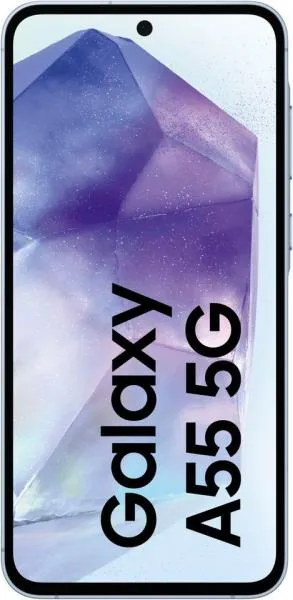
Xiaomi Redmi Note 12 Pro+ vs. Samsung Galaxy A55: A Deep Dive
Let's dissect the Xiaomi Redmi Note 12 Pro+ and the Samsung Galaxy A55, two compelling mid-range contenders, to see which phone reigns supreme.
1. Specifications Breakdown
| Feature | Xiaomi Redmi Note 12 Pro+ | Samsung Galaxy A55 | Real-World Implications |
|---|---|---|---|
| Design | |||
| Dimensions (mm) | 162.9 x 76 x 8.9 | 161.1 x 77.4 x 8.2 | A55 slightly shorter and thinner, but heavier. Negligible difference in hand feel. |
| Weight (g) | 208.4 | 213 | A55 slightly heavier, but unlikely to be noticeable in daily use. |
| Display | |||
| Type | OLED | Super AMOLED | Both offer vibrant colors and deep blacks. Super AMOLED potentially brighter outdoors. |
| Size | 6.67" | 6.6" | Virtually identical screen real estate. |
| Resolution | 1080 x 2400 | 1080 x 2340 | Similar sharpness; imperceptible difference in pixel density. |
| Refresh Rate | 120Hz | 120Hz | Both offer smooth scrolling and animations. |
| HDR | HDR10+, Dolby Vision | HDR10+ | Redmi Note 12 Pro+ boasts Dolby Vision for potentially enhanced dynamic range in compatible content. |
| Performance | |||
| Chipset | Mediatek Dimensity 1080 | Exynos 1480 | A55's 4nm Exynos likely offers better power efficiency and potentially improved performance, especially in sustained tasks. |
| CPU | Octa-core (2x2.6 GHz A78 & 6x2.0 GHz A55) | Octa-core (4x2.75 GHz A78 & 4x2.0 GHz A55) | A55 has more powerful cores, potentially leading to faster multitasking and app loading. |
| GPU | Mali-G68 MC4 | Xclipse 530 | Xclipse 530 in A55 should deliver smoother gaming performance. |
| RAM | 8GB | 8GB | Base RAM equal; both sufficient for most users. A55 offers a 12GB variant for power users. |
| Camera | |||
| Main Sensor | 200MP (Samsung HPX) | 50MP (Sony IMX906) | Redmi Note 12 Pro+ boasts higher resolution; A55 utilizes a well-regarded Sony sensor known for good image quality. |
| Video | 4K@30fps, 720p@960fps | 4K@30fps, 1080p@60fps | Both capable of 4K video; Redmi offers higher slow-motion capability. A55 boasts better video stabilization. |
| Battery Life | |||
| Capacity | 5000mAh | 5000mAh | Identical battery capacity; real-world battery life depends on usage and optimization. A55's 4nm processor may provide an edge. |
| OS | Android 12 (up to 14) | Android 14 (up to 18) | A55 ships with a newer Android version and guaranteed longer software updates. Significantly favors A55. |
2. Key Insights
- Performance: The A55's Exynos 1480, built on a more advanced 4nm process, should deliver superior performance and efficiency compared to the Redmi's Dimensity 1080.
- Camera: While the Redmi Note 12 Pro+ flaunts a massive 200MP sensor, megapixels don't tell the whole story. The A55's 50MP Sony IMX906 is known for excellent image quality and should produce compelling results.
- Software: A clear win for the A55. Shipping with Android 14 and promising updates to Android 18 provides significant longevity and feature advantages.
- Value: Pricing is crucial. The Redmi Note 12 Pro+ is generally more affordable. The A55 commands a higher price but offers newer hardware, a better processor, longer software support and a more refined camera system.
3. User Profiles and Recommendations
- Redmi Note 12 Pro+: Budget-conscious users seeking a feature-rich phone with a high-resolution camera and fast charging. Ideal for social media enthusiasts and casual gamers.
- Samsung Galaxy A55: Users prioritizing performance, software updates, and a reliable camera experience. Well-suited for demanding tasks, mobile gaming, and long-term ownership.
4. Buying Decision Framework
- What is your budget? If price is a major constraint, the Redmi Note 12 Pro+ offers excellent value.
- How important is long-term software support? If you want a phone that receives updates for years to come, the A55 is the clear winner.
- What are your performance needs? For demanding tasks and gaming, the A55's more powerful processor offers a better experience.
My Choice: Samsung Galaxy A55
While the Redmi Note 12 Pro+ offers compelling value, I would choose the Samsung Galaxy A55. The deciding factors are the more efficient and powerful processor, significantly longer software update commitment and the mature camera system powered by a well regarded Sony sensor. Although more expensive, the A55 offers a more future-proof experience, ensuring performance and security for years to come. The combination of a refined user experience, long-term support, and robust performance outweighs the Redmi's price advantage for me. I value a phone that can keep up with my needs and provide a seamless experience without compromises in the long run.
