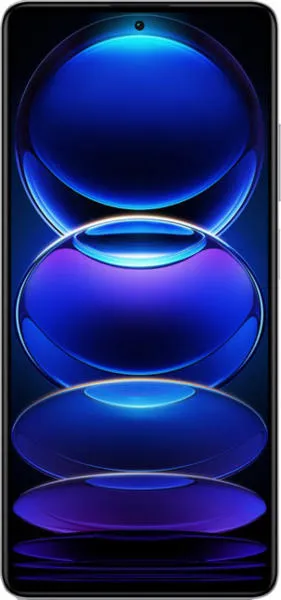
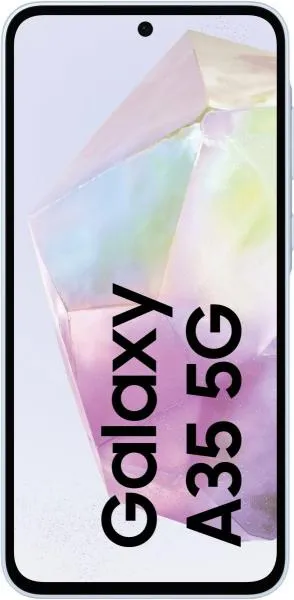
Xiaomi Redmi Note 12 Pro+ vs. Samsung Galaxy A35: A Deep Dive
Let's dissect the Xiaomi Redmi Note 12 Pro+ and the Samsung Galaxy A35, two compelling mid-range contenders, to see which phone truly delivers. We'll go beyond the spec sheet to uncover what these numbers mean for your daily life.
1. Specifications Breakdown
| Feature | Xiaomi Redmi Note 12 Pro+ | Samsung Galaxy A35 | Real-World Implications |
|---|---|---|---|
| Design | |||
| Dimensions (mm) | 162.9 x 76 x 8.9 | 161.7 x 78 x 8.2 | Redmi is slightly taller and narrower. A35 is a tad thinner. Negligible differences in hand feel. |
| Weight (g) | 208.4 | 209 | Virtually identical weight; both should feel comfortable for extended use. |
| Build Materials | Glass front/back | Unspecified | Redmi's glass build likely feels more premium, though potentially more fragile. A35's material impacts durability and feel. |
| Display | |||
| Display Type | OLED | Super AMOLED | Both offer vibrant colors and deep blacks. Super AMOLED generally boasts slightly better power efficiency. |
| Size (inches) | 6.67 | 6.6 | Negligible size difference; both provide ample screen real estate. |
| Resolution (px) | 1080 x 2400 | 1080 x 2340 | Nearly identical resolutions, resulting in sharp visuals on both. |
| Refresh Rate (Hz) | 120 | 120 | Both offer smooth scrolling and animations, enhancing responsiveness. |
| HDR | Dolby Vision, HDR10+ | None Specified | Redmi's superior HDR support translates to a significantly richer viewing experience for compatible content. |
| Performance | |||
| Chipset | Mediatek Dimensity 1080 | Exynos 1380 | Exynos 1380, built on a 5nm process, likely offers better performance and power efficiency than the 6nm Dimensity 1080. |
| CPU | Octa-core (2x2.6 GHz A78 & 6x2.0 GHz A55) | Octa-core (4x2.4 GHz A78 & 4x2.0 GHz A55) | A35's CPU configuration suggests potentially better multi-core performance for demanding tasks. |
| GPU | Mali-G68 MC4 | Mali-G68 MP5 | A35's MP5 variant of the Mali-G68 GPU likely provides a slight edge in graphics performance. |
| RAM | 8GB | 6/8GB | Both offer ample RAM for multitasking, though 8GB on the Redmi provides more headroom for future-proofing. |
| Camera | |||
| Main Camera (MP) | 200 | 50 | Redmi boasts significantly higher megapixel count. However, sensor size and other factors play a crucial role in image quality. |
| DxOMark Score | 113 | 104 | Redmi scores higher in DxOMark tests, indicating potentially better overall camera performance. |
| Battery Life | |||
| Capacity (mAh) | 5000 | 5000 | Identical battery capacities suggest similar potential battery life, though real-world usage will vary based on optimization. |
2. Key Insights
- Performance: While the Redmi Note 12 Pro+ boasts a higher megapixel count on its main camera, the Samsung Galaxy A35's Exynos 1380 processor, built on a more advanced 5nm process, likely delivers superior overall performance and efficiency.
- Display: Both phones feature 120Hz AMOLED displays for smooth visuals. However, the Redmi Note 12 Pro+ pulls ahead with its support for Dolby Vision and HDR10+, offering a noticeably better viewing experience for HDR content. This is a major differentiator for media consumption.
- Camera: Megapixels aren't everything. While the Redmi has a 200MP sensor, the A35 uses a Samsung GN8 sensor known for good low-light performance. The DxOMark scores suggest the Redmi might have a slight edge overall, but real-world results could vary.
- Software and Updates: The Galaxy A35, being a newer release (2024 vs. 2022), will likely receive longer software updates and security patches from Samsung, a significant advantage in the long run.
3. User Profiles and Recommendations
- Redmi Note 12 Pro+: Best suited for users who prioritize a vibrant display for media consumption and value a high-megapixel camera. It's a strong contender for mobile photographers and videographers who want good hardware at a competitive price.
- Samsung Galaxy A35: Ideal for users who prioritize overall performance, longevity (thanks to longer software support), and a reliable user experience. It's a great choice for those who want a balanced phone that excels in daily tasks and gaming.
4. Buying Decision Framework
- How important is display quality for watching videos? If HDR is a must-have, the Redmi Note 12 Pro+ is the clear winner.
- Do you prioritize long-term software updates? The Samsung Galaxy A35 will likely receive more updates, making it a better long-term investment.
- What's your budget and storage needs? Compare pricing for similar storage configurations to determine the best value.
My Choice: Samsung Galaxy A35
While the Redmi Note 12 Pro+'s display and camera specs are tempting, I'd choose the Samsung Galaxy A35. The more efficient processor, slightly better GPU, and the promise of longer software updates are crucial factors for me. I value a phone that performs consistently well in everyday tasks and remains up-to-date with security patches. While the Redmi's screen is undeniably impressive for media, the A35's overall package provides a more future-proof and reliable experience, making it the smarter choice in my opinion. Additionally, the under-display fingerprint sensor feels more modern than the side-mounted one on the Redmi.
