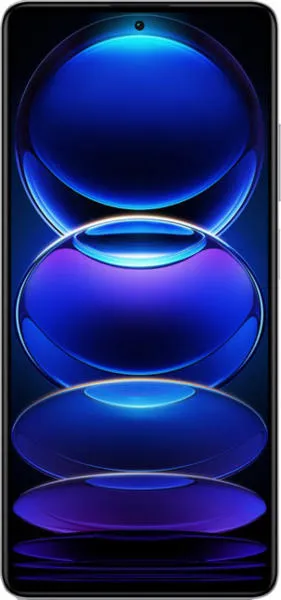
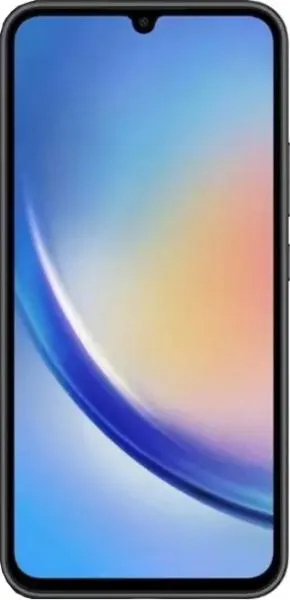
Xiaomi Redmi Note 12 Pro+ vs. Samsung Galaxy A34: A Deep Dive
Let's dissect the Xiaomi Redmi Note 12 Pro+ and the Samsung Galaxy A34, two compelling mid-range contenders vying for your attention. We'll go beyond the spec sheets to uncover what these numbers really mean for your daily life.
1. Specifications Breakdown
| Feature | Xiaomi Redmi Note 12 Pro+ | Samsung Galaxy A34 | Real-World Implications |
|---|---|---|---|
| Design | |||
| Dimensions (mm) | 162.9 x 76 x 8.9 | 161.3 x 78.1 x 8.2 | Redmi is slightly taller and narrower; A34 is thinner. Negligible difference in hand feel for most users. |
| Weight (g) | 208.4 | 199 | Redmi is slightly heavier. Again, a minor difference in practical use. |
| Display | |||
| Type | OLED | Super AMOLED | Both offer vibrant colors and deep blacks. |
| Size | 6.67" | 6.6" | Virtually identical screen real estate. |
| Refresh Rate | 120Hz | 120Hz | Smooth scrolling and responsive gaming on both devices. |
| HDR | Dolby Vision, HDR10+ | None specified | Redmi offers superior HDR support for richer video content. A significant advantage for media consumption. |
| Performance | |||
| Chipset | Dimensity 1080 | Dimensity 1080 | Identical chipsets suggest similar performance. Real-world usage will depend on software optimization. |
| CPU | Octa-core (2x2.6 GHz A78 & 6x2.0 GHz A55) | Octa-core (2x2.6 GHz A78 & 6x2.0 GHz A55) | Same CPU configuration indicates comparable processing power. |
| GPU | Mali-G68 MC4 | Mali-G68 MC4 | Identical GPUs point to similar gaming capabilities. |
| RAM | 8GB | 6/8GB | Redmi's base model offers more RAM, potentially benefiting multitasking. |
| Camera | |||
| Main Sensor | 200MP Samsung HPX | 48MP Sony IMX582 | Redmi boasts significantly higher resolution, potentially capturing more detail. Real-world image quality depends on processing. |
| Video | 4K@30fps, 960fps slow-mo | 4K@30fps, 480fps slow-mo | Redmi offers higher resolution slow-motion capture. |
| Battery Life | |||
| Capacity | 5000mAh | 5000mAh | Identical battery capacities suggest similar longevity. Actual battery life depends on usage patterns. |
2. Key Insights
- Display: While both phones feature 120Hz AMOLED displays, the Redmi Note 12 Pro+'s Dolby Vision and HDR10+ support is a clear differentiator for media enthusiasts. Expect a noticeable improvement in dynamic range and color accuracy when watching compatible content.
- Performance: With the same chipset and CPU, performance should be largely comparable. However, the Redmi Note 12 Pro+'s higher base RAM (8GB vs. 6GB for the A34) could provide a smoother multitasking experience.
- Camera: The Redmi's 200MP main sensor is undeniably eye-catching. However, megapixels aren't everything. Image processing plays a crucial role, and Samsung's track record in this area is strong. Real-world comparisons will be needed to determine the true winner. The A34 lacks the higher slow-motion capabilities of the Redmi.
- Software and Updates: Samsung generally provides longer software support than Xiaomi. If receiving the latest Android updates for several years is a priority, the A34 has an edge. This is a critical factor often overlooked!
3. User Profiles and Recommendations
- Redmi Note 12 Pro+: Ideal for users who prioritize media consumption, demanding mobile photography, and value a feature-rich experience. The higher resolution and HDR capabilities cater to movie lovers and content creators.
- Samsung Galaxy A34: A solid choice for users seeking a well-rounded phone with reliable performance, good battery life, and extended software updates. It's a more balanced option for general use.
4. Buying Decision Framework
- Is consuming high-quality video content a top priority? If yes, the Redmi's superior display makes it the clear winner.
- How important is long-term software support? If receiving timely Android updates for multiple years is crucial, the A34 is the better choice.
- Are you a heavy multitasker or mobile gamer? While performance is similar, the Redmi's extra RAM might provide a slight edge in demanding scenarios.
My Choice: Samsung Galaxy A34
While the Redmi Note 12 Pro+ boasts impressive specs on paper, particularly in the camera and display departments, I would choose the Samsung Galaxy A34. The deciding factor for me is software support. Samsung's commitment to providing four years of major Android updates and five years of security patches gives the A34 a significant advantage in terms of longevity and sustained performance. While the Redmi's higher resolution camera is tempting, Samsung's consistent track record in image processing, coupled with the promise of extended software support, makes the A34 a more compelling choice for my needs. The peace of mind knowing my device will remain secure and up-to-date for years outweighs the allure of a 200MP sensor.
