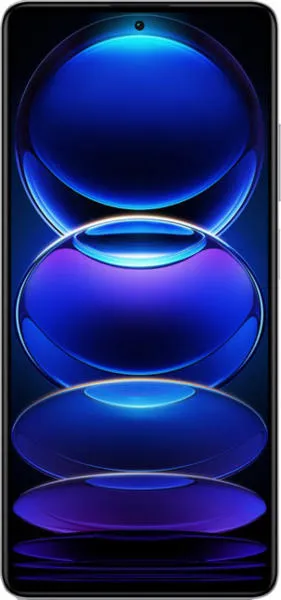
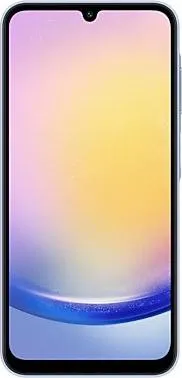
Xiaomi Redmi Note 12 Pro+ vs. Samsung Galaxy A25: A Deep Dive
Let's dissect the Xiaomi Redmi Note 12 Pro+ and the Samsung Galaxy A25, two compelling mid-range contenders, to see which phone truly delivers.
1. Specifications Breakdown
| Feature | Xiaomi Redmi Note 12 Pro+ | Samsung Galaxy A25 | Real-World Implications |
|---|---|---|---|
| Design | |||
| Dimensions (mm) | 162.9 x 76 x 8.9 | 161 x 76.5 x 8.3 | Redmi is slightly taller and thicker. A25 might feel a tad more compact in hand. |
| Weight (g) | 208.4 | 197 | Redmi is slightly heavier; might be noticeable during extended use. |
| Display | |||
| Type | OLED | Super AMOLED | Both offer vibrant colors and deep blacks. Subtle differences in color calibration might exist. |
| Size (inches) | 6.67 | 6.5 | Redmi offers a slightly larger screen for more immersive media consumption. |
| Resolution | 1080 x 2400 | 1080 x 2340 | Virtually identical sharpness; imperceptible difference in pixel density. |
| Refresh Rate (Hz) | 120 | 120 | Both offer smooth scrolling and animations. |
| HDR | Dolby Vision, HDR10+ | None | Redmi's superior HDR support translates to significantly better video quality with compatible content. |
| Performance | |||
| Chipset | Dimensity 1080 (6nm) | Exynos 1280 (5nm) | A25's 5nm chip likely offers better power efficiency. Performance differences will depend on specific tasks and optimizations. |
| CPU | Octa-core (2x2.6 GHz A78 & 6x2.0 GHz A55) | Octa-core (2x2.4 GHz A78 & 6x2.0 GHz A55) | Redmi's slightly higher clock speed on performance cores might offer a marginal advantage in demanding applications. |
| GPU | Mali-G68 MC4 | Mali-G68 | Similar GPU architecture, but Redmi's variant might have slightly better performance due to potential core count differences. |
| RAM | 8GB | 6GB | Redmi's extra RAM could improve multitasking and app switching speed. |
| Camera | |||
| Main Camera | 200MP (Samsung HPX) | 50MP | Redmi boasts a significantly higher resolution sensor, potentially capturing more detail. Real-world image quality depends on processing. |
| Video | 4K@30fps, 720p@960fps | 4K@30fps, 1080p@30fps | Redmi offers higher resolution slow-motion video recording. |
| Battery Life | |||
| Capacity (mAh) | 5000 | 5000 | Identical battery capacities suggest similar longevity, though real-world usage will vary based on software and hardware efficiency. |
2. Key Insights
- Display: The Redmi Note 12 Pro+'s Dolby Vision and HDR10+ support is a game-changer for video enthusiasts.
- Performance: While the A25 might be slightly more power-efficient, the Redmi Note 12 Pro+ potentially offers a performance edge, especially with its higher RAM.
- Camera: The Redmi's 200MP sensor is intriguing, but megapixels alone don't guarantee superior image quality. Real-world testing is crucial to determine which phone takes better photos. Samsung tends to have excellent image processing.
- Software and Updates: The A25 ships with a newer version of Android and promises longer software support, which is a significant advantage for long-term use.
3. User Profiles and Recommendations
- Redmi Note 12 Pro+: Ideal for users who prioritize multimedia consumption, especially HDR video, and desire potentially faster performance for gaming or demanding apps.
- Samsung Galaxy A25: Best suited for users who value software updates, power efficiency, and a balanced overall experience. Samsung phones also tend to have better resale value.
4. Buying Decision Framework
- Is long-term software support a priority? If yes, the A25's longer update cycle makes it a compelling choice.
- How important is HDR video playback? If crucial, the Redmi's Dolby Vision and HDR10+ are unmatched.
- What is your budget? Considering prices fluctuate, assess the current price difference relative to the features that matter most to you.
My Choice: Samsung Galaxy A25
While the Redmi Note 12 Pro+ packs impressive hardware, especially the display and camera, I would choose the Samsung Galaxy A25. The deciding factors for me are the longer software update commitment and Samsung's track record of refined software experience and image processing. While benchmarks might favor the Redmi in raw performance, the A25's Exynos 1280 likely offers a more consistent and power-efficient everyday experience. Additionally, the A25's lighter weight and slightly more compact design appeal to my preference for a comfortable in-hand feel. In the long run, the A25 represents a more future-proof investment thanks to its extended software support, ultimately providing greater peace of mind.
