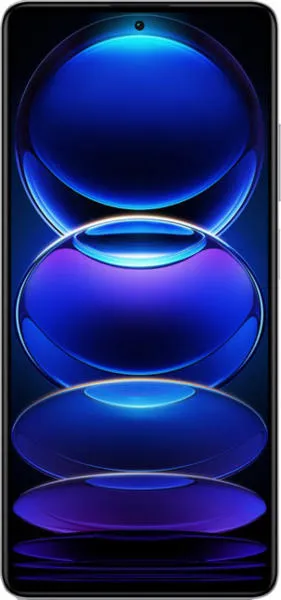
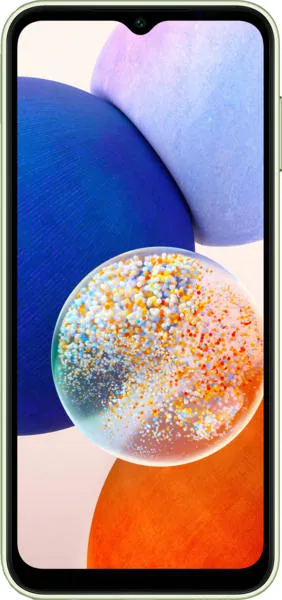
Xiaomi Redmi Note 12 Pro+ vs. Samsung Galaxy A14: A Deep Dive
Let's dissect the Xiaomi Redmi Note 12 Pro+ and the Samsung Galaxy A14, translating their spec sheets into real-world experiences.
1. Specifications Breakdown
| Feature | Xiaomi Redmi Note 12 Pro+ | Samsung Galaxy A14 | Real-World Implications |
|---|---|---|---|
| Design | |||
| Dimensions (mm) | 162.9 x 76 x 8.9 | 167.7 x 78 x 9.1 | Redmi is slightly more compact and pocketable. |
| Weight (g) | 208.4 | 201 | Negligible weight difference in hand. |
| Build Materials | Glass front/back | Plastic back | Redmi feels more premium; A14 might be more durable against drops. |
| Display | |||
| Type | OLED | PLS LCD | Redmi offers deeper blacks, vibrant colors, and better power efficiency. A14's LCD is generally less impressive visually. |
| Size | 6.67" | 6.6" | Virtually identical screen real estate. |
| Resolution | 1080 x 2400 | 1080 x 2408 | Sharpness is comparable on both. |
| Refresh Rate | 120Hz | Unspecified | Redmi provides smoother scrolling and animations, enhancing the user experience. A14 likely has a standard 60Hz refresh rate. |
| Performance | |||
| Chipset | Dimensity 1080 (6nm) | Helio G80 (12nm) | Redmi's Dimensity 1080 offers significantly better performance and efficiency in demanding tasks and gaming. A14 is suited for basic usage. |
| CPU | Octa-core (2.6 GHz) | Octa-core (2.0 GHz) | Redmi's CPU has a higher clock speed, translating to faster app loading and multitasking. |
| GPU | Mali-G68 MC4 | Mali-G52 MC2 | Redmi's GPU delivers noticeably better gaming performance and graphics rendering. |
| RAM | 8GB/12GB | 4GB/6GB | Redmi offers more RAM, allowing for smoother multitasking and better handling of memory-intensive apps. |
| Camera | |||
| Main Camera | 200MP | 50MP | Redmi boasts a higher resolution main sensor, potentially capturing more detail. Image quality depends on factors beyond resolution, such as sensor size and processing. |
| Video Recording | 4K@30fps, 1080p@120fps | 1080p@30fps | Redmi offers superior video recording capabilities with higher resolution and frame rates. |
| Battery Life | |||
| Capacity | 5000 mAh | 5000 mAh | Similar battery capacity suggests comparable longevity, though real-world usage will vary depending on individual usage patterns and software optimization. |
| Charging | Fast Charging (likely) | Standard Charging (assumed) | Redmi is likely to charge significantly faster due to a more powerful charging solution (specifics not provided for A14). |
2. Key Insights
- Performance: The Redmi Note 12 Pro+ significantly outperforms the Galaxy A14 due to its more powerful processor, GPU, and larger RAM options.
- Display: Redmi's OLED display offers a superior visual experience with vibrant colors and deeper blacks. The higher refresh rate also contributes to smoother interactions.
- Camera: While megapixels aren't everything, the Redmi's 200MP sensor and advanced video capabilities give it a clear edge in photography and videography.
- Value: The Redmi Note 12 Pro+ offers a compelling price-to-performance ratio, packing high-end features into a mid-range price point. The A14 competes primarily on affordability for basic smartphone needs.
3. User Profiles and Recommendations
- Redmi Note 12 Pro+: Suited for users who prioritize performance, a premium display, advanced camera features, and a smooth user experience. Ideal for gamers, content creators, and those who multitask heavily.
- Samsung Galaxy A14: Best for budget-conscious users who primarily use their phones for basic tasks like calling, texting, browsing, and social media. Less demanding users who prioritize affordability over top-tier specs.
4. Buying Decision Framework
- What is your budget? The A14 is significantly cheaper, making it a viable option for tight budgets.
- What are your primary phone usage patterns? For demanding tasks and multimedia consumption, the Redmi is the clear winner. For basic usage, the A14 suffices.
- How important are display quality and camera capabilities? The Redmi excels in both areas.
My Choice: I would choose the Xiaomi Redmi Note 12 Pro+. While the Samsung Galaxy A14 offers excellent value for its price, I prioritize performance, a fluid display, and strong camera capabilities. The Redmi's superior hardware, OLED screen with a 120Hz refresh rate, and advanced camera system make it a more compelling device for my needs. I appreciate a responsive and visually engaging user experience, and I am willing to invest in the better technology the Redmi provides.
