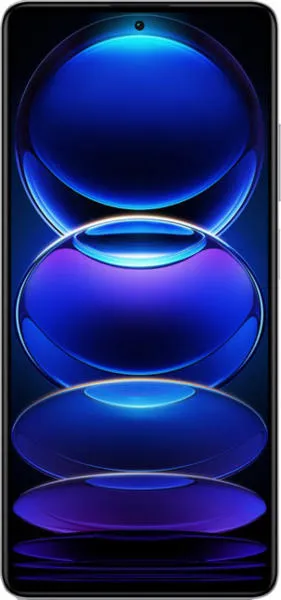

Xiaomi Redmi Note 12 Pro+ vs. Realme C53: A Detailed Comparison
Let's dive deep into a comparative analysis of the Xiaomi Redmi Note 12 Pro+ and the Realme C53, dissecting their specifications and uncovering what they truly offer in real-world usage.
1. Specifications Breakdown
| Feature | Xiaomi Redmi Note 12 Pro+ | Realme C53 | Real-World Implications |
|---|---|---|---|
| Design | |||
| Dimensions (mm) | 162.9 x 76 x 8.9 | 167.3 x 76.7 x 7.5 | Pro+ is slightly more compact; C53 is thinner and lighter. |
| Weight (g) | 208.4 | 182 | C53 is noticeably lighter for comfortable one-handed use. |
| Build Materials | Glass front/back, plastic frame | Plastic | Pro+ feels more premium; C53 prioritizes lightness. |
| Display | |||
| Type | AMOLED | IPS LCD | Pro+ offers deeper blacks, vibrant colors, and better contrast. |
| Size | 6.67" | 6.74" | Negligible size difference in practical usage. |
| Resolution | 1080 x 2400 | 1080 x 2400 | Both offer sharp visuals; C53 ppi is lower, less noticeable difference in sharpness |
| Refresh Rate | 120Hz | 90Hz | Pro+ provides smoother scrolling and animations. |
| Performance | |||
| Chipset | Dimensity 1080 (6nm) | Unisoc Tiger T612 (12nm) | Pro+ significantly faster and more power-efficient. |
| CPU | Octa-core (2x2.6 GHz A78 & 6x2.0 GHz A55) | Octa-core (2x1.8 GHz A75 & 6x1.8 GHz A55) | Pro+ handles demanding tasks and multitasking with ease. |
| GPU | Mali-G68 MC4 | Mali-G57 | Pro+ offers a smoother gaming and graphics-intensive experience. |
| RAM | 8GB/12GB | 6GB/8GB | Pro+ provides more headroom for multitasking. |
| Camera | |||
| Main Camera | 200MP | 50MP | Pro+ boasts higher resolution; real-world image quality depends on factors beyond resolution |
| Video Recording | 4K@30fps, up to 960fps slow-mo | 1080p@30fps | Pro+ offers superior video recording capabilities. |
| Battery Life | |||
| Capacity | 5000mAh | 5000mAh | Similar battery capacity; Pro+'s efficiency may result in longer usage. |
| Charging | Fast charging (120W) | 33W | Pro+ charges significantly faster. |
| Other | |||
| NFC | Yes | No | Pro+ enables contactless payments and data transfer. |
| OS | Android 12 (up to 14) | Android 13 | Pro+ has a confirmed upgrade path to newer Android versions. |
2. Key Insights
- Performance: The Redmi Note 12 Pro+ is a clear winner in terms of performance, thanks to its powerful Dimensity 1080 chipset. This translates to a noticeably smoother experience in everyday tasks, gaming, and demanding applications. The C53, with its Unisoc Tiger T612, is sufficient for basic tasks but will struggle with more intensive workloads.
- Display: The Pro+'s AMOLED display provides richer colors, deeper blacks, and superior contrast compared to the C53's IPS LCD. The higher refresh rate on the Pro+ also ensures a more fluid user experience.
- Camera: While megapixel count isn't everything, the 200MP sensor on the Pro+ has the potential to capture more detail. More importantly, the Pro+ offers significantly better video recording capabilities, including 4K resolution and high frame rate slow-motion. However, real-world image quality depends heavily on software processing, which requires further testing.
- Charging: The Pro+'s 120W fast charging dramatically reduces charging times, a major convenience for busy users.
3. User Profiles and Recommendations
- Redmi Note 12 Pro+: Ideal for users who prioritize performance, a vibrant display, advanced camera features, and fast charging. Gamers, content creators, and power users will appreciate the Pro+'s capabilities.
- Realme C53: Suited for budget-conscious users who primarily use their phones for basic tasks like calling, messaging, social media browsing, and light photography. The C53 offers excellent value for its price, but compromises on performance and features.
4. Buying Decision Framework
- What is your budget? The C53 is significantly more affordable.
- What are your primary phone usage patterns? For demanding tasks, choose the Pro+. For basic usage, the C53 suffices.
- Which features are most important to you? Prioritize performance, display, and camera? The Pro+ excels. Primarily need long battery life and affordability? The C53 is a good option.
My Choice: I would choose the Redmi Note 12 Pro+. While the Realme C53 offers excellent value for its price, I prioritize a smooth and responsive user experience, which the Pro+'s superior processor and AMOLED display deliver. The advanced camera features and incredibly fast charging are also compelling. While the price difference is notable, the long-term benefits of the Pro+ in terms of performance and longevity outweigh the initial cost for my usage patterns.
