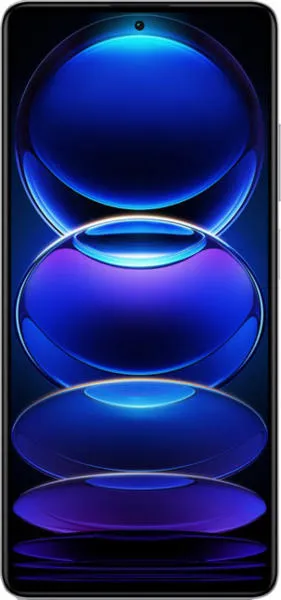
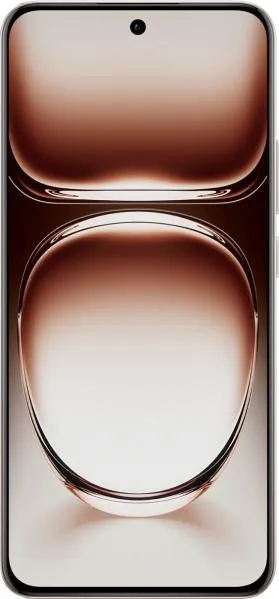
Xiaomi Redmi Note 12 Pro+ vs. Oppo Reno12: A Deep Dive
Let's dissect the Xiaomi Redmi Note 12 Pro+ and the Oppo Reno12, going beyond the spec sheet to understand what these phones offer in the real world.
1. Specifications Breakdown
| Feature | Xiaomi Redmi Note 12 Pro+ | Oppo Reno12 | Real-World Implications |
|---|---|---|---|
| Design | |||
| Dimensions (mm) | 162.9 x 76 x 8.9 | 161.4 x 74.1 x 7.6 | Reno12 is slightly smaller and noticeably thinner |
| Weight (g) | 208.4 | 177 | Reno12 is significantly lighter, more comfortable for extended use |
| Build Materials | Glass front/back, plastic frame | Glass front, plastic frame | Similar durability, premium feel |
| Display | |||
| Size (inches) | 6.67 | 6.7 | Virtually identical screen real estate |
| Resolution (px) | 1080 x 2400 | 1080 x 2412 | Negligible difference in sharpness |
| Panel Type | OLED | AMOLED | Both offer vibrant colors and deep blacks |
| Refresh Rate (Hz) | 120 | 120 | Smooth scrolling and animations on both |
| Peak Brightness (nits) | 900 | 1200 | Reno12 offers better visibility in direct sunlight |
| Performance | |||
| Chipset | Mediatek Dimensity 1080 (6nm) | Mediatek Dimensity 7300 (4nm) | Reno12's 4nm chip likely offers better performance and power efficiency |
| CPU | Octa-core (2x2.6 GHz A78 & 6x2.0 GHz A55) | Octa-core (4x2.5 GHz A78 & 4x2.0 GHz A55) | Reno 12 has more powerful cores, potentially leading to better multi-tasking |
| RAM (GB) | 8/12 | 12/16 | Reno12 configurations offer more RAM for smoother multitasking |
| Storage (GB) | 128/256 | 256/512 | Reno 12 offers larger storage |
| Camera | |||
| Main Camera (MP) | 200 | 50 | Redmi Note 12 Pro+ boasts higher megapixel count, but sensor quality and processing are crucial |
| Sensor Size | 1/1.4" | 1/2" | Redmi Note 12 Pro+'s larger sensor potentially captures more light |
| Video | 4K@30fps | 4K@30fps with OIS & EIS | Reno12 benefits from optical and electronic image stabilization for smoother video |
| Battery | |||
| Capacity (mAh) | 5000 | 5000 | Similar battery capacity |
2. Key Insights
Performance: The Reno12, with its newer 4nm Dimensity 7300 chipset and higher RAM configurations, likely edges out the Redmi Note 12 Pro+ in processing power and efficiency. This translates to smoother multitasking, faster app loading, and potentially better gaming performance. The Redmi's Dimensity 1080 is no slouch, but the 7300 represents a generational leap.
Display: Both phones offer excellent AMOLED displays with 120Hz refresh rates. However, the Reno12's significantly higher peak brightness gives it a clear advantage in outdoor visibility.
Camera: While the Redmi Note 12 Pro+ boasts a massive 200MP main sensor, megapixels don't tell the whole story. The Reno12's 50MP Sony sensor, coupled with OIS and EIS, could deliver superior image quality, especially in low light and video recording. We need real-world camera comparisons to determine a clear winner.
Design and Build: The Reno12 is thinner and lighter, making it more comfortable for one-handed use. Both phones utilize a combination of glass and plastic, offering a similar level of premium feel and durability.
3. User Profiles and Recommendations
Redmi Note 12 Pro+: Best for users seeking a budget-friendly phone with a high-resolution camera sensor and fast charging. It's a solid option for social media enthusiasts who prioritize megapixels.
Oppo Reno12: Ideal for users who value overall performance, a brighter display, smoother video recording, and a more comfortable in-hand feel. It's a better choice for gamers, power users, and those who frequently use their phones outdoors.
4. Buying Decision Framework
- Is top-tier performance a priority? If yes, the Reno12's Dimensity 7300 and larger RAM options make it the clear winner.
- Do you frequently use your phone in bright sunlight? The Reno12's superior peak brightness is a significant advantage in this scenario.
- Is video recording more important than still photos? The Reno12's OIS and EIS give it an edge in video stability.
My Choice: The Oppo Reno12
While the Redmi Note 12 Pro+'s 200MP camera is intriguing, I prioritize overall performance, a comfortable design, and a bright, readable display. The Reno12's Dimensity 7300 chip, combined with its lighter weight, slimmer profile, and superior peak brightness, makes it the more compelling device for my needs. The improved video stabilization is also a significant factor. While we'd need real-world camera comparisons to be definitive, I'm willing to bet on the Reno12's overall more refined user experience. The slightly higher price would be worth it for the noticeable jump in daily usability.
